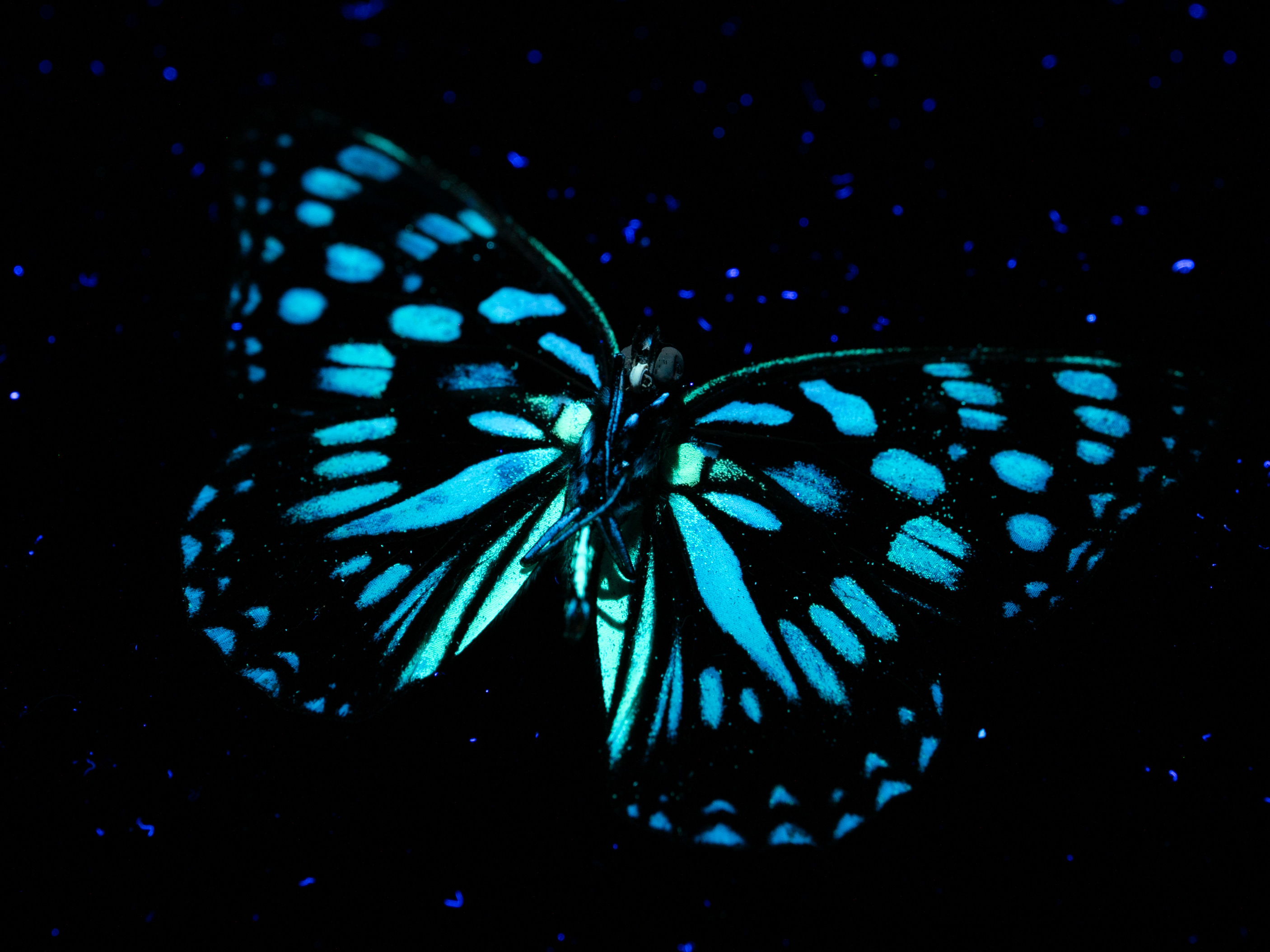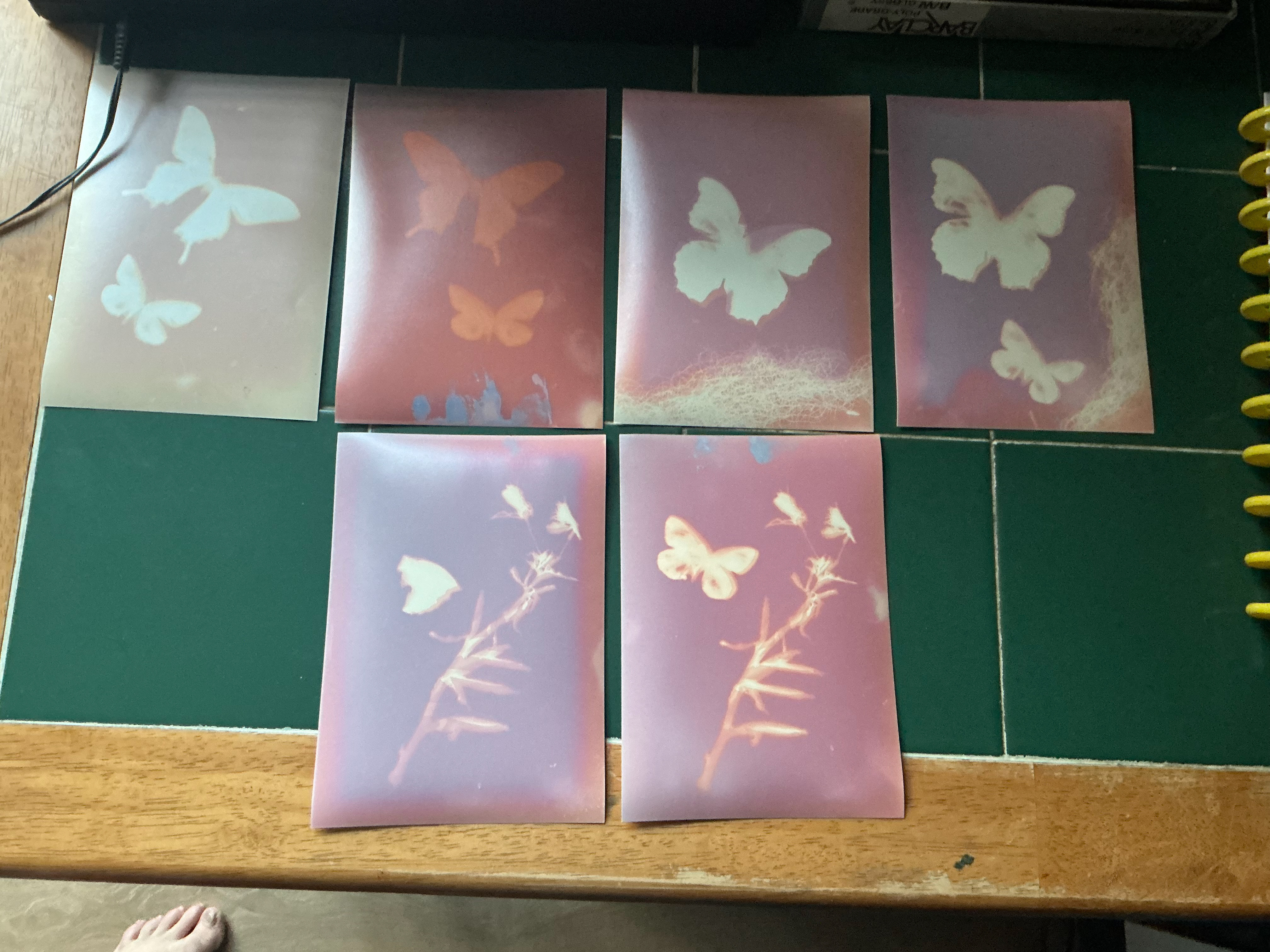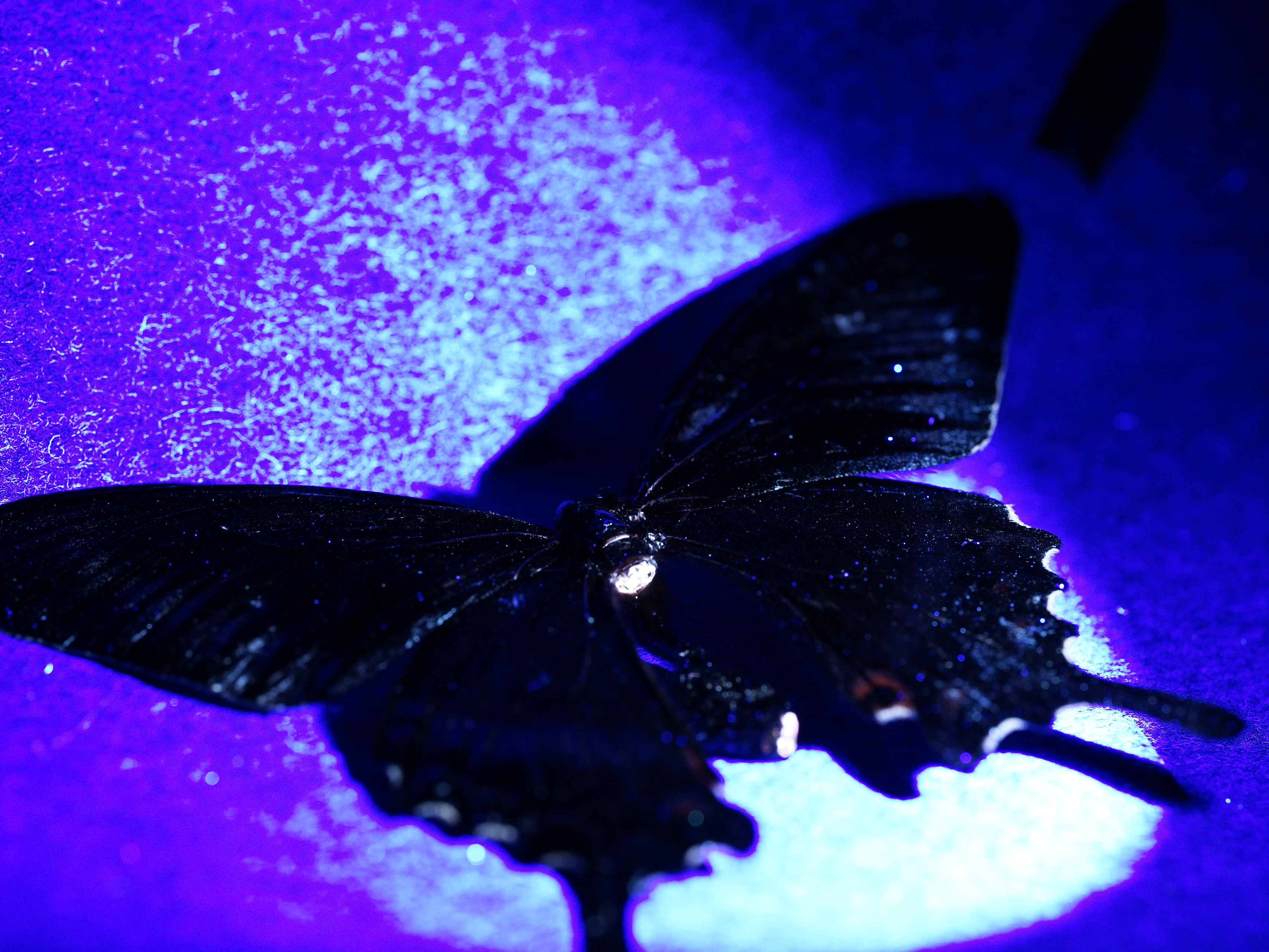
experimenting with a new simple microscopic digital camera given to me as a gift, with my collection of specimen butterflies. It is strange but and delicate working with butterfly wings I use paintbrushes to touch the wings as they are so delicate all the scales can be rubbed off with a fingerprint. It was interesting to handle the butterflies with their delicacy and beauty and feel even though they are not with us anymore they are still very much there to look at and to for me now study. I feel like they are giving so much, I hope I can represent them to the best I can over the next few years.
Closing them into a clear plastic frame and then holding the digital microscopic camera above them manually gave me these shots. I have several specimens UK and tropical and it was interesting to see how they made patterns which again we don’t see normally from hearts to crosses to circles zigzag spots eyes all appear in the patterns on the butterfly wings. Another spectrum another dimension of images that I can explore to see where there takes me on my photographic journey with Butterflies.
Result’s
I really love the images even though they’re only four megapixels each, I’m hoping to get some larger ones as time goes on but the scales and colours and Hair are so fascinating how that looking at them? A fleeting glimpse of colour and shape when you look into the detail of the Makeup they are tiny individual elements creating one structure all emulating light frequencies and light is hitting it in certain ways for certain creatures humans see one thing bird see another.
They actually look out of this world! Gw
The patterns and images I have captured I feel gives an insight into the butterfly as we ‘humans’ have possibly (unless you have) has not been seen by us very often. Hoping to continue this series and looking at getting access to a microscopic camera to get some high-quality images. I feel that these would look good larger and as a series so me exhibit in the future.
Learning how the butterfly wings are made of tiny scales was fascinating enough, but then it’s next level to be able to see them in so much detail, it makes their beauty and mystery even more compelling to me.
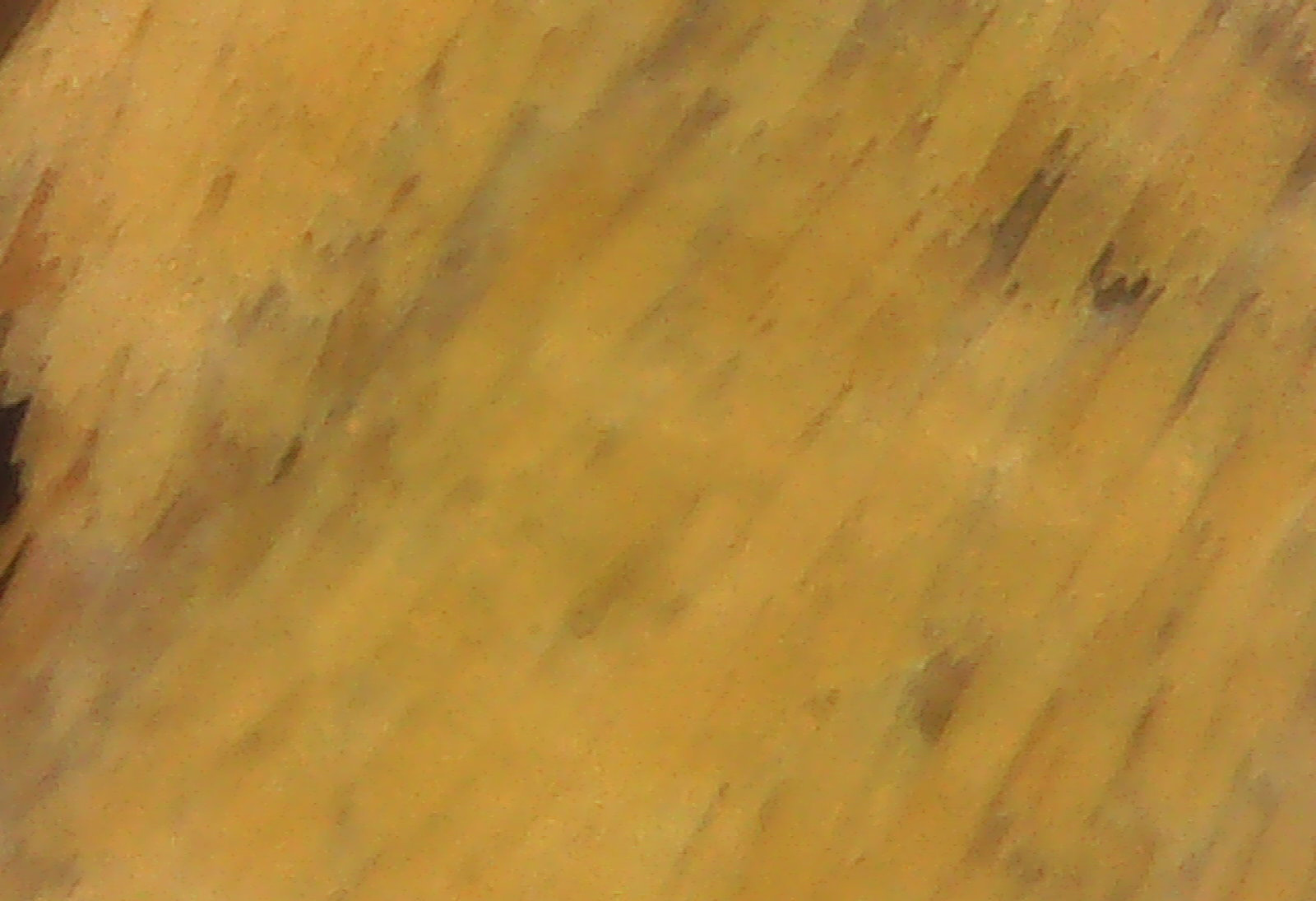
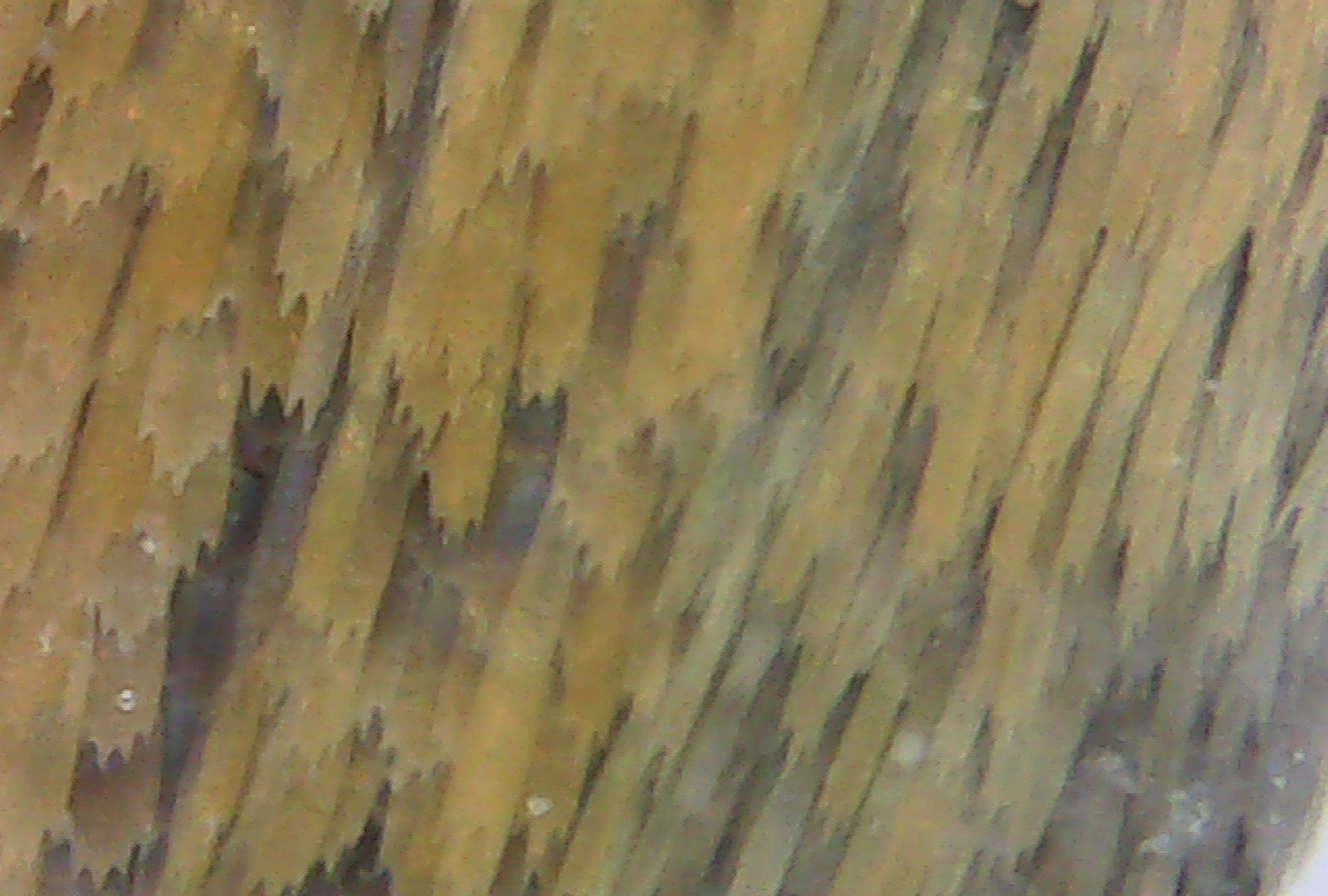
Macro butterfly wings Small Heath
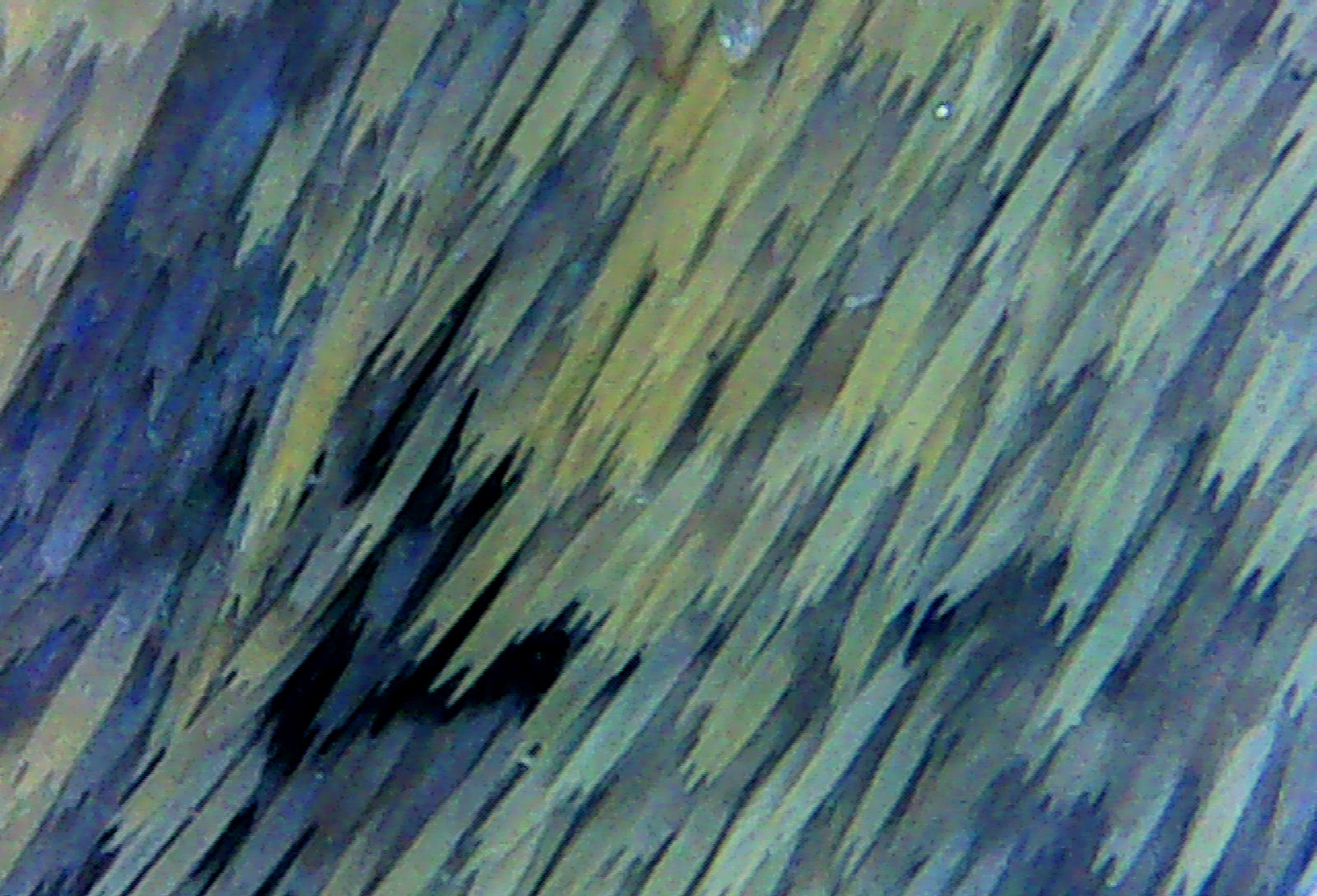
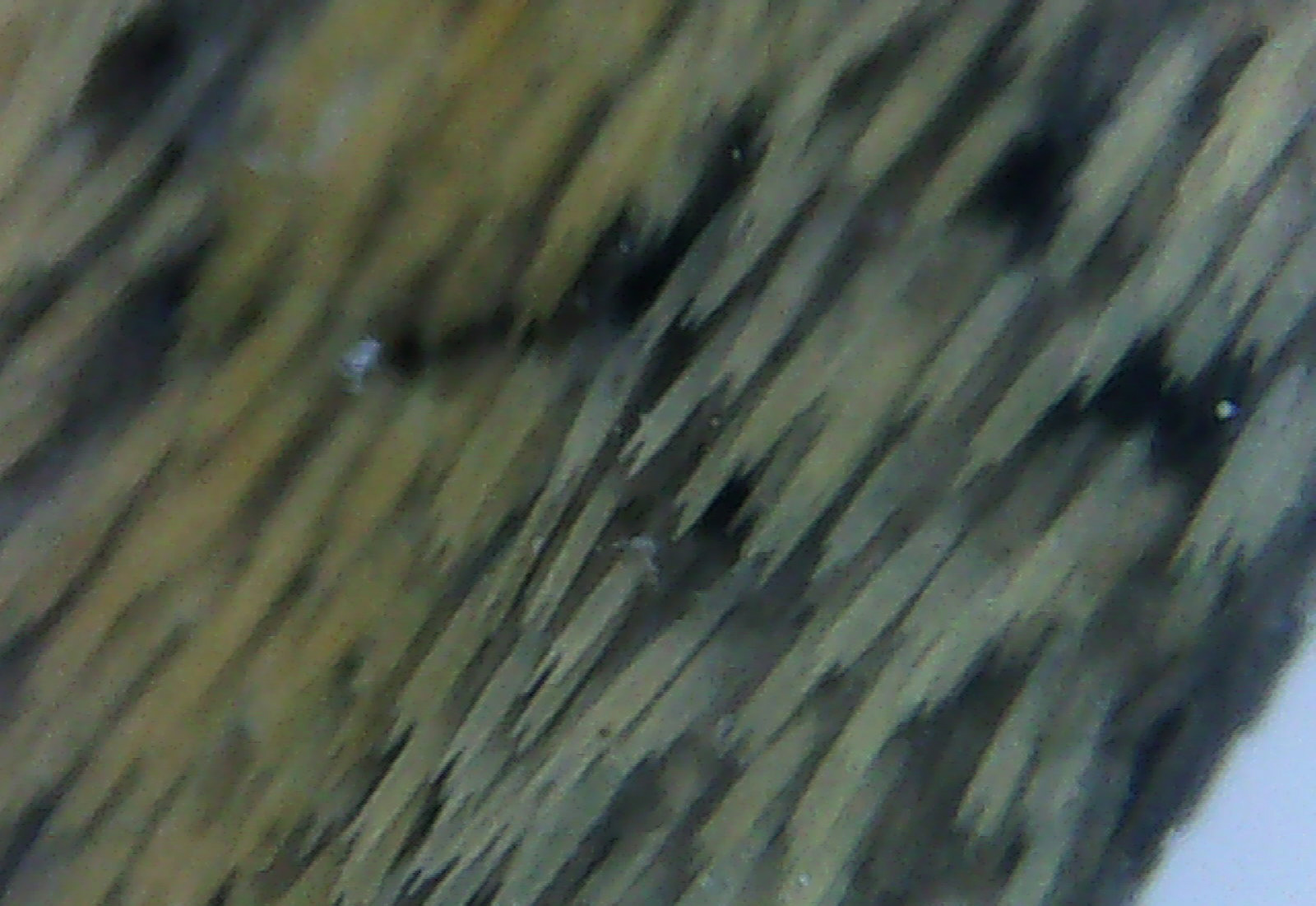
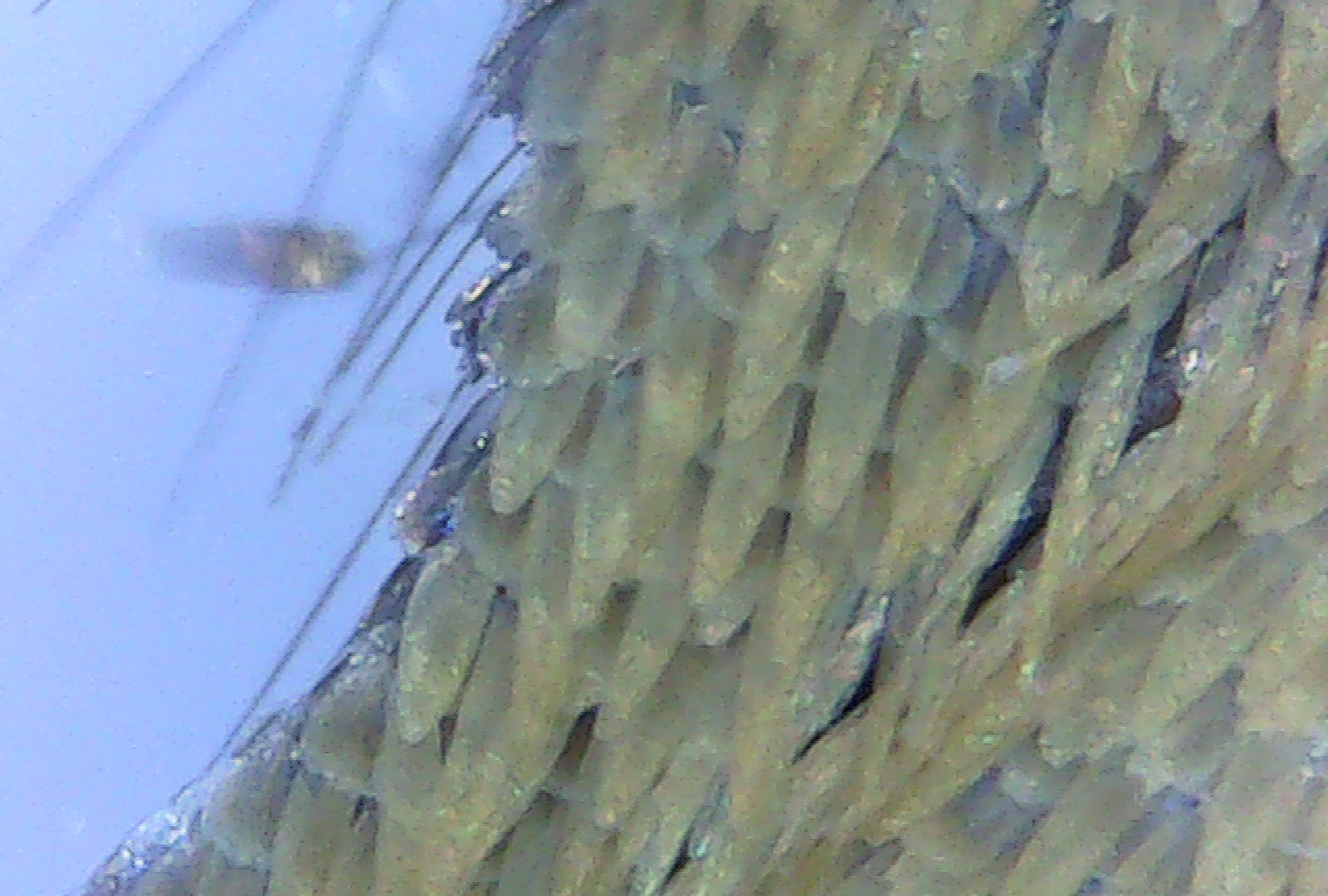
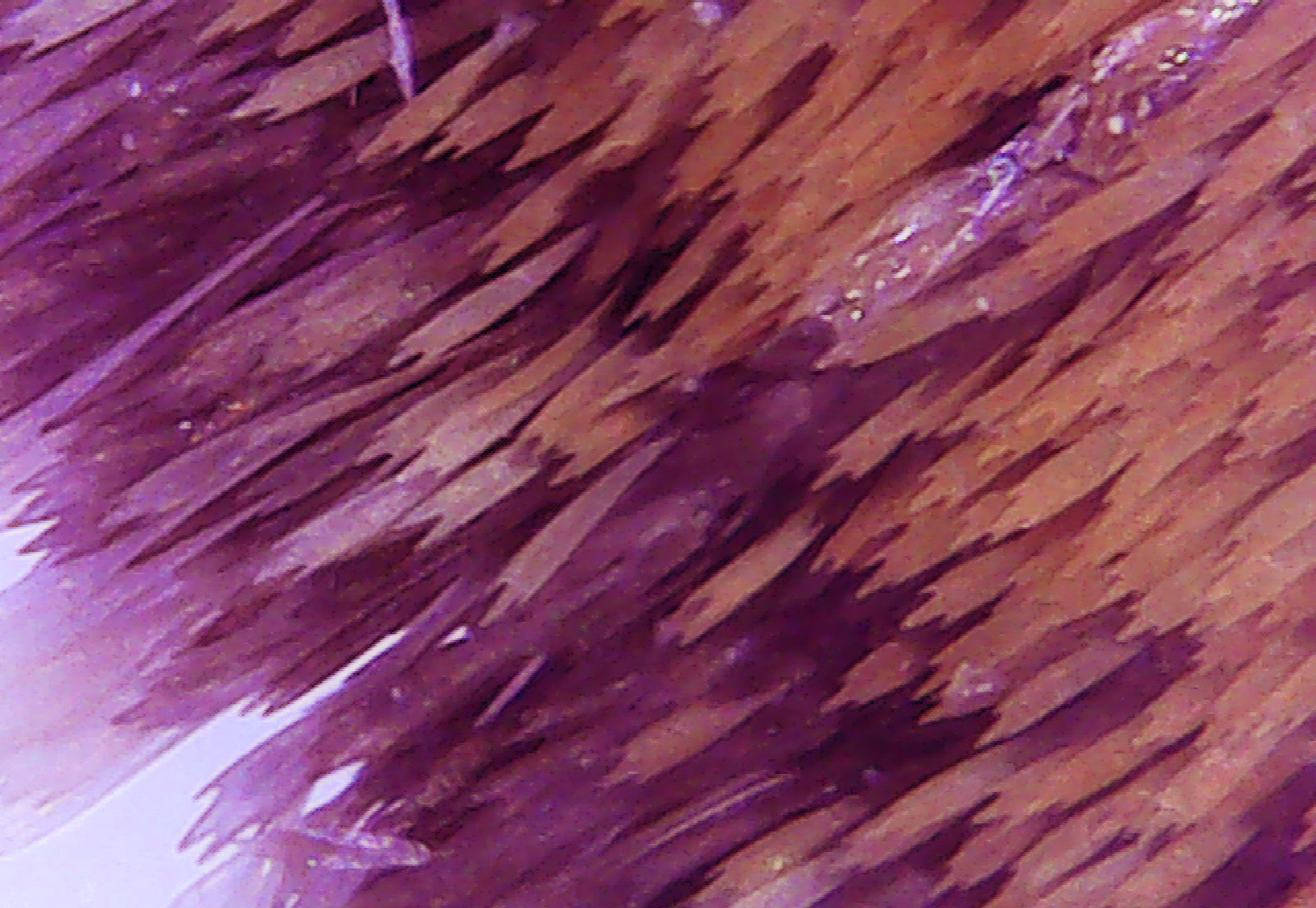
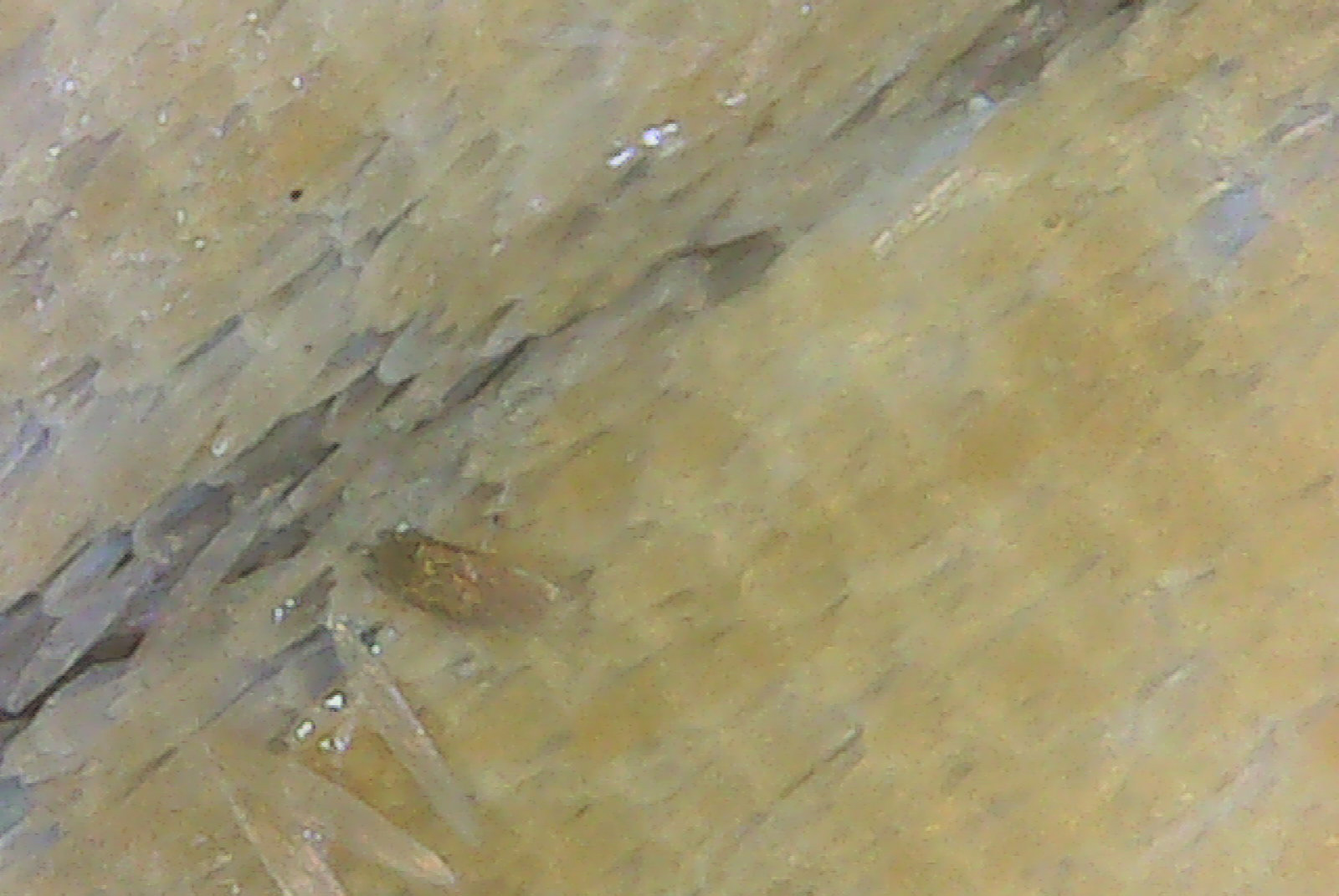
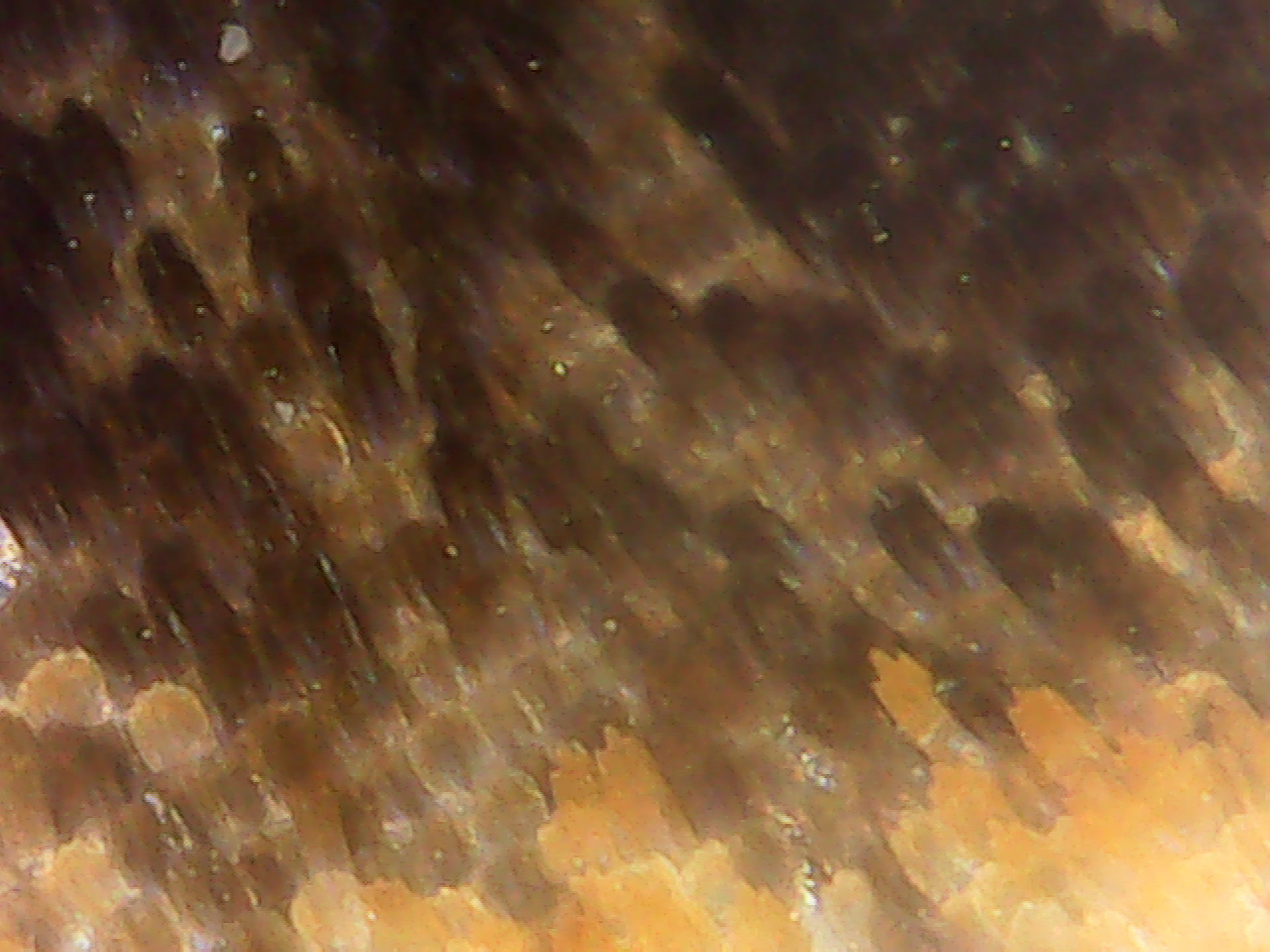
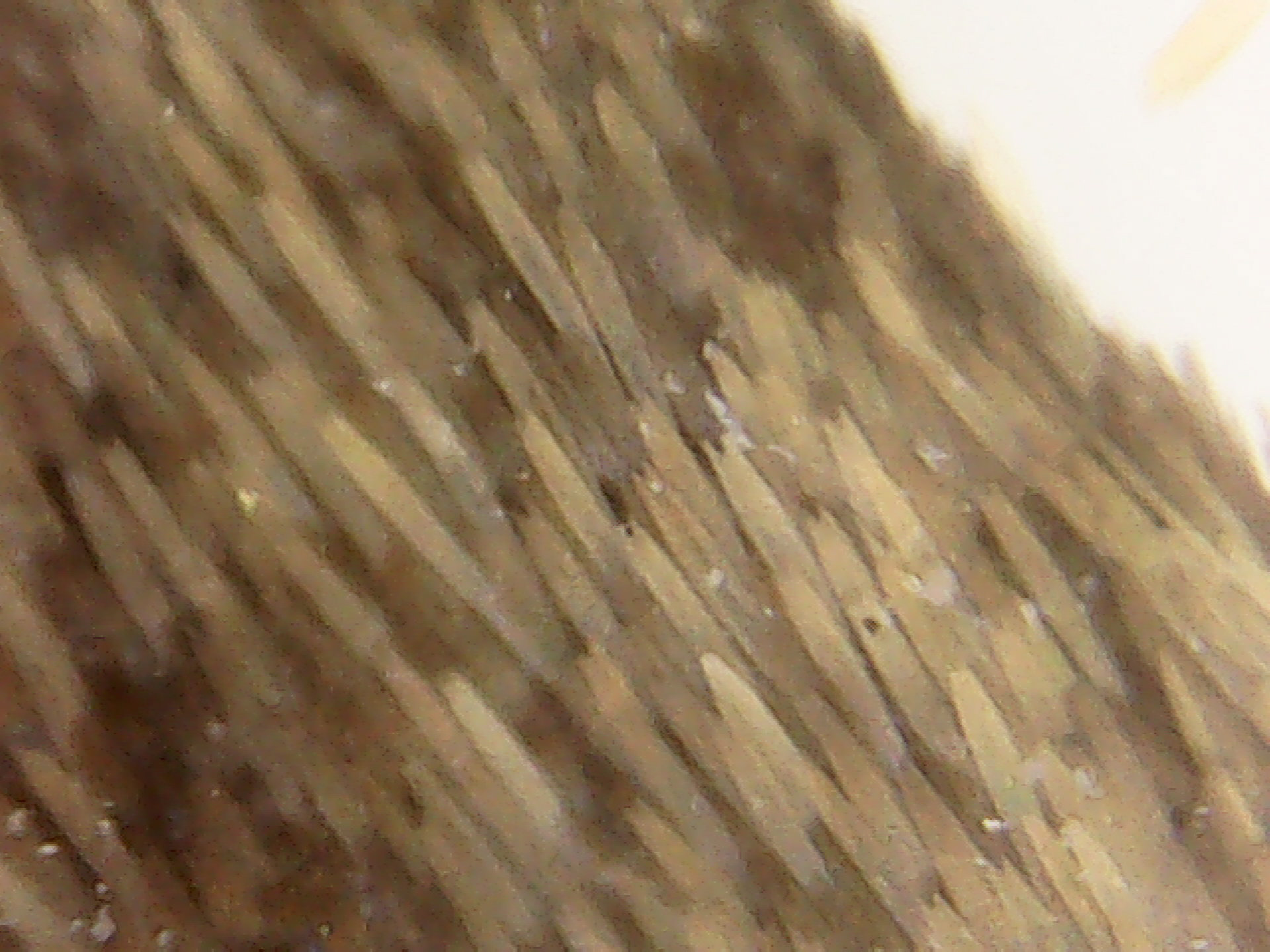
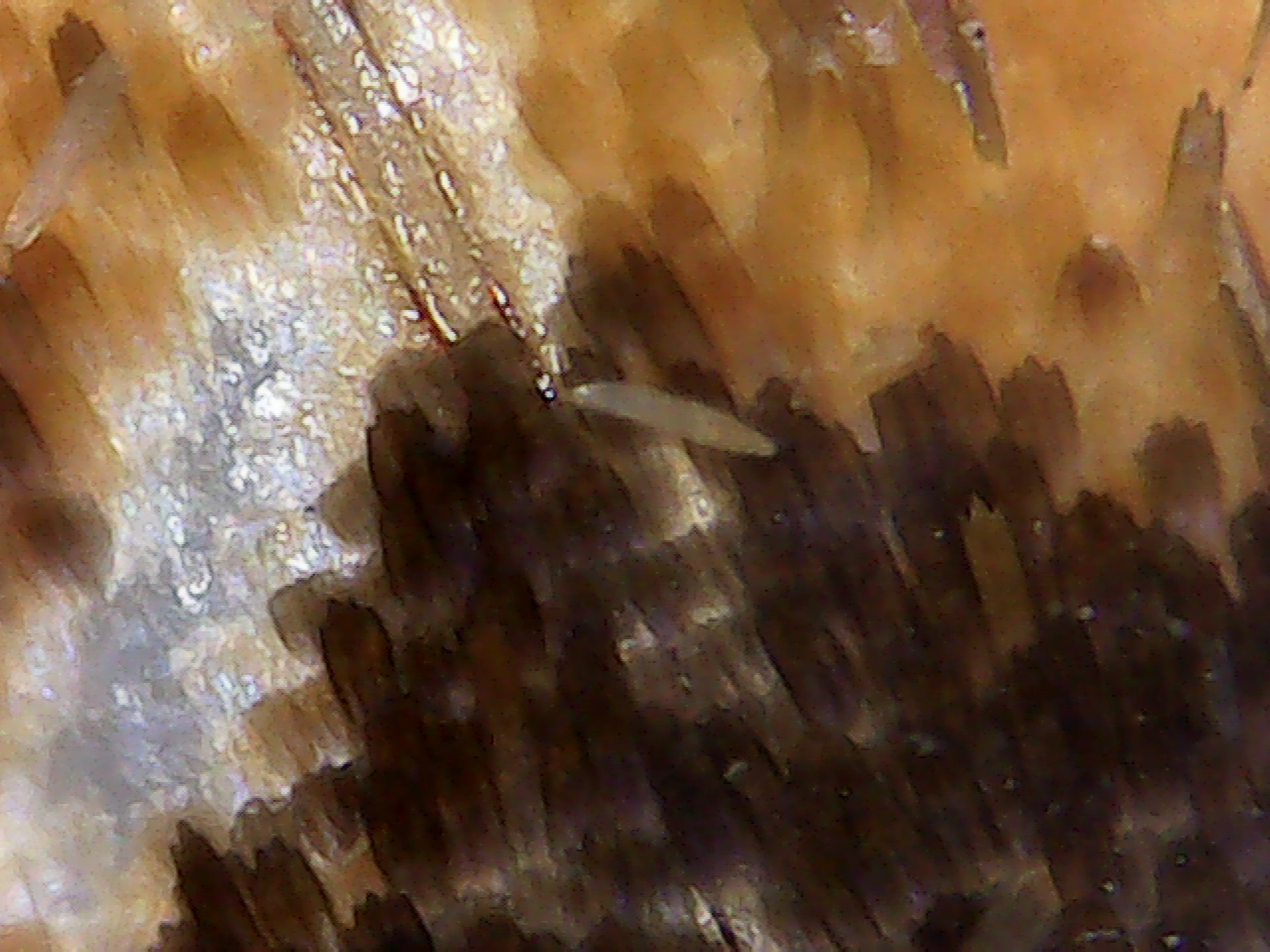
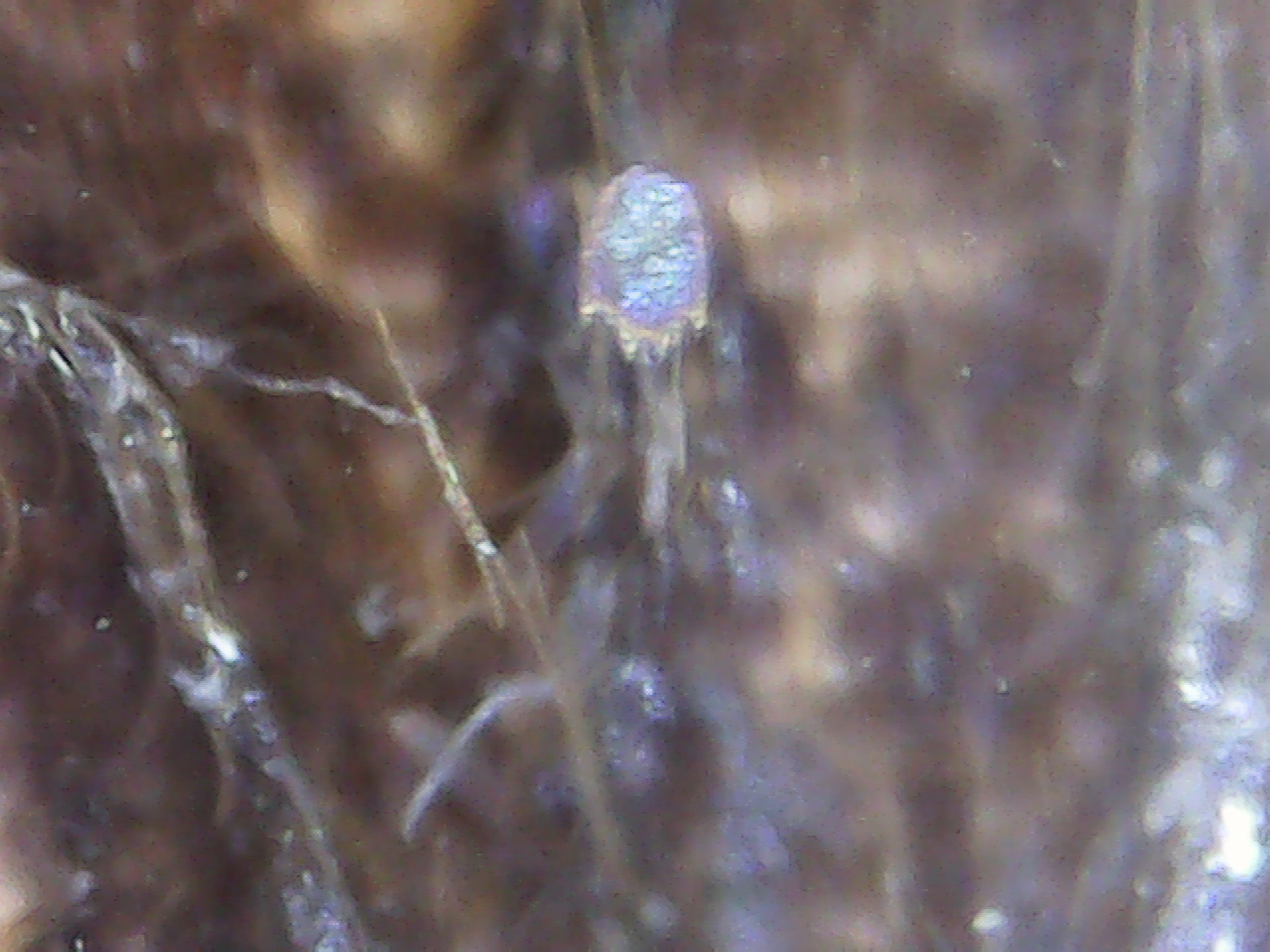
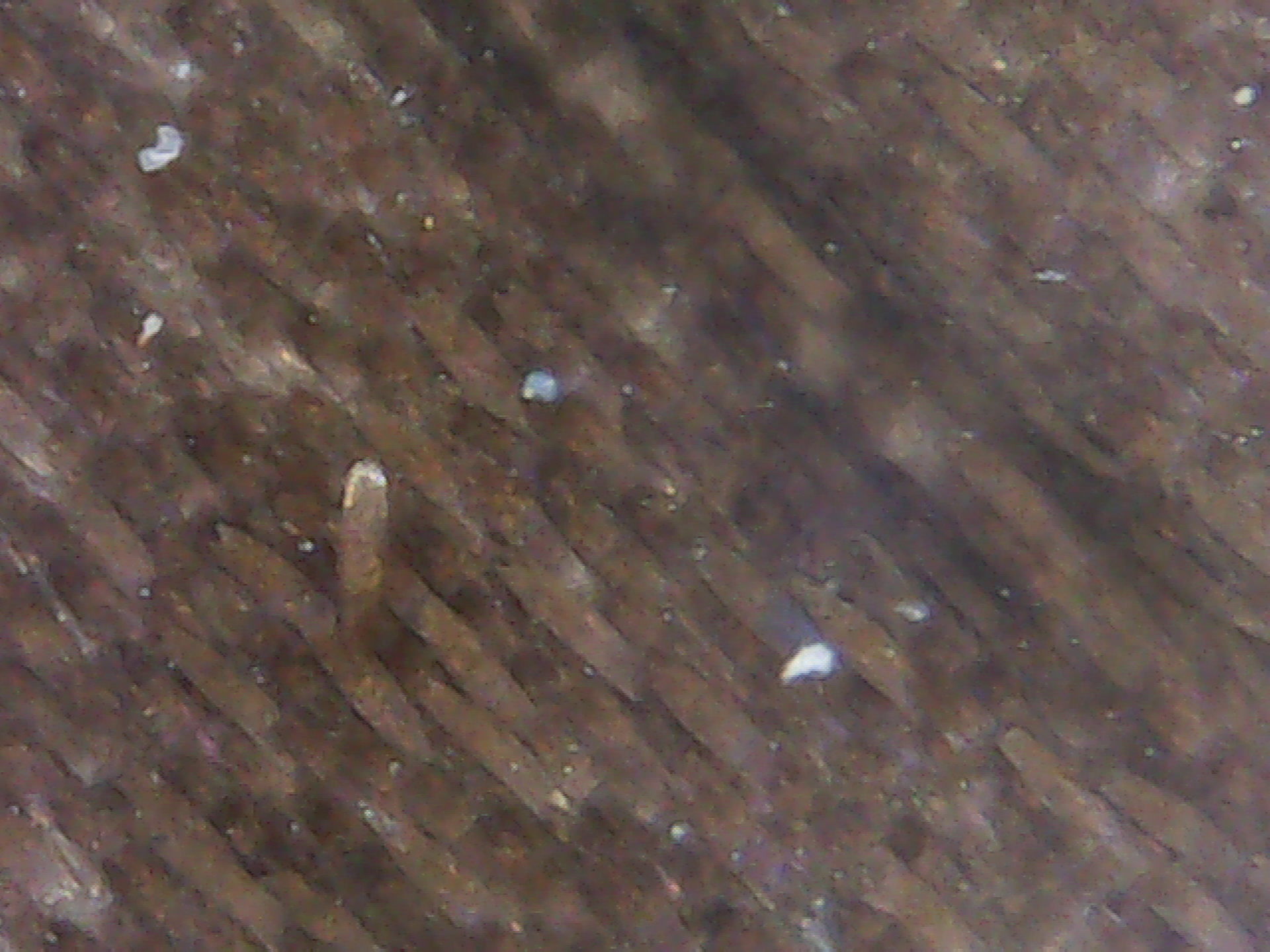
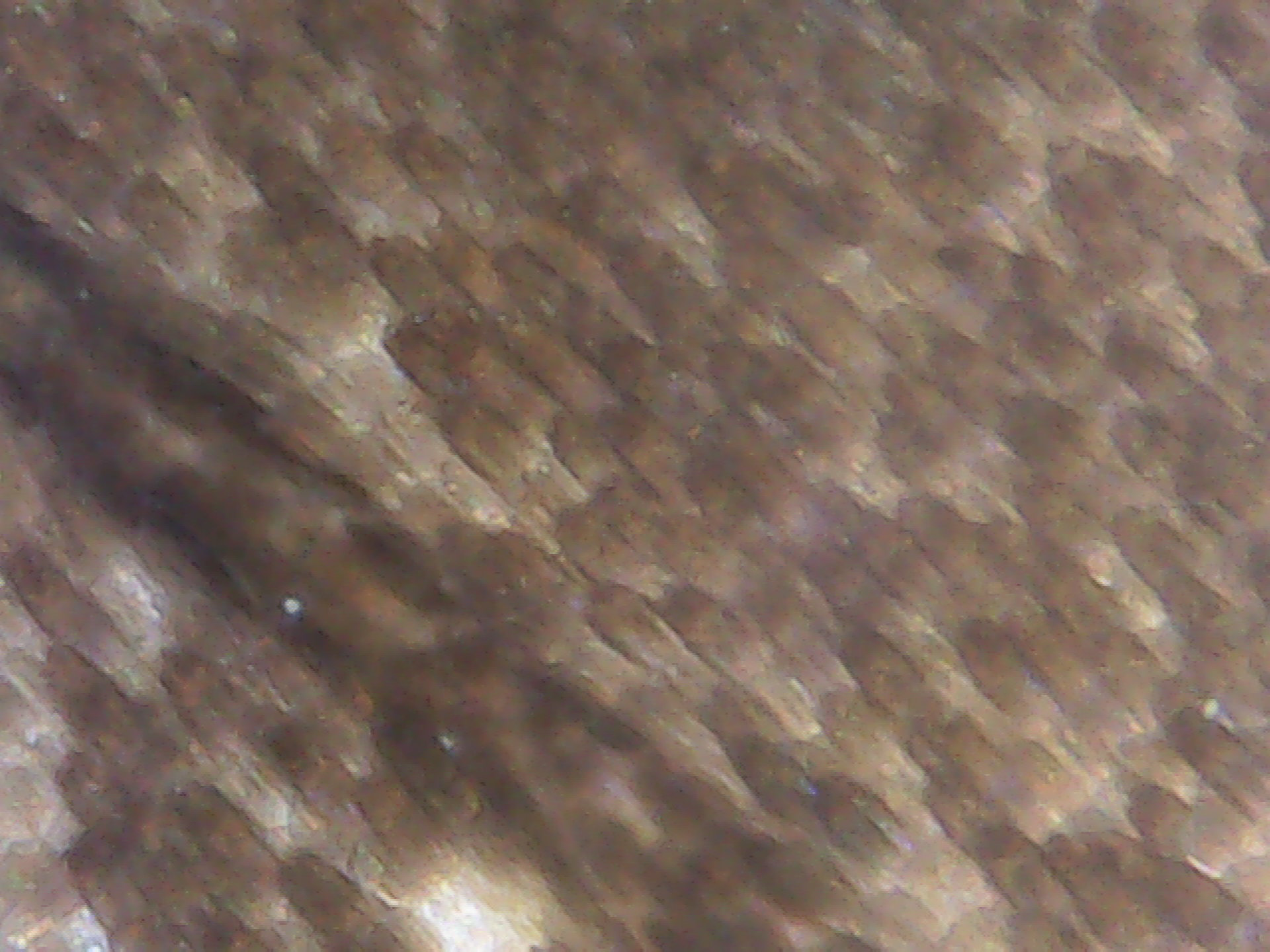
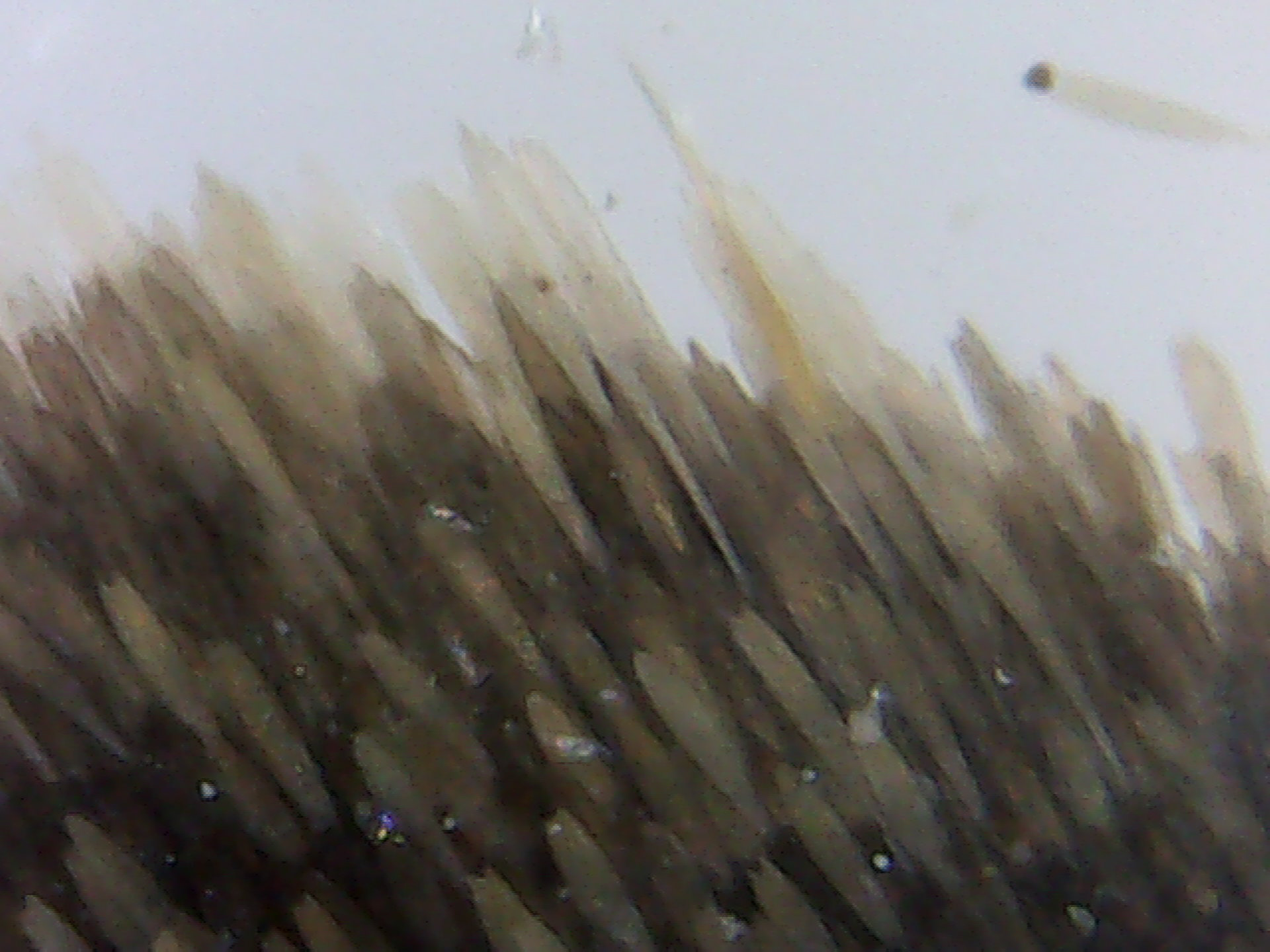
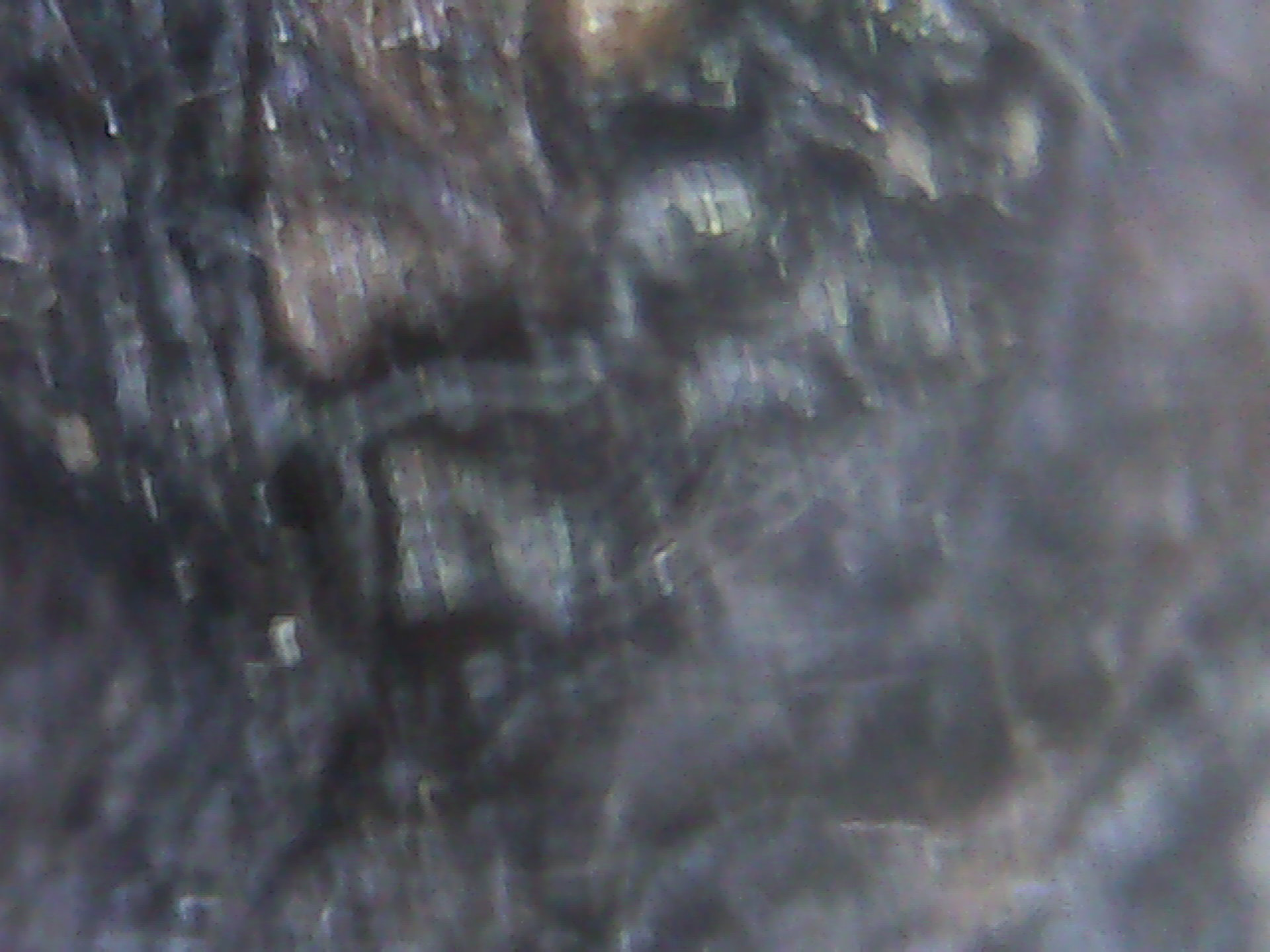
- Composition: The wings are made of transparent chitin, the same material found in insect exoskeletons.
- Scales: The “dust” that falls off a butterfly wing is actually thousands of microscopic, scale-like modified hairs (setae) arranged like shingles on a roof.
- Pigmentary Colours: Natural pigments like melanin produce dark colours (black and brown) while other pigments create bright colours.
- Structural Colours: Many brilliant iridescent colours (especially blues and greens) aren’t caused by pigment. Instead, the nano-structure of the scales causes light to diffract and interfere, reflecting specific intense wavelengths.
- Light Manipulation: The scales have microscopic ridges and in some cases act like a maze, causing certain colours like blue to bounce back while others are absorbed.
- Function: Beyond aesthetics, these colours and patterns serve various purposes such as camouflage, warning predators and mating.
Reference: https://asknature.org/strategy/wing-scales-cause-light-to-diffract-and-interfere/
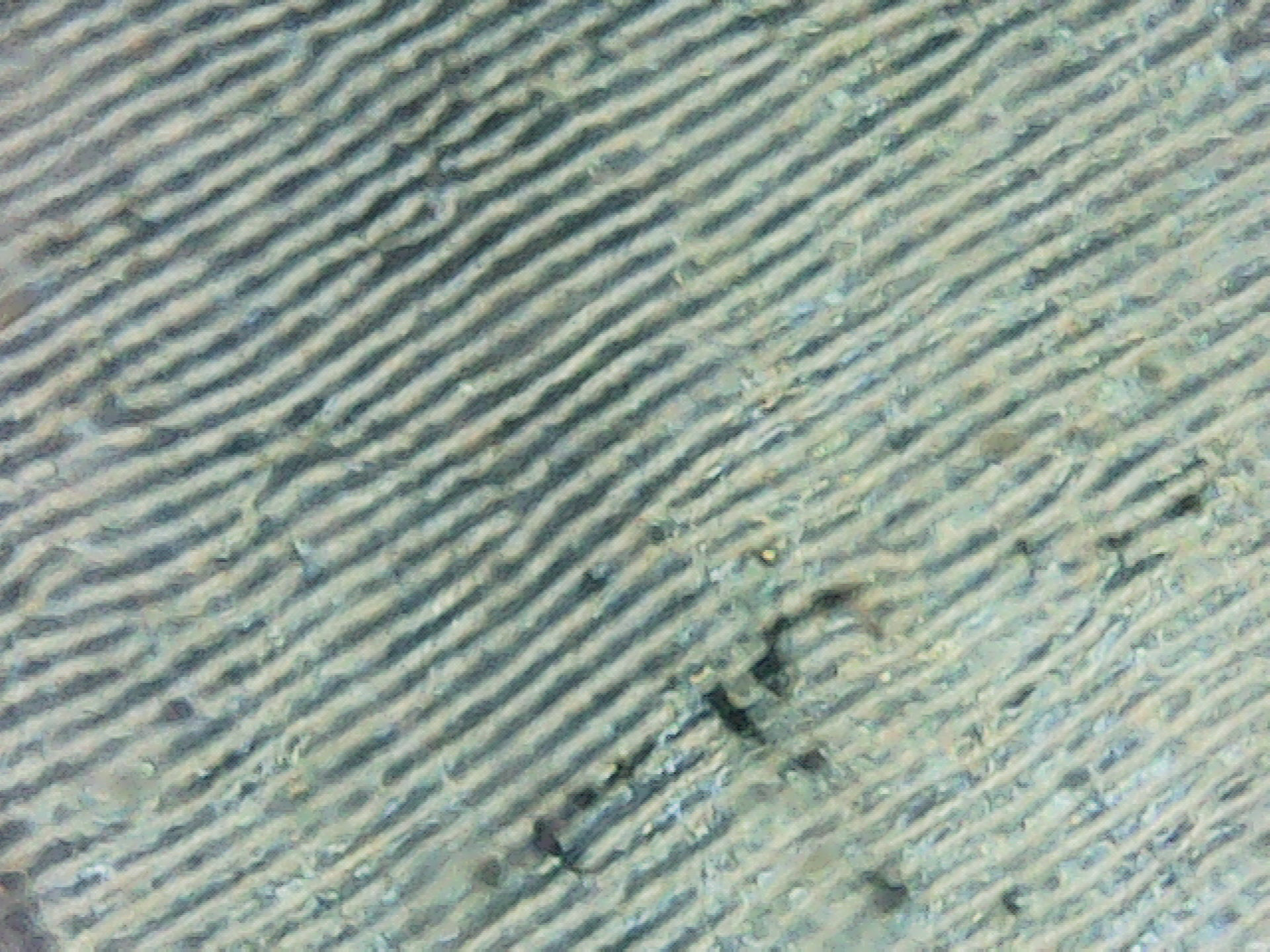
scales of butterfly wings
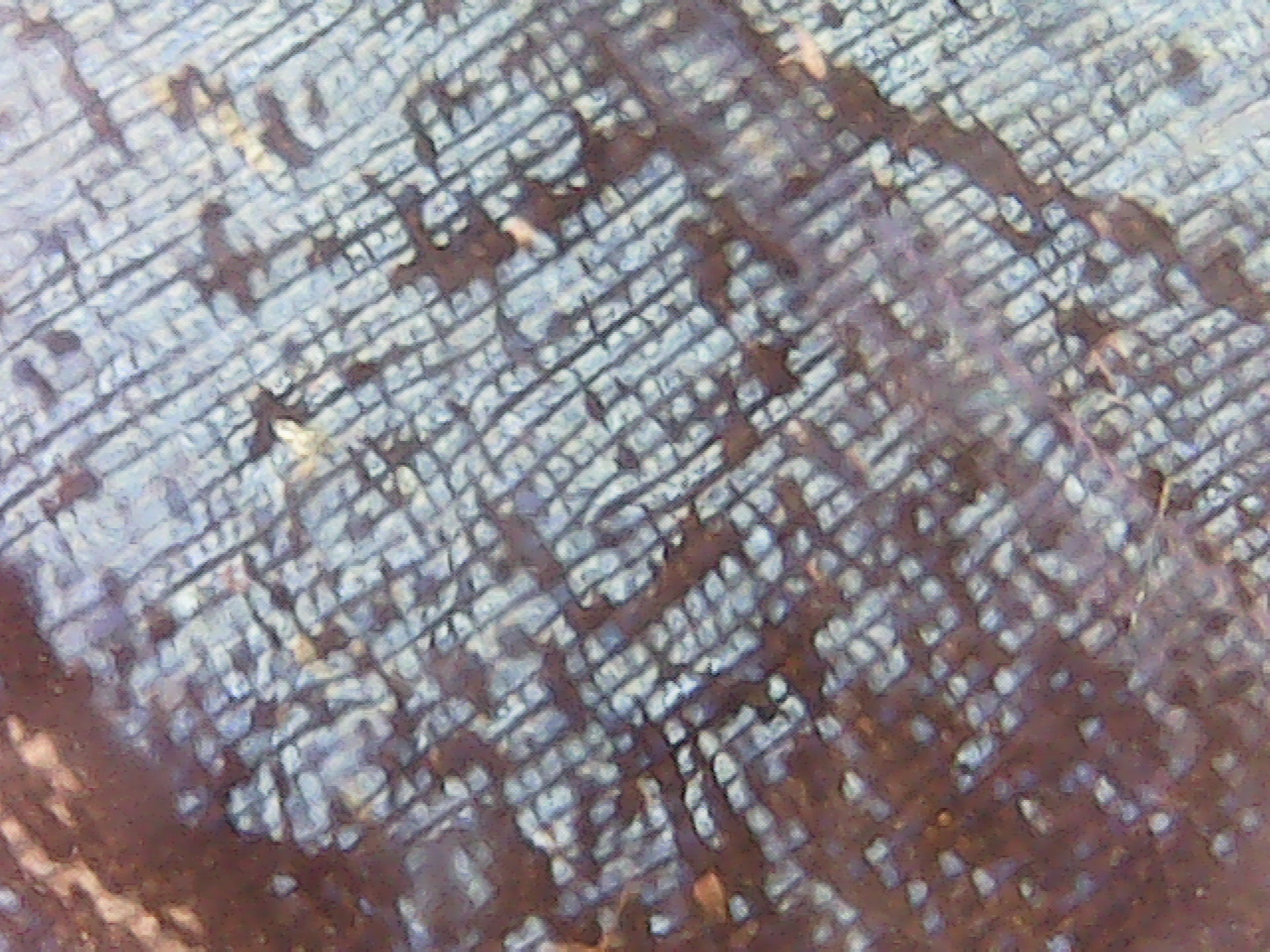
scales of butterfly wings Morpho Blue
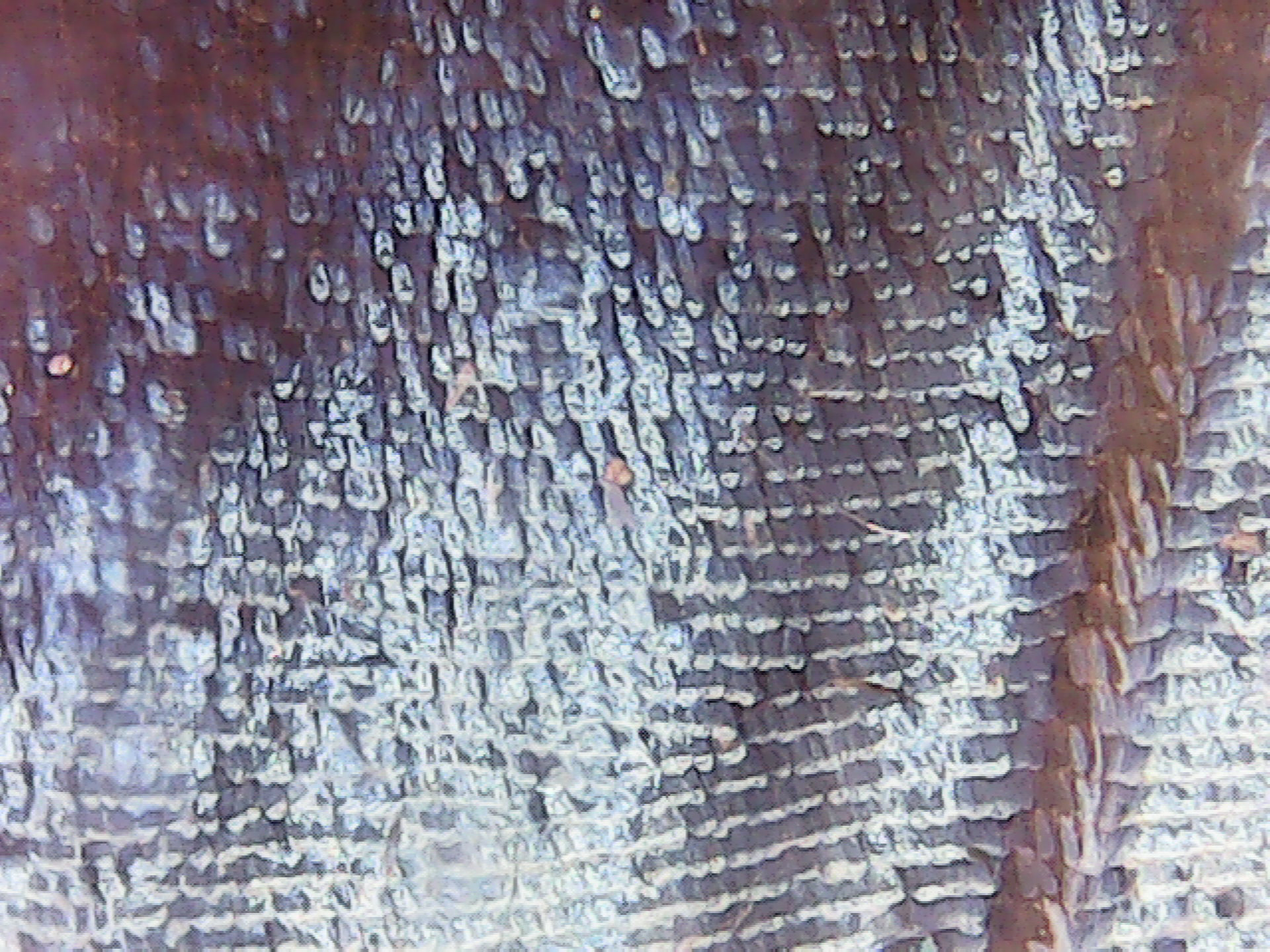
scales of butterfly wings Morpho Blue
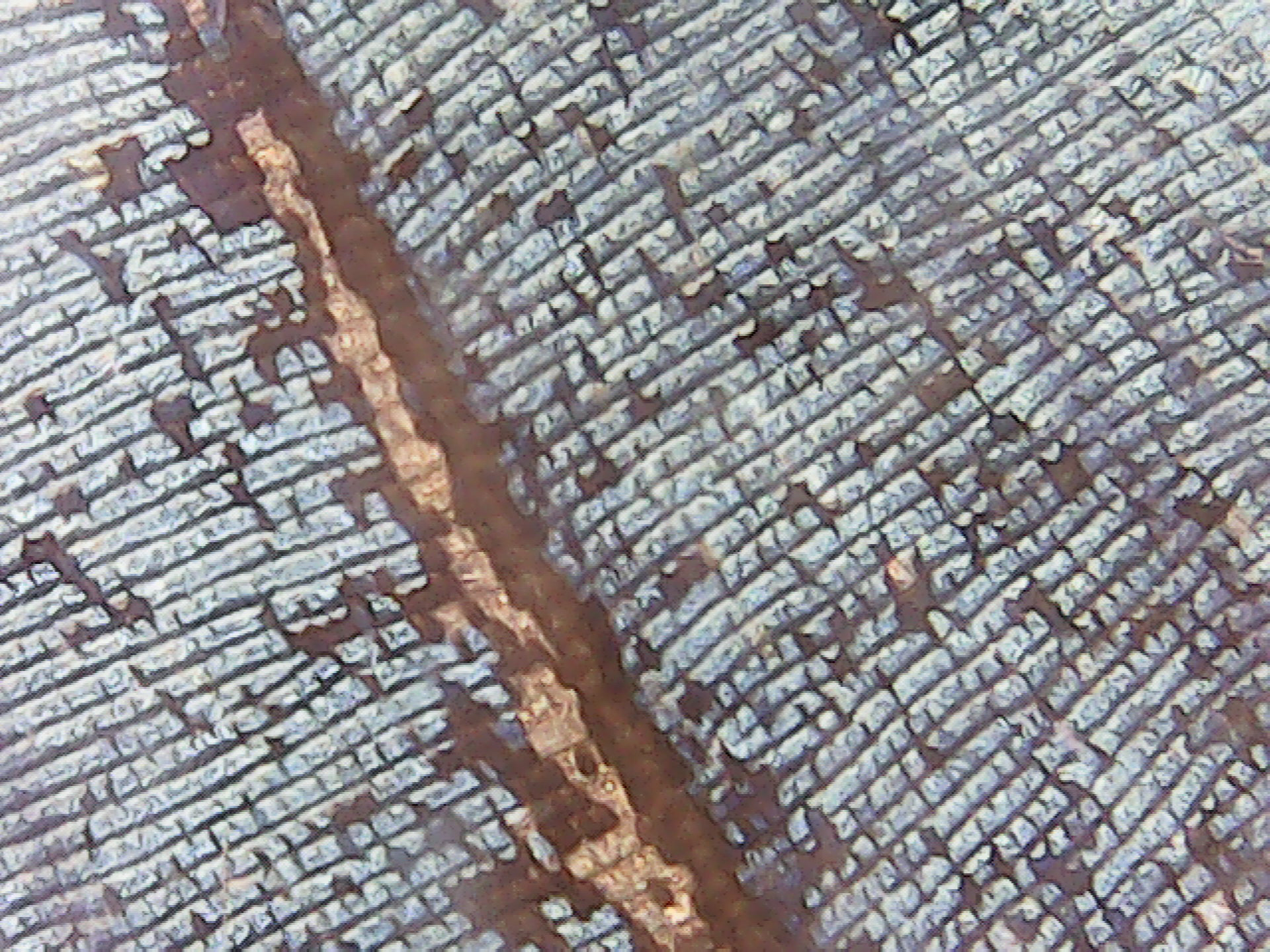
scales of butterfly wings Morpho Blue
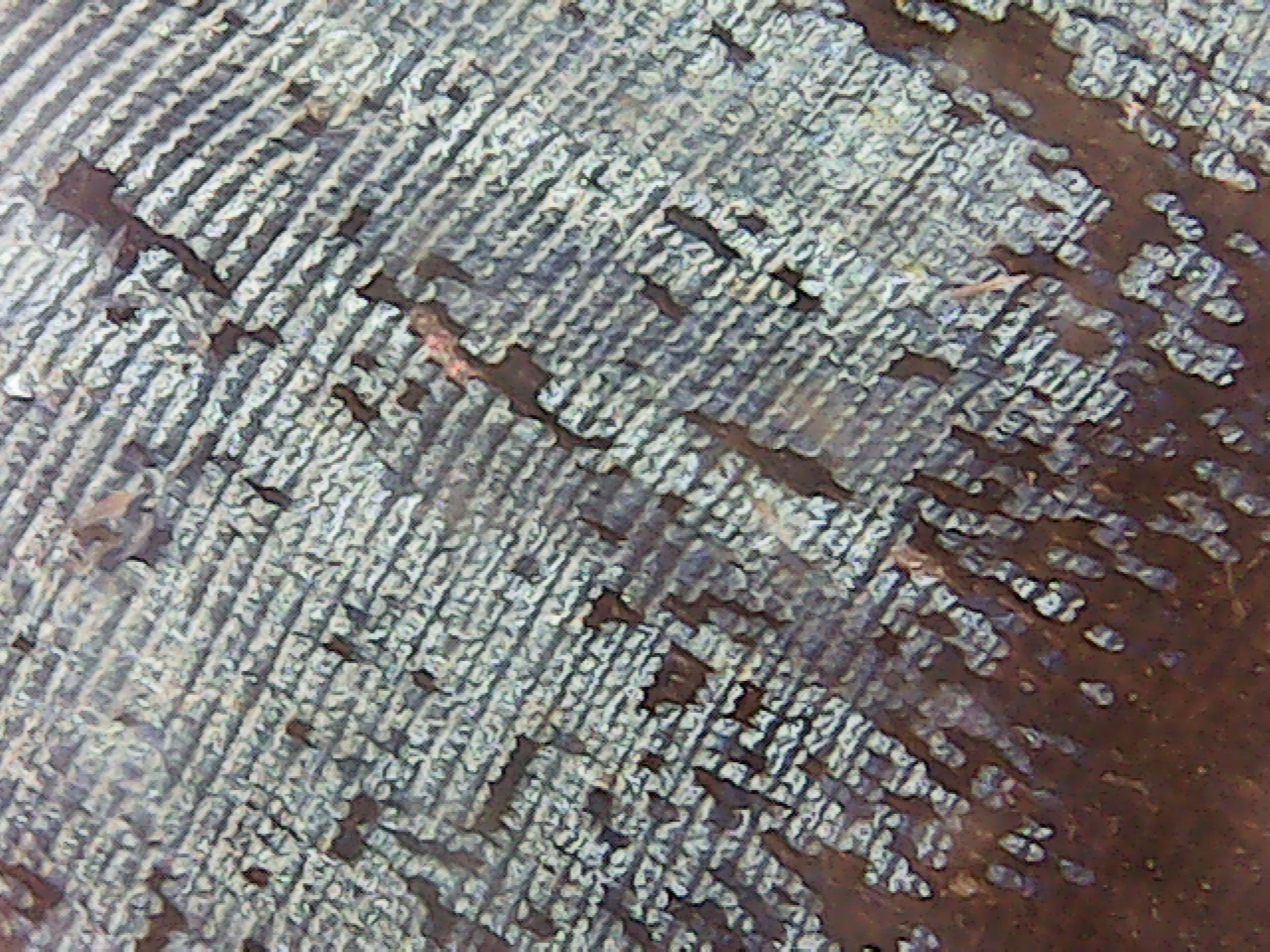
scales of butterfly wings Morpho Blue
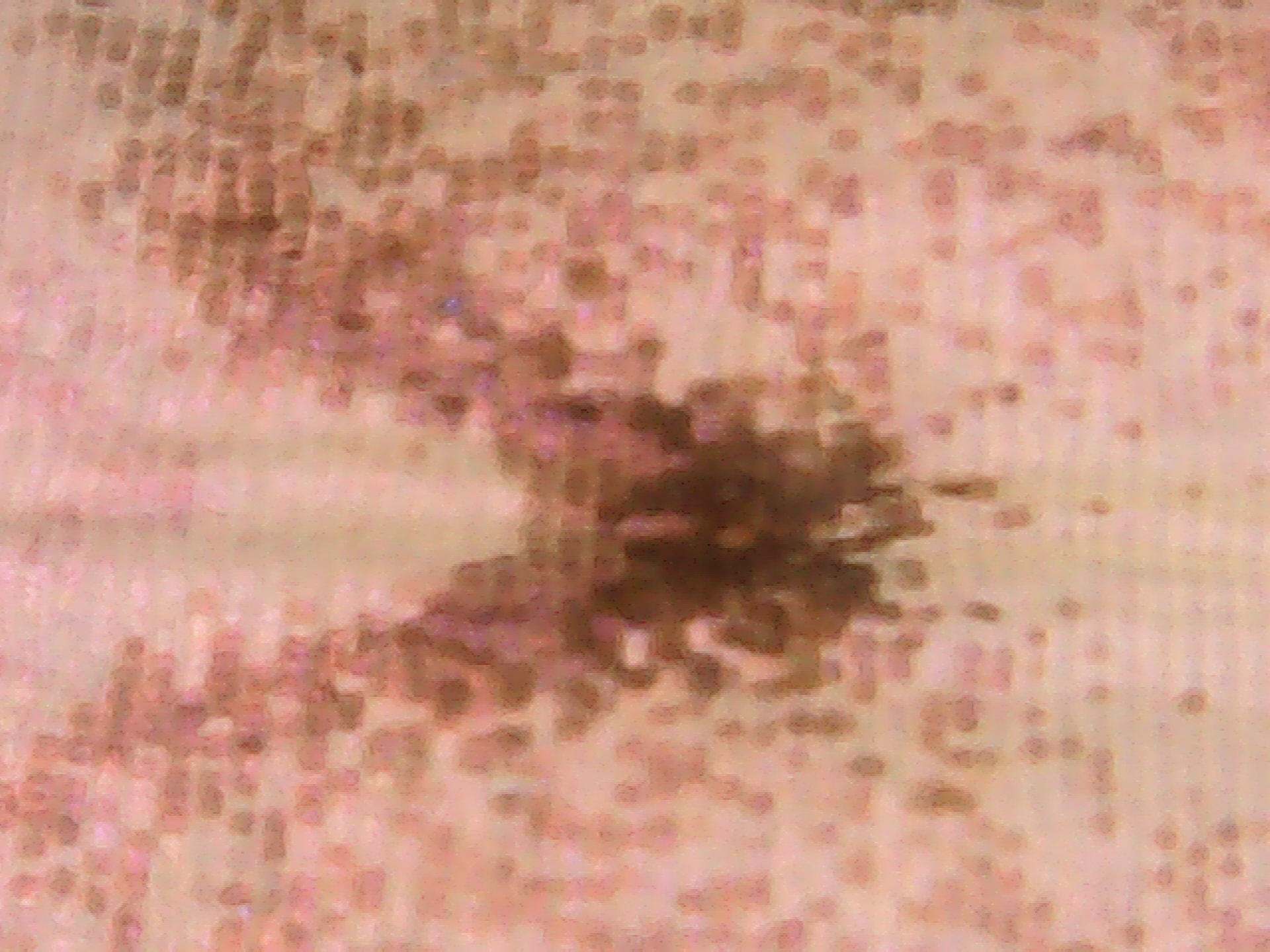
Mother of Perl Butterfly wing macro
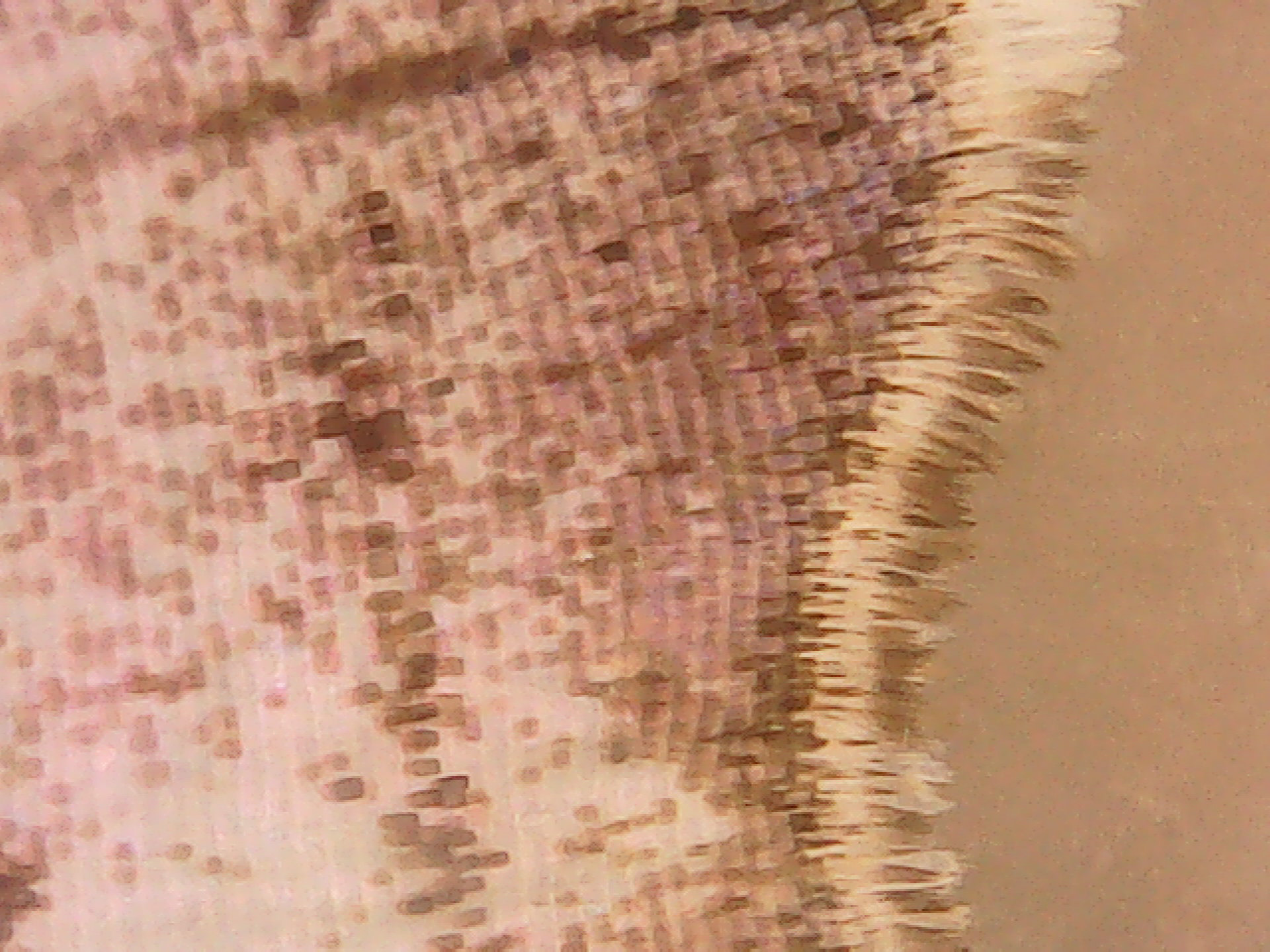
Mother of Perl Butterfly wing macro
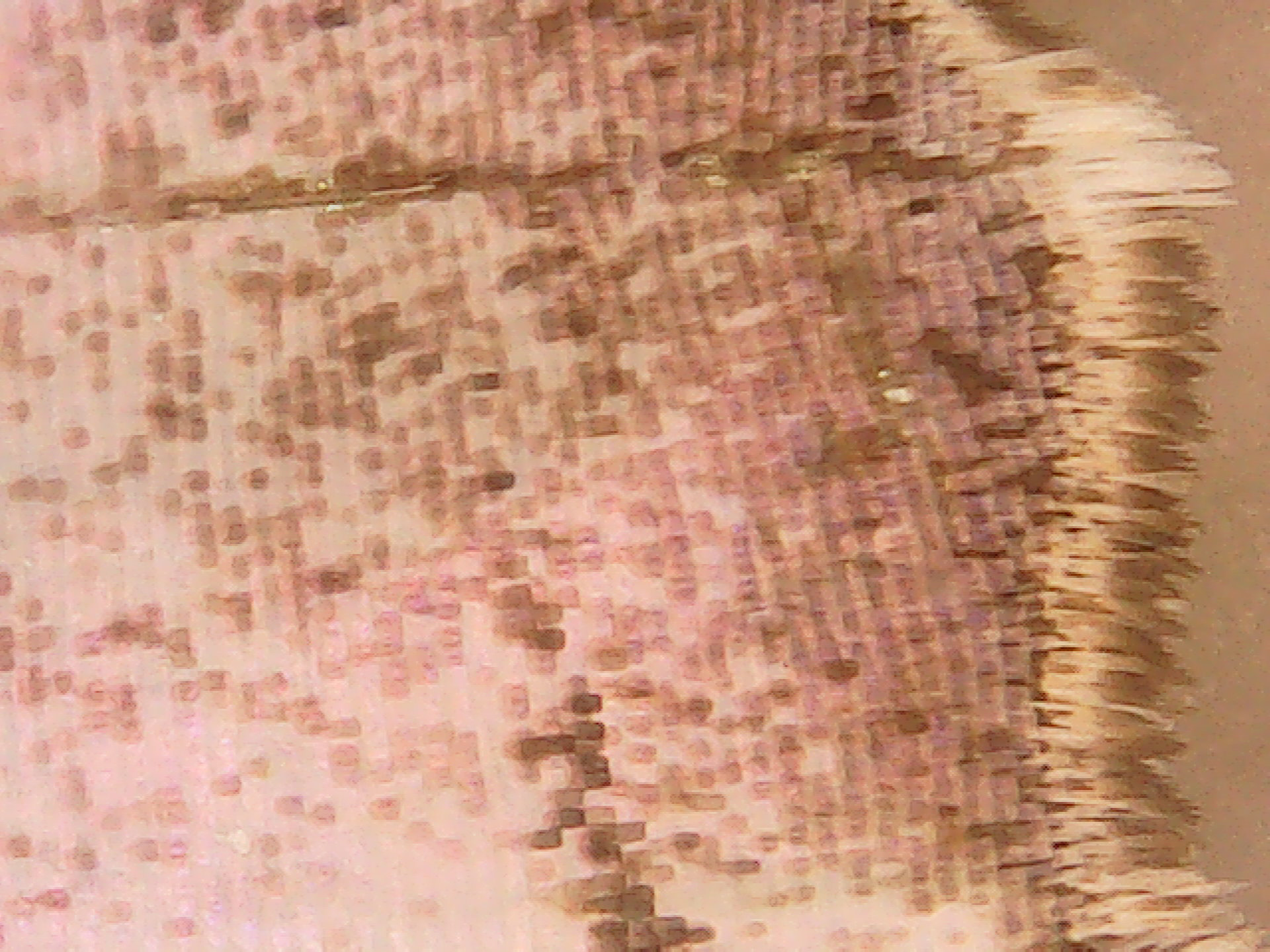
Mother of Perl Butterfly wing macro
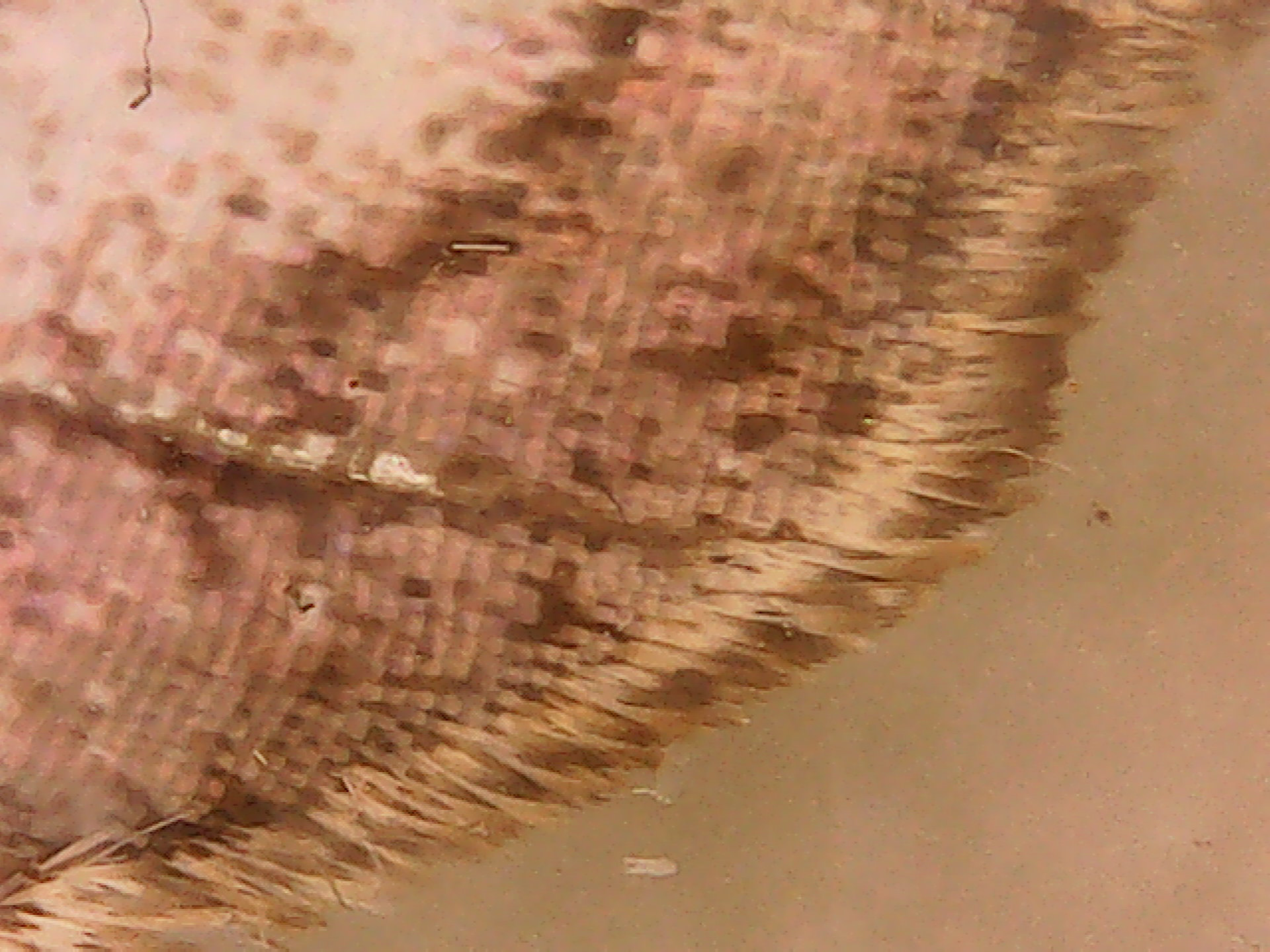
Mother of Perl Butterfly wing macro
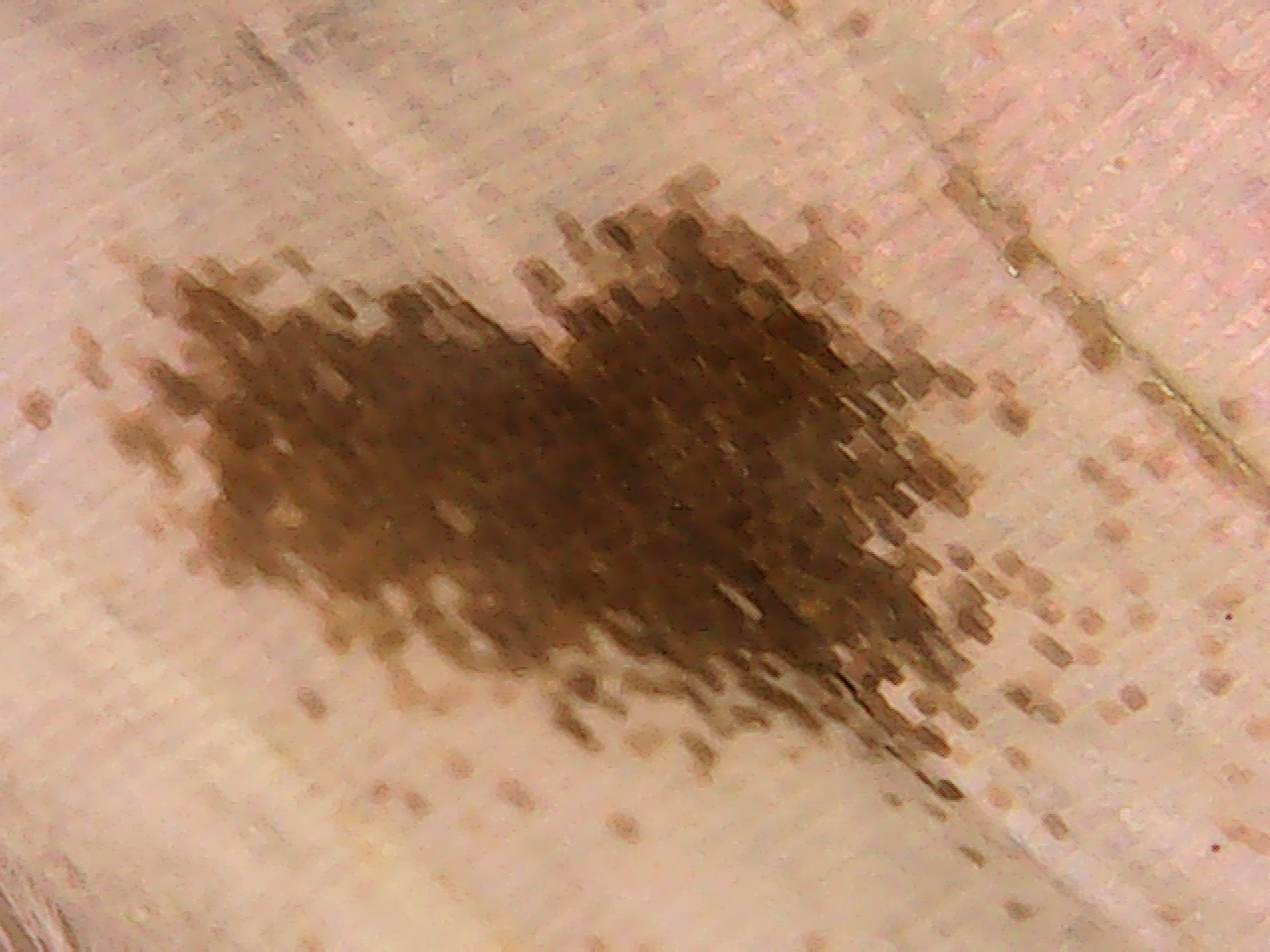
Mother of Perl Butterfly wing macro
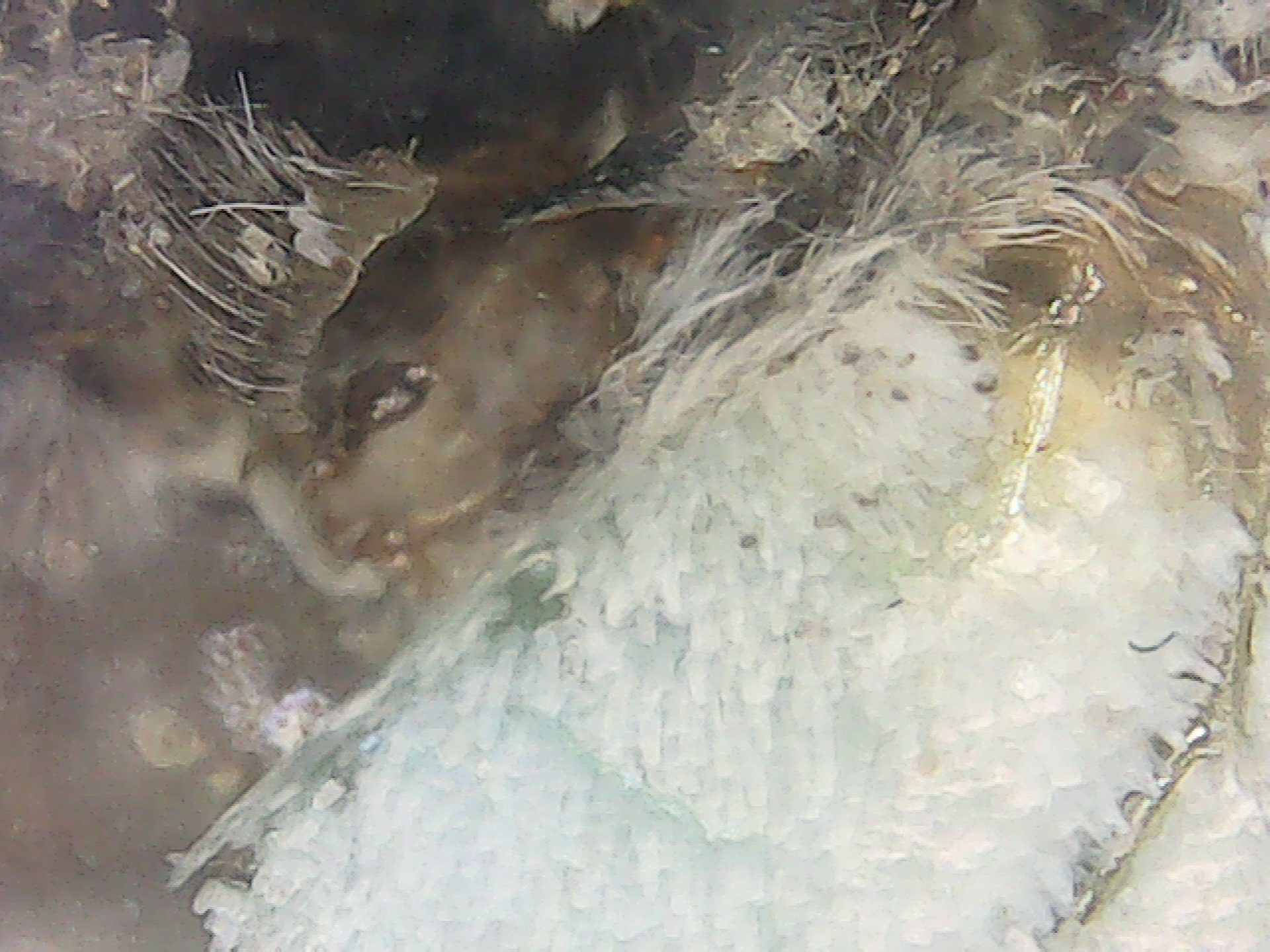
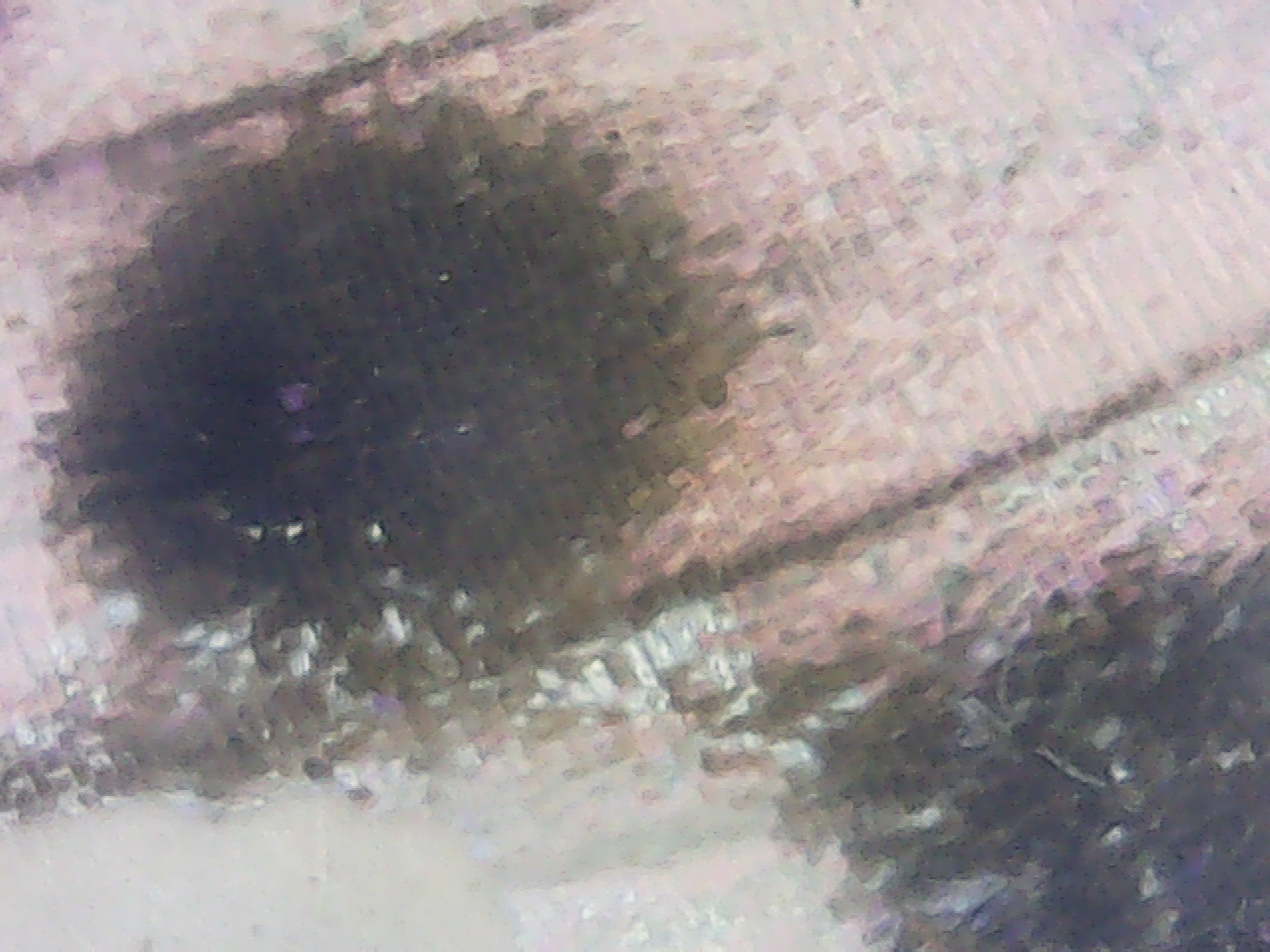
Mother of Perl Butterfly wing macro
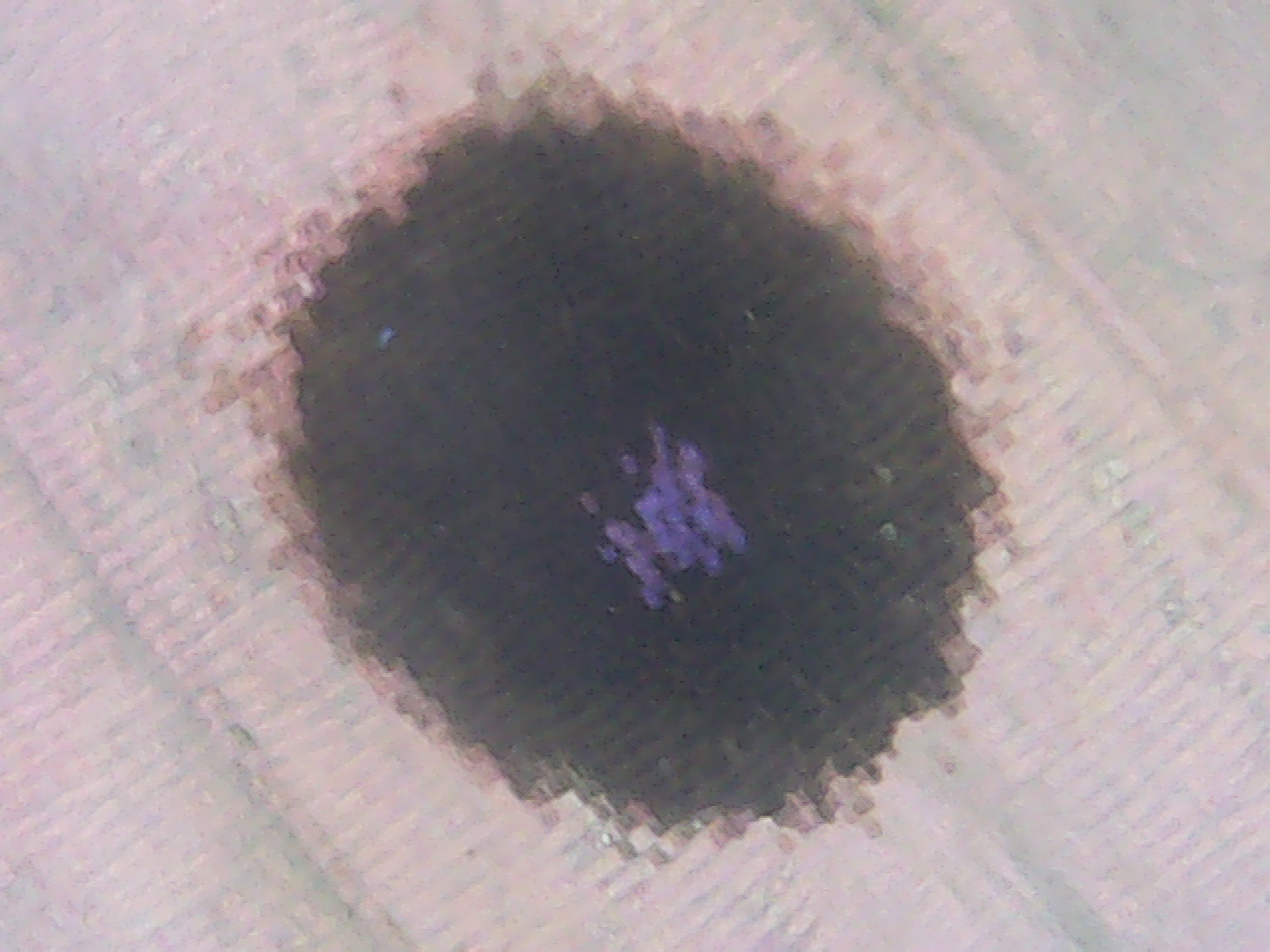
Mother of Perl Butterfly spot macro
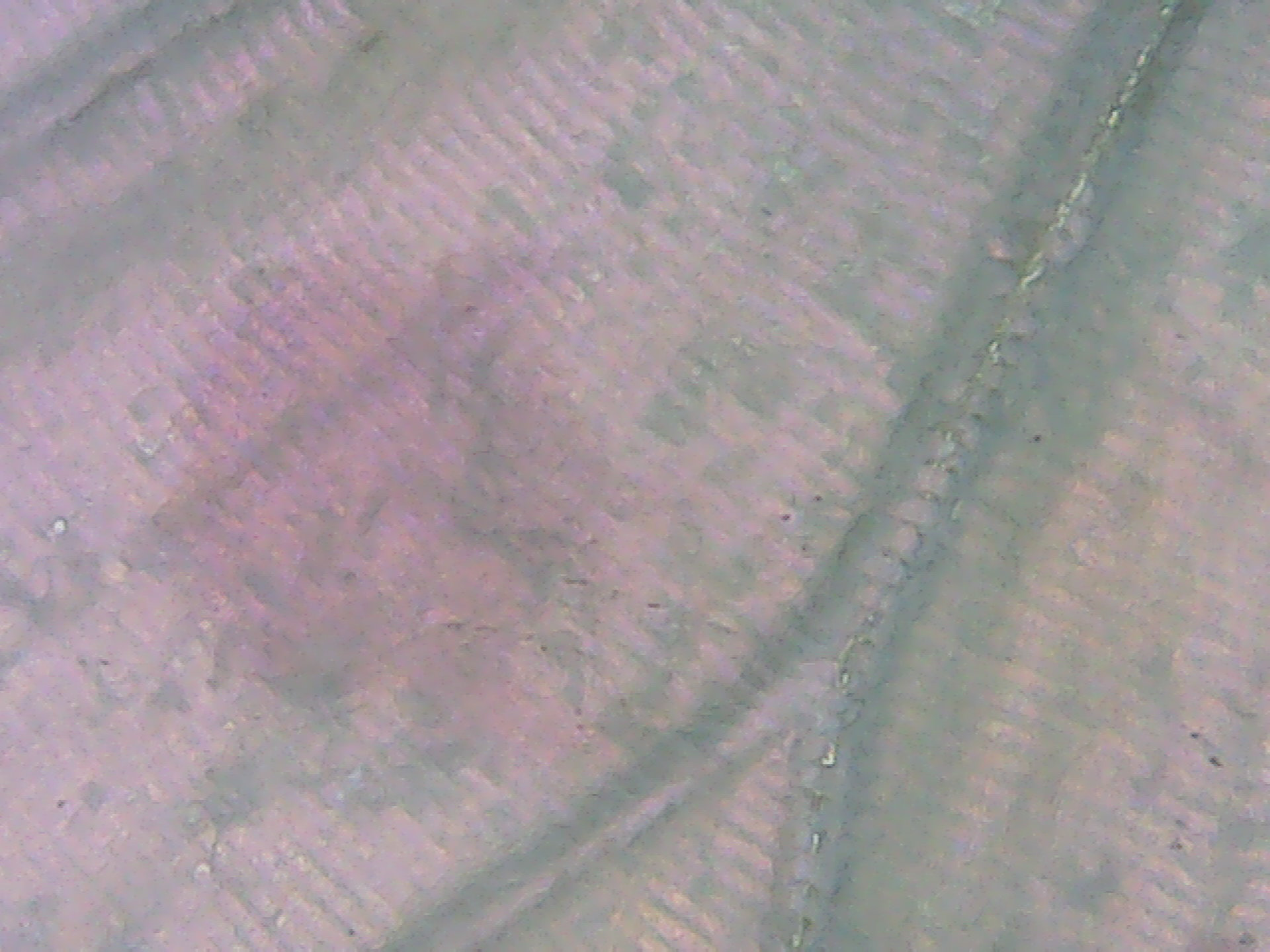
Mother of Perl Butterfly wing macro
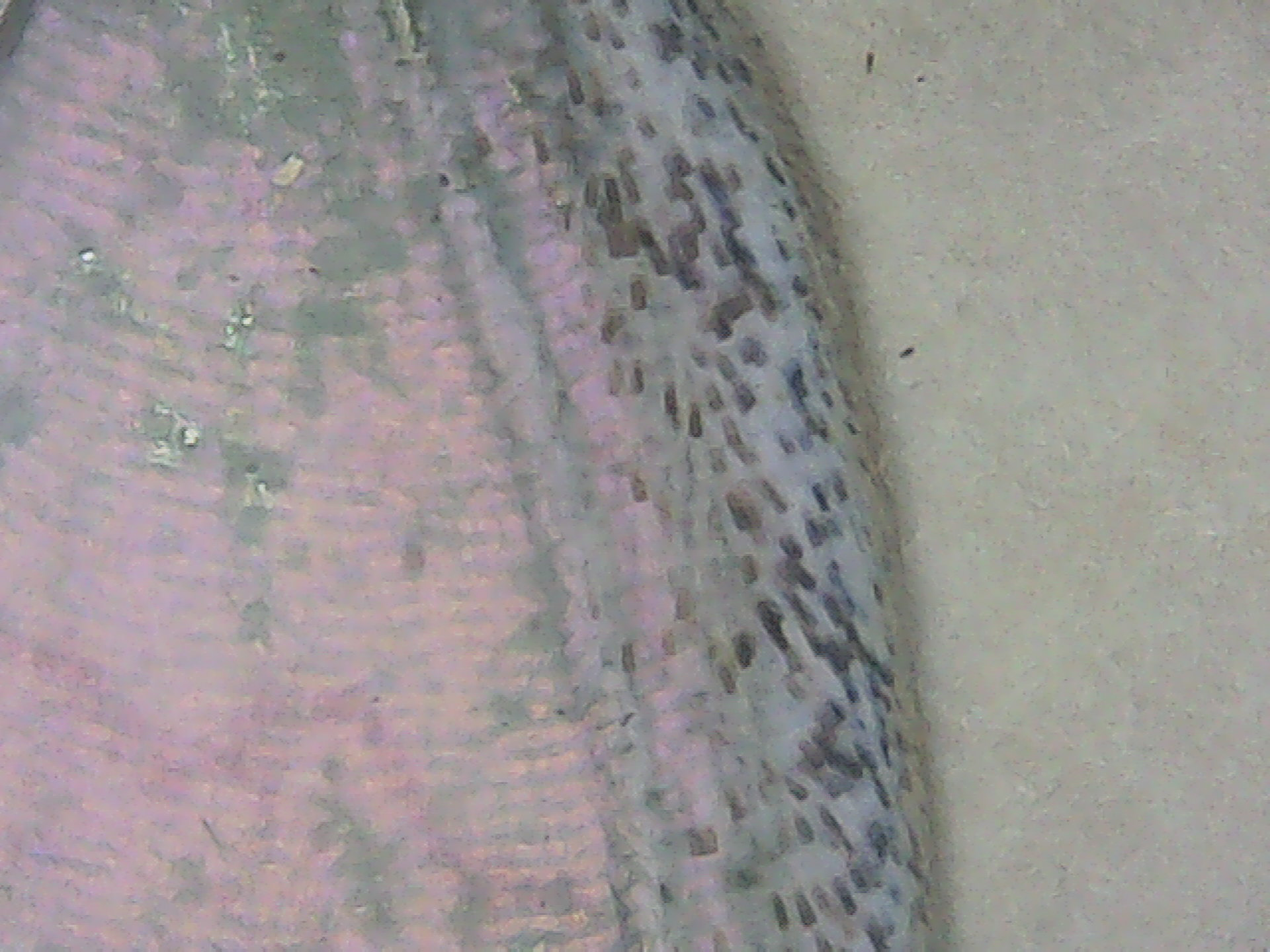
Mother of Perl Butterfly wing macro
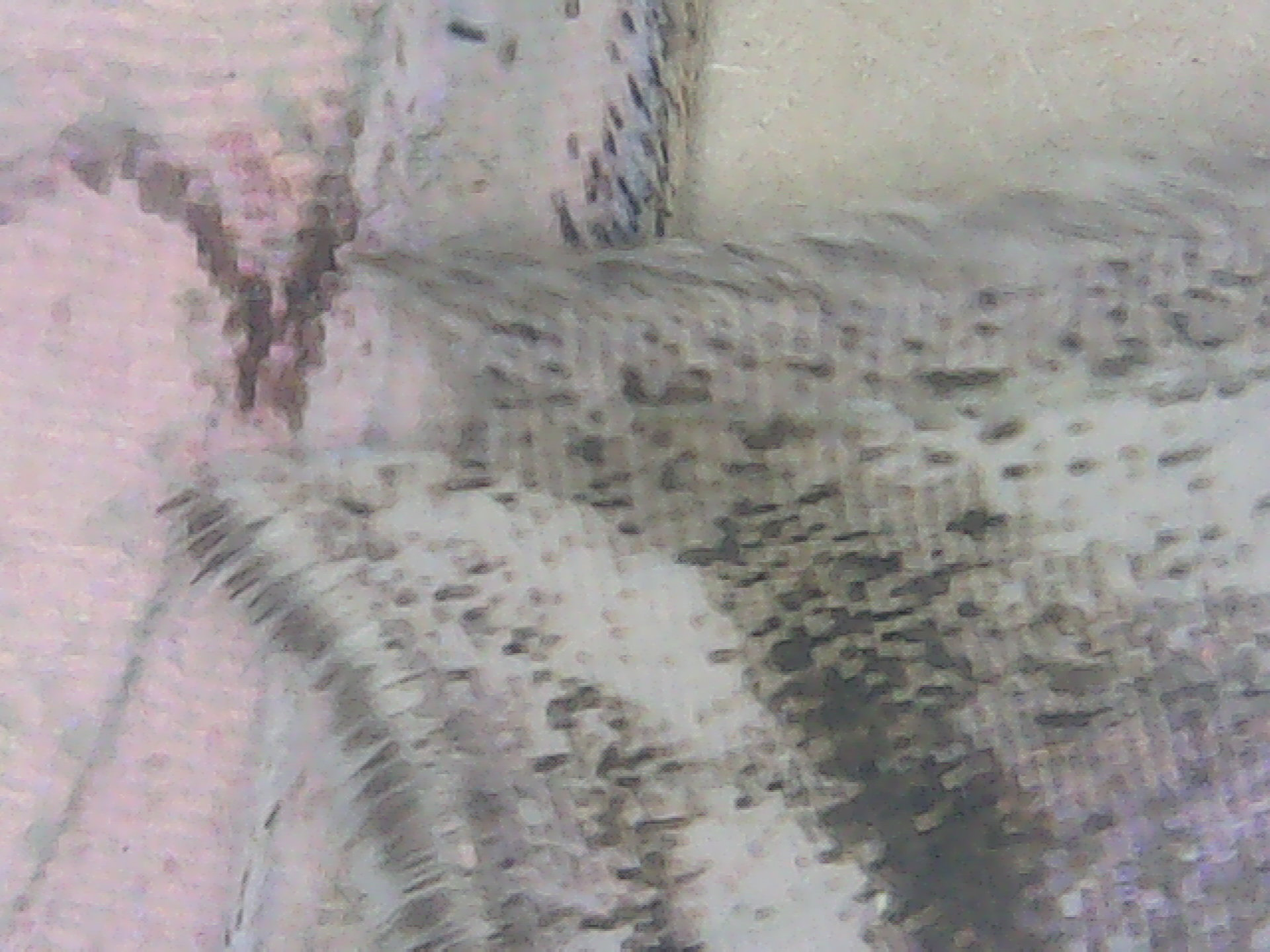
Mother of Perl Butterfly wing macro
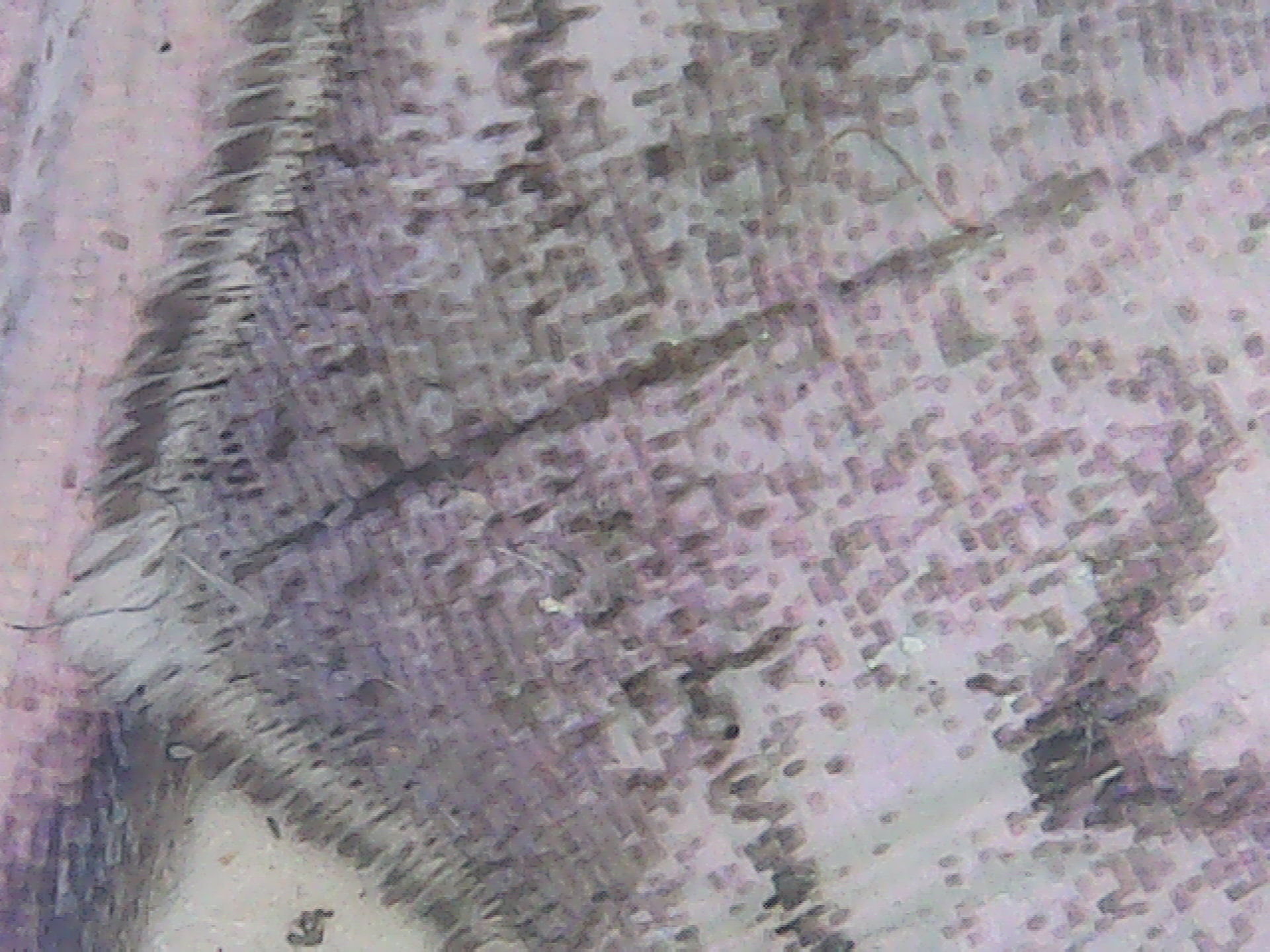
Mother of Perl Butterfly wing macro
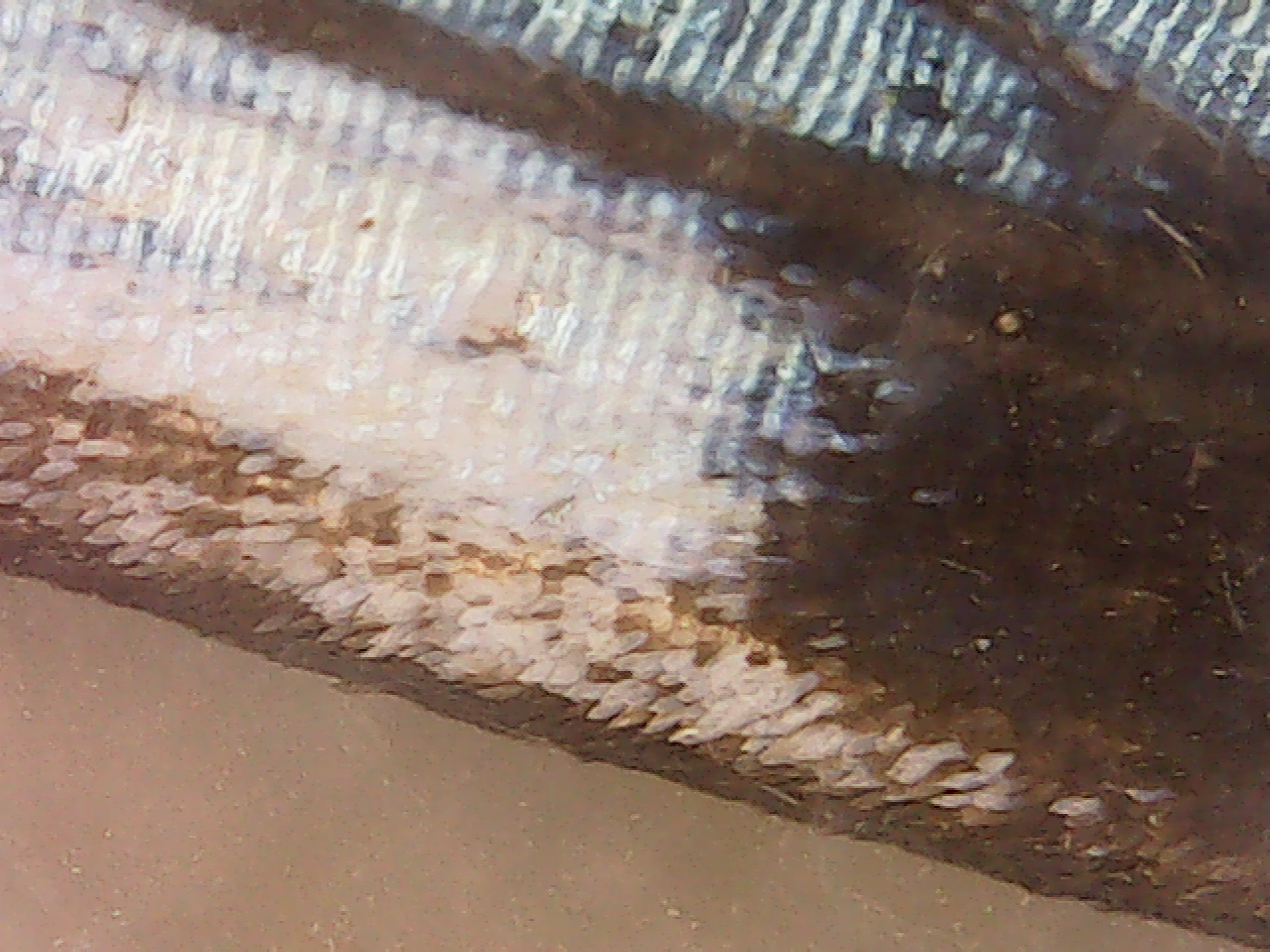
Mother of Perl Butterfly wing macro
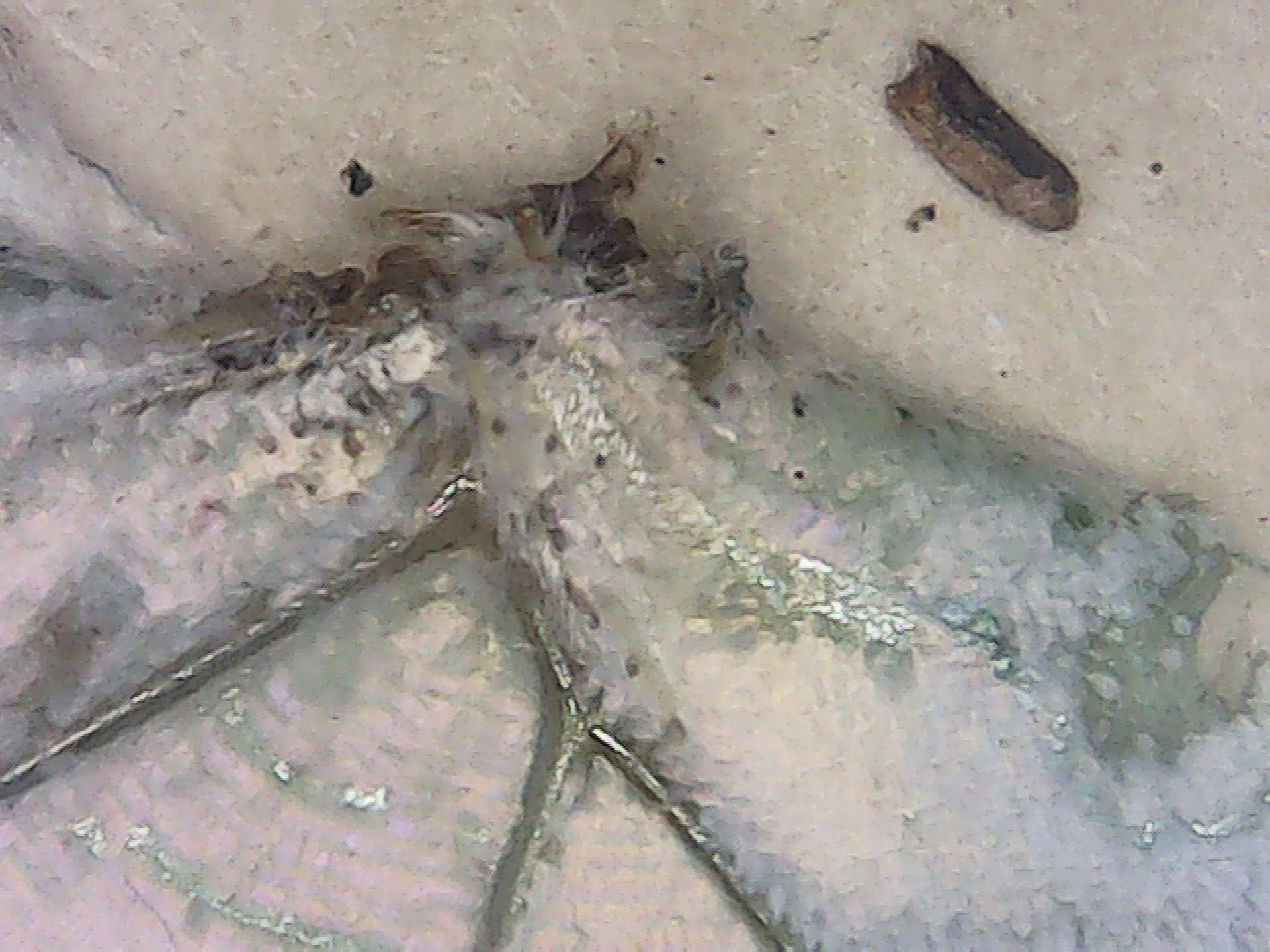
Mother of Perl Butterfly wing macro
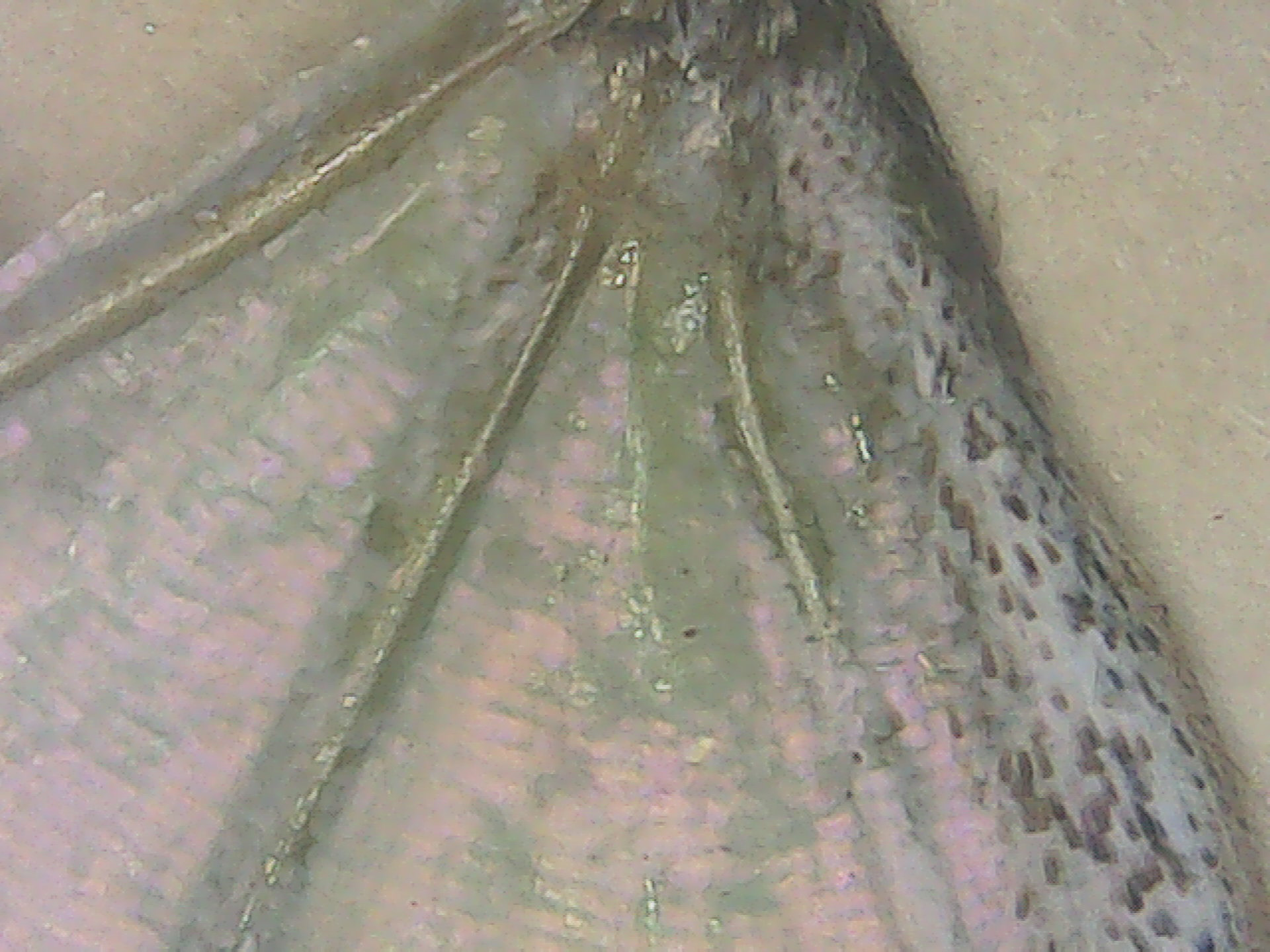
Mother of Perl Butterfly wing macro
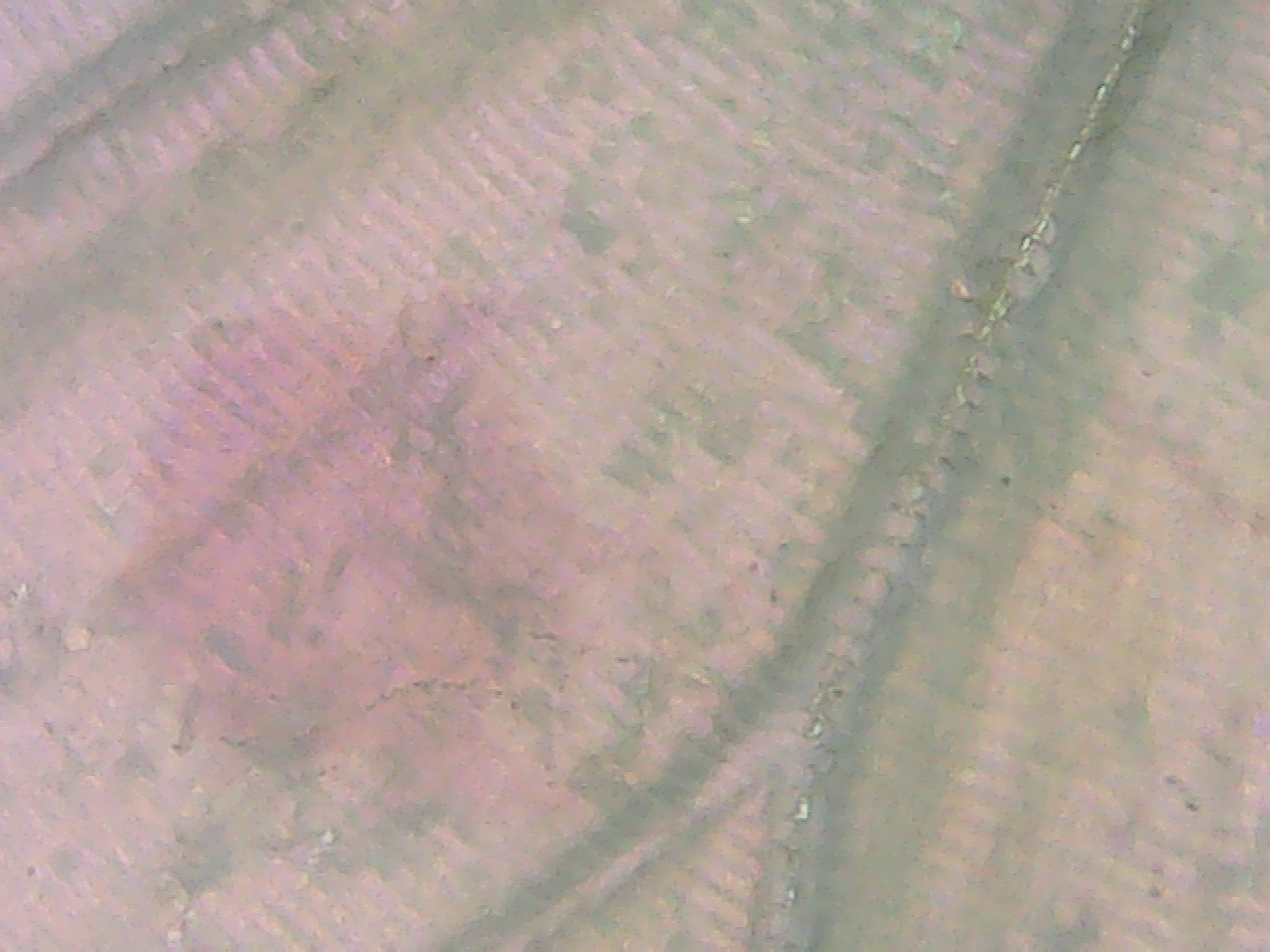
Mother of Perl Butterfly wing macro
Butterfly wings consist of two thin, transparent membranes of chitin, covered in thousands of tiny overlapping scales. These scales create colour in two ways: pigmentation, which produces natural colours like black and brown, and structural coloration, which involves microscopic ridges that bend light to create iridescent blues, greens and vibrant patterns.