🦋 How Butterflies See Compared to Humans
Butterflies’ visual systems are radically different from ours.
1. Compound eyes:
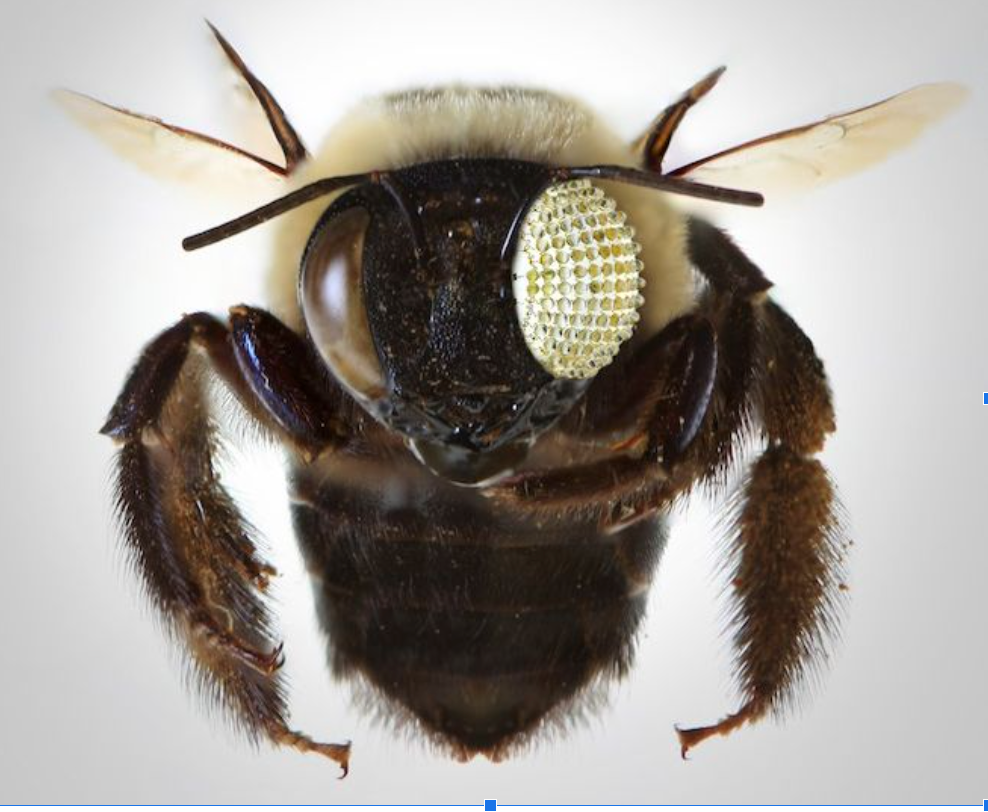
Butterflies have compound eyes, made up of thousands of tiny lenses called ommatidia. Each ommatidium sees a small part of the visual field, creating a mosaic-like image. This makes their vision lower in resolution than ours — blurry to a human — but extremely good at detecting motion and flicker.
Butterflies have compound eyes, made up of thousands of tiny lenses called ommatidia. Each ommatidium sees a small part of the visual field, creating a mosaic-like image. This makes their vision lower in resolution than ours — blurry to a human — but extremely good at detecting motion and flicker.
2. Colour perception (superhuman range):
Humans have three types of photoreceptors (red, green, blue cones).
Butterflies can have five or more — some species even have up to 15 different photoreceptor types.
Humans have three types of photoreceptors (red, green, blue cones).
Butterflies can have five or more — some species even have up to 15 different photoreceptor types.
This gives them:
Ultraviolet vision: They can see patterns on flowers and other butterflies that are completely invisible to us.
Enhanced colour discrimination: Some species perceive subtle differences between shades that look identical to humans.
Polarisation vision: They can detect the orientation of light waves, which helps in navigation and mating displays.
So in a sense, butterflies live in a world that’s simultaneously softer in detail and richer in colour and shimmer than ours.
🎥 Has Butterfly Vision Been Emulated Using Film or Visual Media?
Yes — though not perfectly, since human cameras and displays can’t reproduce ultraviolet or polarised light directly. Artists and filmmakers have approximated it in several creative ways:
1. Scientific reconstructions:
Researchers have simulated butterfly vision digitally by:
Researchers have simulated butterfly vision digitally by:
Filtering images to mimic the wavelength sensitivities of butterfly photoreceptors.
Creating “false colour” composites showing how a butterfly might distinguish flowers.
(For instance, studies on Heliconius and Papilio species have used UV-sensitive cameras plus digital mapping.)
(For instance, studies on Heliconius and Papilio species have used UV-sensitive cameras plus digital mapping.)
2. Artistic and cinematic emulation:
Damien Hirst used real butterfly wings in his artworks to evoke that iridescent, otherworldly shimmer. While not a literal depiction of butterfly sight, his work explores the perceptual intensity butterflies represent.
Some filmmakers and digital artists have experimented with UV photography and multispectral imaging to simulate what an insect might perceive — e.g. in nature documentaries or conceptual short films (like sequences in BBC’s Life in the Undergrowth or Planet Earth II).
Experimental films and art installations sometimes use polarising filters, iridescent materials, or shifting light spectra to mimic the dynamic, multidimensional colour world of butterflies.
The Core Challenge
True “butterfly vision” can’t be directly experienced by humans — our retinas and brains simply can’t process UV or multiple spectral channels. Any emulation is a translation, much like trying to make a film of music for the deaf: it’s interpretive rather than literal.
Here are some fascinating visual examples of how butterfly vision has been simulated, photographed or artistically rendered — along with commentary on how they work and what they reveal:
Simulated UV / insect-vision photos
What you’re seeing:
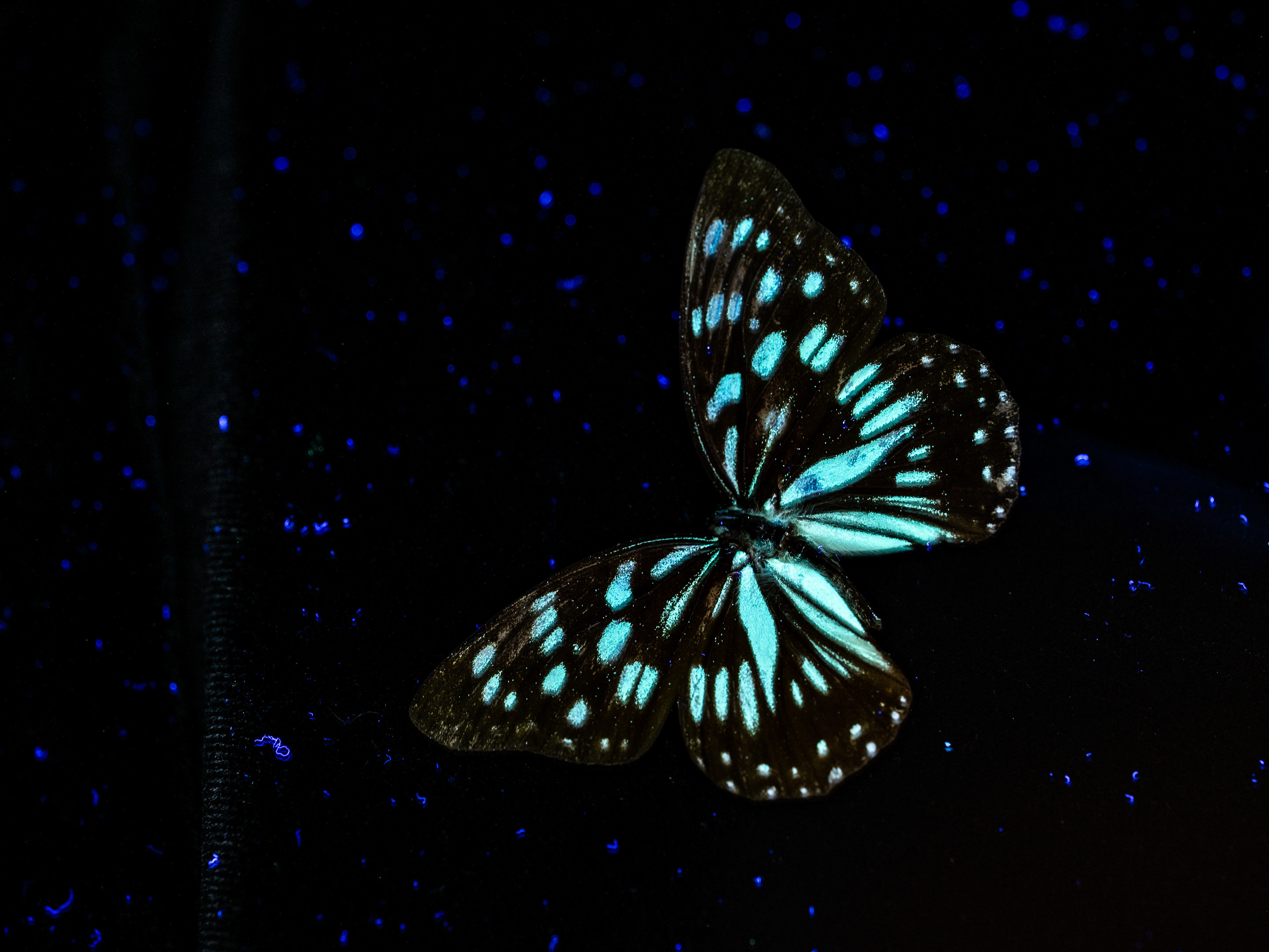
Photographs taken with UV-sensitive filters (or fluorescence) to capture the parts of butterflies / flowers that reflect UV light, which humans can’t normally see. For example, one photographer shows a butterfly on a flower captured in reflected UV and then “simulated bee and butterfly vision”.
These images reveal “hidden” patterns — nectar guides, UV markings on wings, etc — which are invisible to our eyes but visible to insects with UV-sensitive vision.
Why it matters:
Research shows that some species of butterflies (e.g., Heliconius erato) have duplicate UV opsin genes enabling true colour discrimination in the UV range. PubMed+1
True UV color vision in a female butterfly with two UV opsins
Affiliations Expand
PMID: 34587624
DOI: 10.1242/jeb.242802
In true color vision, animals discriminate between light wavelengths, regardless of intensity, using at least two photoreceptors with different spectral sensitivity peaks. Heliconius butterflies have duplicate UV opsin genes, which encode ultraviolet and violet photoreceptors, respectively. In Heliconius erato, only females express the ultraviolet photoreceptor, suggesting females (but not males) can discriminate between UV wavelengths. We tested the ability of H. erato, and two species lacking the violet receptor, Heliconius melpomene and Eueides isabella, to discriminate between 380 and 390 nm, and between 400 and 436 nm, after being trained to associate each stimulus with a sugar reward. We found that only H. erato females have color vision in the UV range. Across species, both sexes show color vision in the blue range. Models of H. erato color vision suggest that females have an advantage over males in discriminating the inner UV-yellow corollas of Psiguria flowers from their outer orange petals. Moreover, previous models ( McCulloch et al., 2017) suggested that H. erato males have an advantage over females in discriminating Heliconius 3-hydroxykynurenine (3-OHK) yellow wing coloration from non-3-OHK yellow wing coloration found in other heliconiines. These results provide some of the first behavioral evidence for female H. erato UV color discrimination in the context of foraging, lending support to the hypothesis ( Briscoe et al., 2010) that the duplicated UV opsin genes function together in UV color vision. Taken together, the sexually dimorphic visual system of H. erato appears to have been shaped by both sexual selection and sex-specific natural selection.
Keywords: Behavior; Insect vision; Ultraviolet; Visual system; Wavelength discrimination.
© 2021. Published by The Company of Biologists Ltd.
Reconstructing the ancestral butterfly eye: focus on the opsins
Affiliations Expand
PMID: 18490396
DOI: 10.1242/jeb.013045
Free article
Abstract
The eyes of butterflies are remarkable, because they are nearly as diverse as the colors of wings. Much of eye diversity can be traced to alterations in the number, spectral properties and spatial distribution of the visual pigments. Visual pigments are light-sensitive molecules composed of an opsin protein and a chromophore. Most butterflies have eyes that contain visual pigments with a wavelength of peak absorbance, lambda(max), in the ultraviolet (UV, 300-400 nm), blue (B, 400-500 nm) and long wavelength (LW, 500-600 nm) part of the visible light spectrum, respectively, encoded by distinct UV, B and LW opsin genes. In the compound eye of butterflies, each individual ommatidium is composed of nine photoreceptor cells (R1-9) that generally express only one opsin mRNA per cell, although in some butterfly eyes there are ommatidial subtypes in which two opsins are co-expressed in the same photoreceptor cell. Based on a phylogenetic analysis of opsin cDNAs from the five butterfly families, Papilionidae, Pieridae, Nymphalidae, Lycaenidae and Riodinidae, and comparative analysis of opsin gene expression patterns from four of the five families, I propose a model for the patterning of the ancestral butterfly eye that is most closely aligned with the nymphalid eye. The R1 and R2 cells of the main retina expressed UV-UV-, UV-B- or B-B-absorbing visual pigments while the R3-9 cells expressed a LW-absorbing visual pigment. Visual systems of existing butterflies then underwent an adaptive expansion based on lineage-specific B and LW opsin gene multiplications and on alterations in the spatial expression of opsins within the eye. Understanding the molecular sophistication of butterfly eye complexity is a challenge that, if met, has broad biological implications.
The photos give a visual translation: while we cannot see UV light as they do, the filtered/processed images give a sense of how dramatically different their world can be.
Limitations / caveats:
These are not exact what a butterfly sees (we cannot perfectly visualise their brain-processing or full spectral channels).
The images are “translated” into our visible wavelengths for display. So they are interpretive rather than literal.
2. Multispectral imaging & scientific captures of butterfly wing reflectance
Scientific studies using multispectral imaging (UV, visible, sometimes near-IR) to map reflectance across butterfly wings and other insect surfaces. For example, one study shows UV vs visible reflectance heat-maps for butterfly specimens.
These give a far more data-rich view of how butterflies appear in wavelengths we don’t normally see, and how patterns vary among species.
Why it matters:
These give a scientific foundation for what “butterfly vision” might be reacting to: e.g., certain pigments reflect UV, certain patterns signal mates or species identity. PubMed+1
They help explain how imaging technologies are used to explore phenomena beyond our human vision.
Limitations / caveats:
Again, the imaging is a measurement of reflectance / spectral properties, not necessarily a human-viewable translation of what a butterfly perceives.
The brain/visual processing of the butterfly is very different from the captured data.
3. Artistic & immersive simulations / film-art experiences
Projects and installations which attempt to let humans experience something akin to insect or butterfly vision. For instance:
A VR experience named “BUTTERFLY” invites you to “use your butterfly senses … UV-Vision enables you to see hidden patterns on plants and animals” in a simulated environment. Birdly VR | The Ultimate Dream of Flying
Other art exhibits where the artist uses structural colour, digital manipulation, or projections to evoke the otherworldly colour/perception of butterflies. dominicharris.com
Why it matters:
These simulations help explore or feel the qualitative difference of butterfly vision (richer in wavelengths, different patterns) from a human vantage-point.
They provide an artistic bridge between biological reality and human experience.
Limitations / caveats:
These are interpretive and aesthetic, rather than rigorous scientific replications.
The human brain still interprets the output within our RGB + visible spectrum constraints.
Summary
Yes — there are scientific and artistic efforts to visualise what butterfly vision might “look like” (to us).
These range from UV-filtered photography, multispectral imaging of butterfly wings, to immersive simulation/VR.
While none can perfectly show us exactly what a butterfly experiences, they give meaningful translations and insights.
Historical Sketch
Biologists are physically handicapped. In comparison with the organisms they study,
their senses are often rather limited. This is most certainly the case with vision, whereby the
study of animal vision began quite early and revealed a number of unexpected phenomena.
Perhaps the most interesting and least explored has to do with the part of the electromag-
netic spectrum that is normally invisible to humans, but most other organisms are visually
sensitive to the ultraviolet (UV) part of the light spectrum. The wings of butterflies feature
a wide variety of UV-reflective patterns, including the most intensive reflectance found in
living organisms. In many species, these patterns show none or just negligible congruence
with the pattern visible to the human eye [1]. These patterns can be produced by pigments,
Insects 2022, 13, 242. https://doi.org/10.3390/insects13030242 https://www.mdpi.com/journal/insectsInsects 2022, 13, 242 2 of 25
by structural means, or both. They are often species-specific and sexually dimorphic.
Obviously, butterflies can use these patterns for intra- and interspecific communication.
The first comprehensive analysis of butterfly UV patterns was undertaken by Lutz [2],
who published images of many species taken through a UV filter. His main goal was to
indicate how a butterfly’s pattern may appear to another insect as opposed to the human
eye. Unfortunately, Lutz in his study did not take into account the fact that insects are also
sensitive to the visible spectrum, although some species display a weakness in the orange
and red colour ranges. A subsequent study by Crane [3] analysed all possible methods
of studying the UV spectrum and using UV photography; it surveyed in detail the UV
patterns of 41 lepidopteran species. Crane also systematically described the colours (visible
to the human eye) that correspond to the UV patterns and stated that the nature of all of
these colours is probably structural. One of his conclusions, namely that UV patterns are
rare among lepidopteran species, was probably due to his focus on tropical species.
Since then, our knowledge of UV patterns on the wings of butterflies and moths had ex-
panded to include at least ten families of Lepidoptera [4–6], such as Pieridae [7–10], Nymphal-
idae [11,12], Riodinidae [13], Lycaenidae [14,15], Lymantriidae [6], and Papilionidae [3,16,17].
The aim of this text is to elucidate and review the functions and relative importance
of UV patterns in a wide range of mainly lepidopteran species. The main idea was in-
spired by the ground-breaking work of Silberglied (1979), who was the first to attempt a
comprehensive approach to UV in biology and likewise focused on butterflies.
Copyright: © 2022 by the authors.
Licensee MDPI, Basel, Switzerland.
This article is an open access article
distributed under the terms and
conditions of the Creative Commons
Attribution (CC BY) license (https://
creativecommons.org/licenses/by/
4.0/
Structure of the insect compound eye and how insects see.\r
\r
Insecta Spectra Simulated Butterfly and Bee vision The way insects see the colorful world of flowers differs from our perception. The human vision is based on .\r
\r
This time on a Moment of Science. Can insects see colors? As it turns out, it depends on what kind of eyes it has. A Moment of Science is a production of .\r
\r
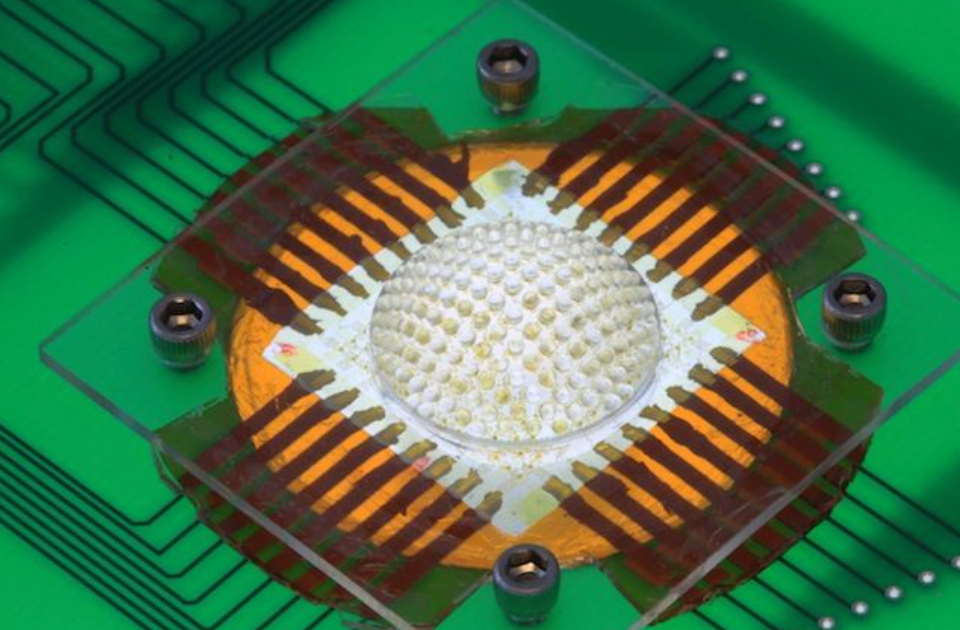
Scientists in the journal Nature reported this week that they have created a tiny compound camera that mimics the perspective of a small insect, with 180 . https://www.dailymotion.com/video/x3klx89?utm_source=chatgpt.com
\r
Insecta Spectra Simulated Butterfly and Bee vision The way insects see the colorful world of flowers differs from our perception. The human vision is based on .\r
\r
This time on a Moment of Science. Can insects see colors? As it turns out, it depends on what kind of eyes it has. A Moment of Science is a production of .\r
\r
Scientists in the journal Nature reported this week that they have created a tiny compound camera that mimics the perspective of a small insect, with 180 . https://www.dailymotion.com/video/x3klx89?utm_source=chatgpt.com
WIRED SCIENCESCIENCEMAY 1, 2013 1:00 PM
Tiny New Compound Camera Is Built Like a Bug's Eye
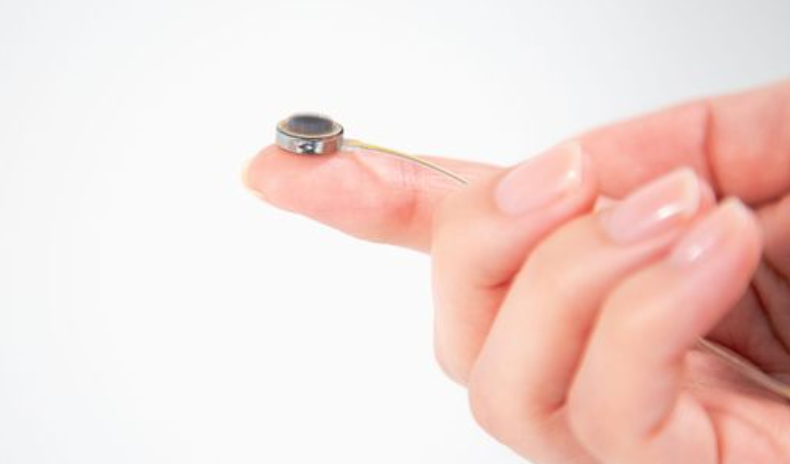
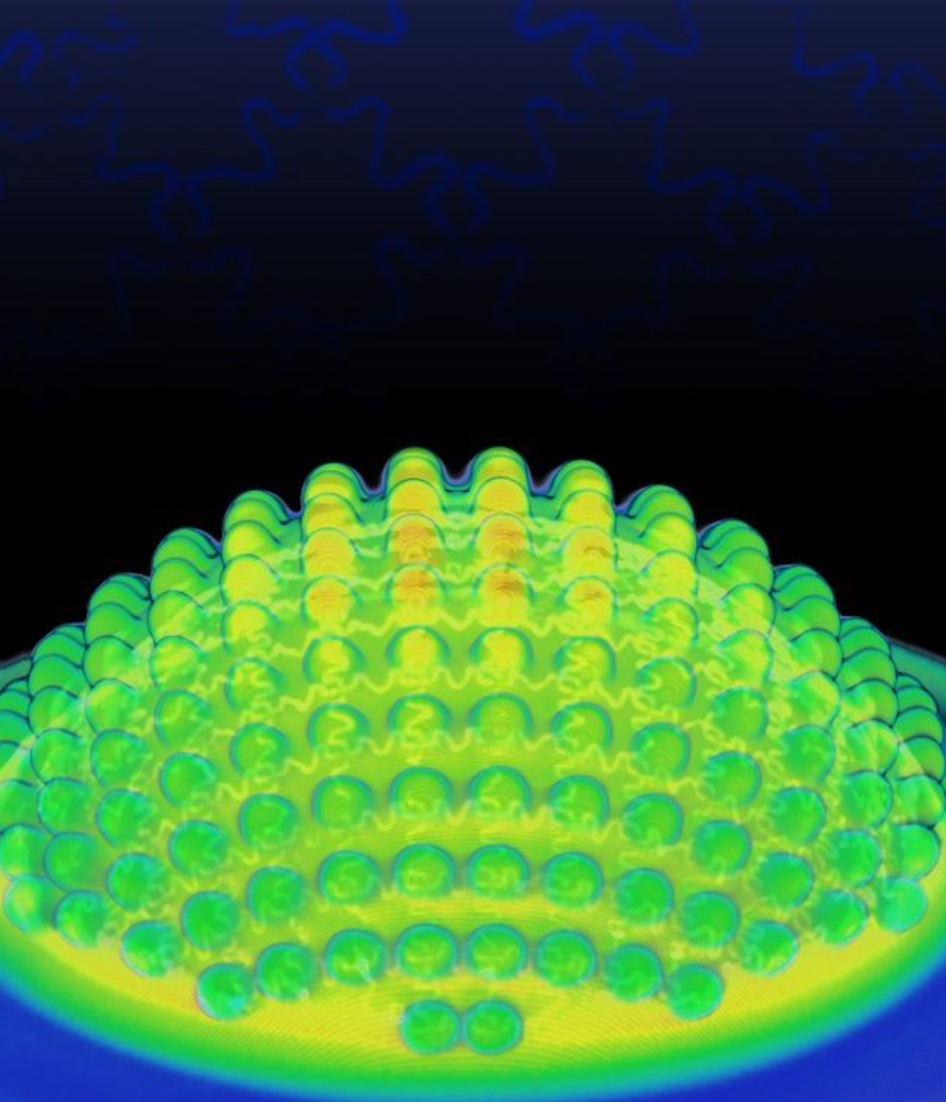
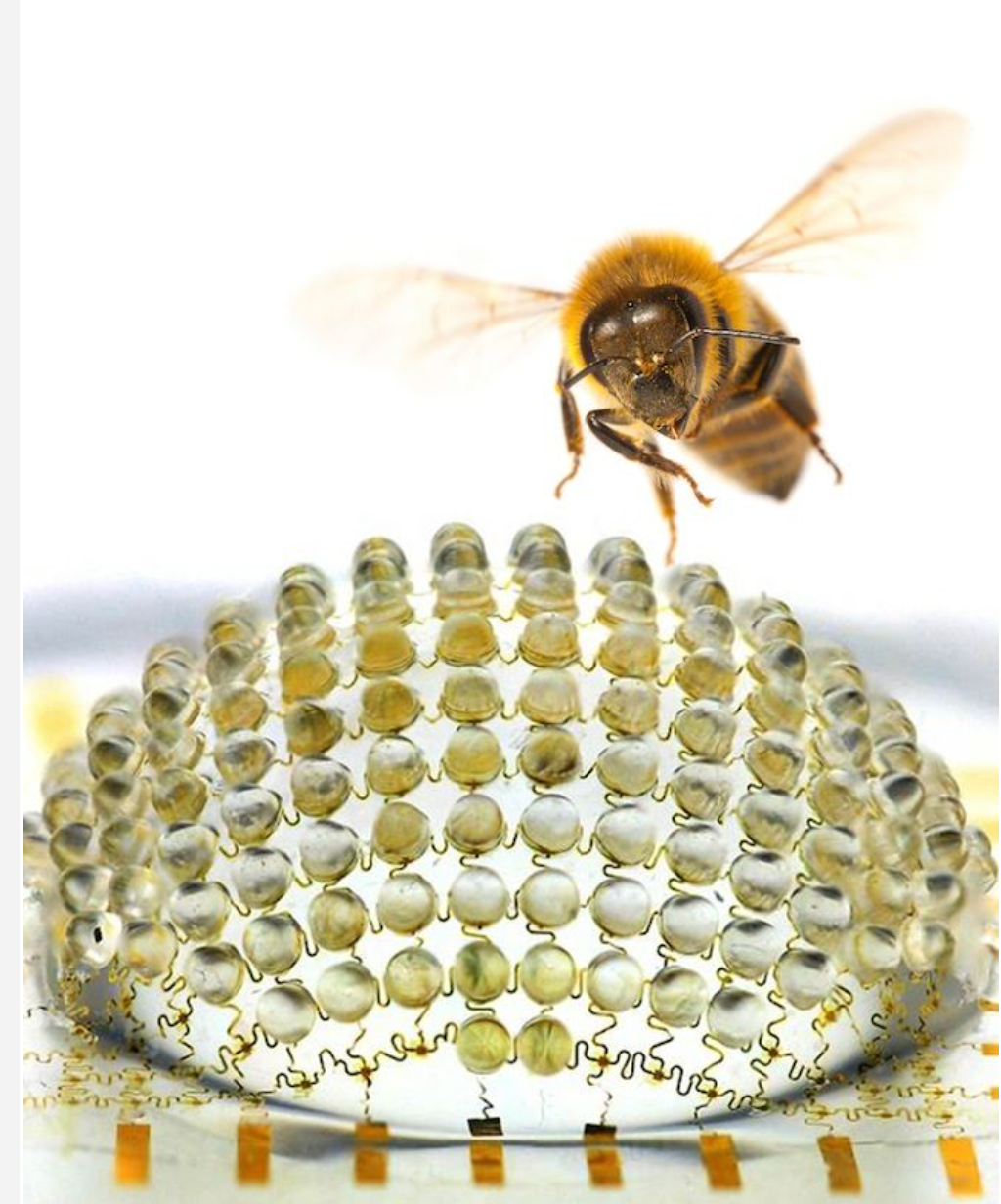
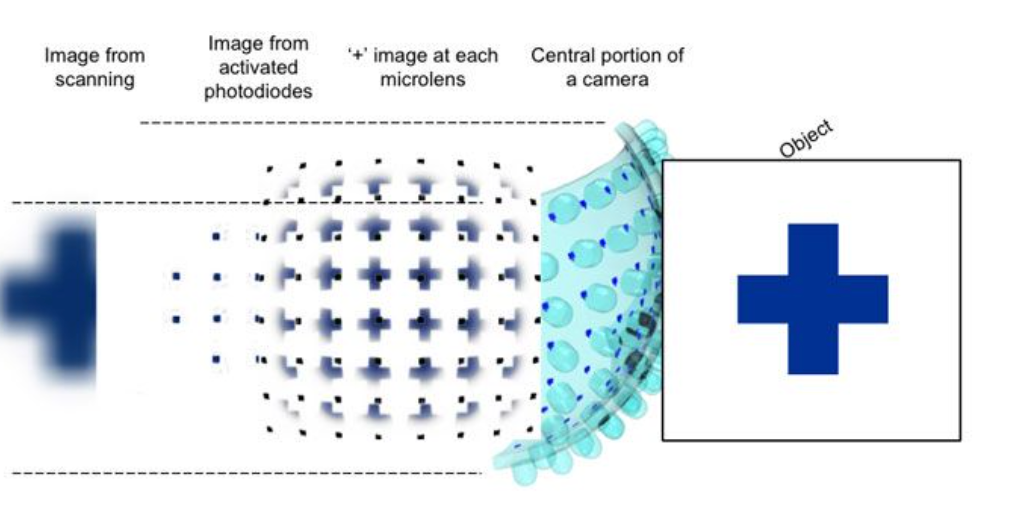
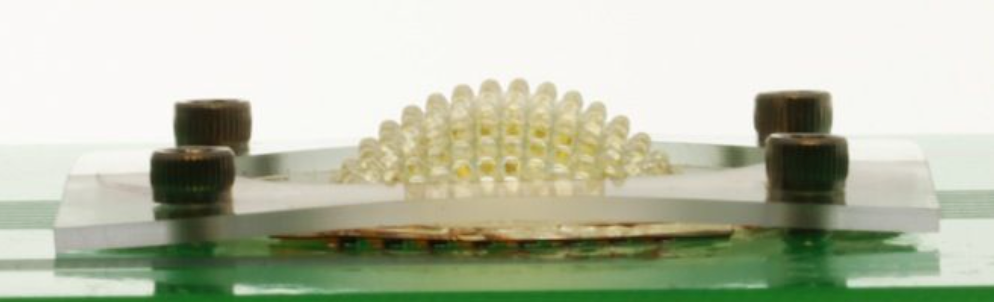
Scientists have built a digital camera inspired by the compound eyes of insects such as bees and flies. The camera's hemispherical array of 180 microlenses give it a 160˚ field of view and the ability to focus simultaneously on objects at different depths.
SCIENTISTS HAVE BUILT a digital camera inspired by the compound eyes of insects like bees and flies. The camera's hemispherical array of 180 microlenses gives it a 160 degree field of view and the ability to focus simultaneously on objects at different depths.
Human eyes, and virtually all cameras, use a single lens to focus light onto a light-sensitive tissue or material. That arrangement can produce high-resolution images, but compound eyes offer different advantages. They can provide a more panoramic view, for example, and remarkable depth perception.
The new artificial version, created by by John Rogers and colleagues at the University of Illinois at Urbana-Champaign and described today in Nature, could potentially be developed for use in security cameras or surgical endoscopes.
"The resolution is roughly equivalent to that of a fire ant or a bark beetle," Rogers wrote in an email to Wired. "With manufacturing systems more like those in industry, and less like the academic, research setups that we are currently using, we feel that it is possible to get to the level of a dragonfly or beyond."
In an accompanying editorial, Alexander Borst and Johannes Plett of the Max-Planck-Institute of Neurobiology in Martinsried, Germany suggest the cameras could also provide visual capabilities for tiny aircraft called micro aerial vehicles. "One major application is disaster relief," they wrote. "Picture the following: a palm-sized MAV uses an artificial faceted eye to navigate autonomously through a collapsed building while other sensors on board scan the environment for smoke, radioactivity or even people trapped beneath rubble and debris."
Presumably the engineers who build these future rescue MAVs will come up with a way to make sure the people they're trying to help don't mistake them for flies and swat them down.
Images: University of Illinois and Beckman Institute