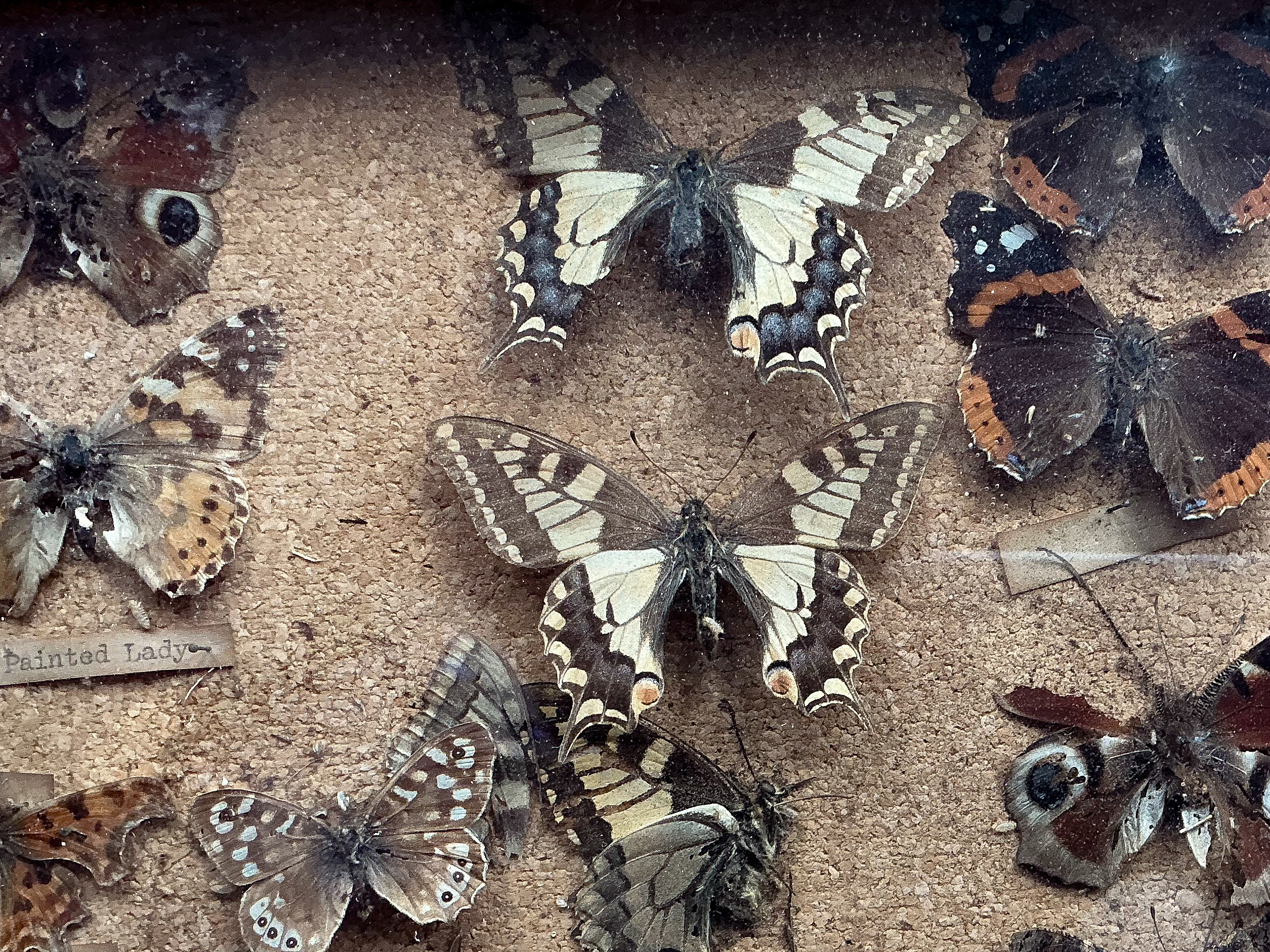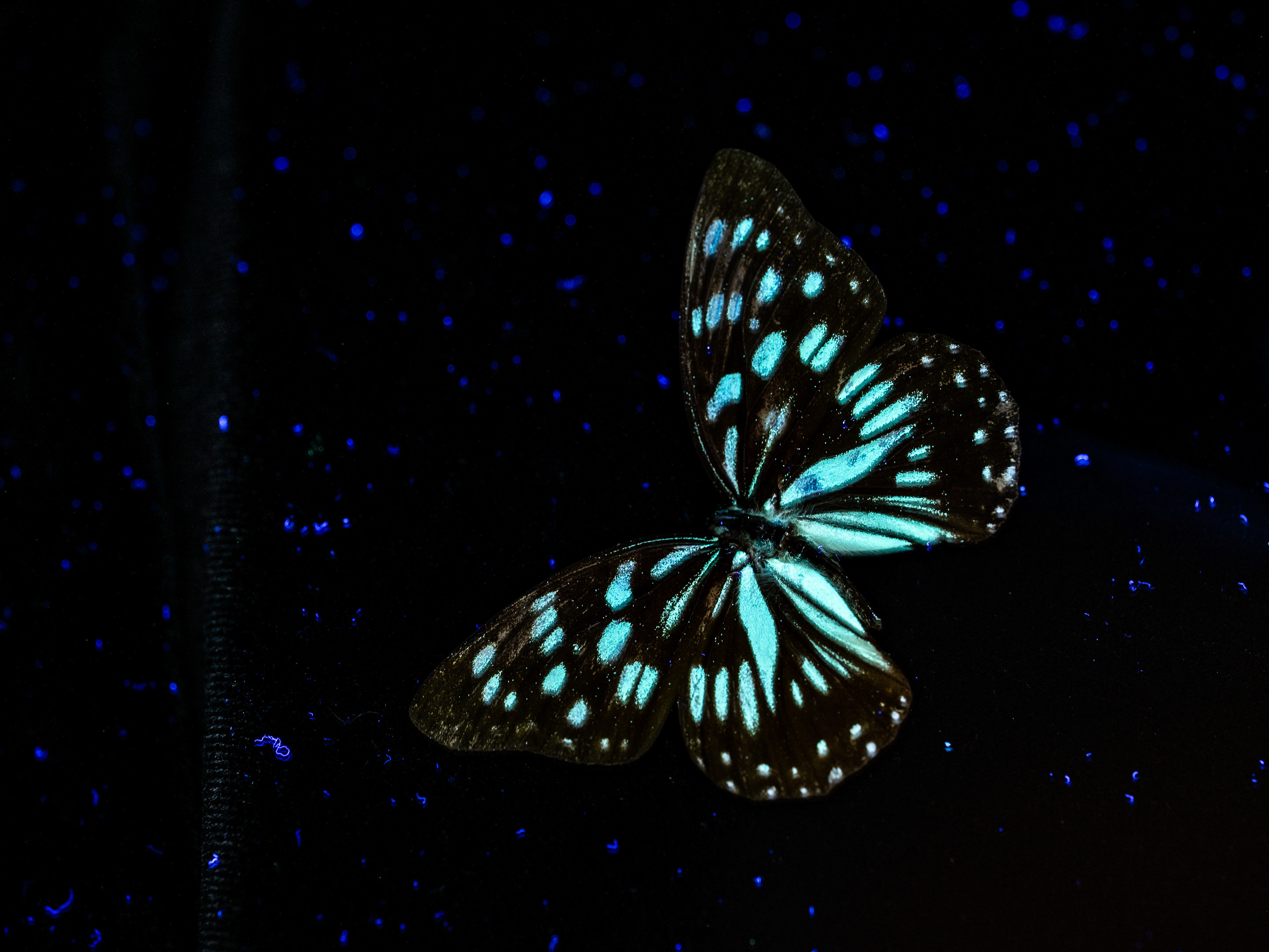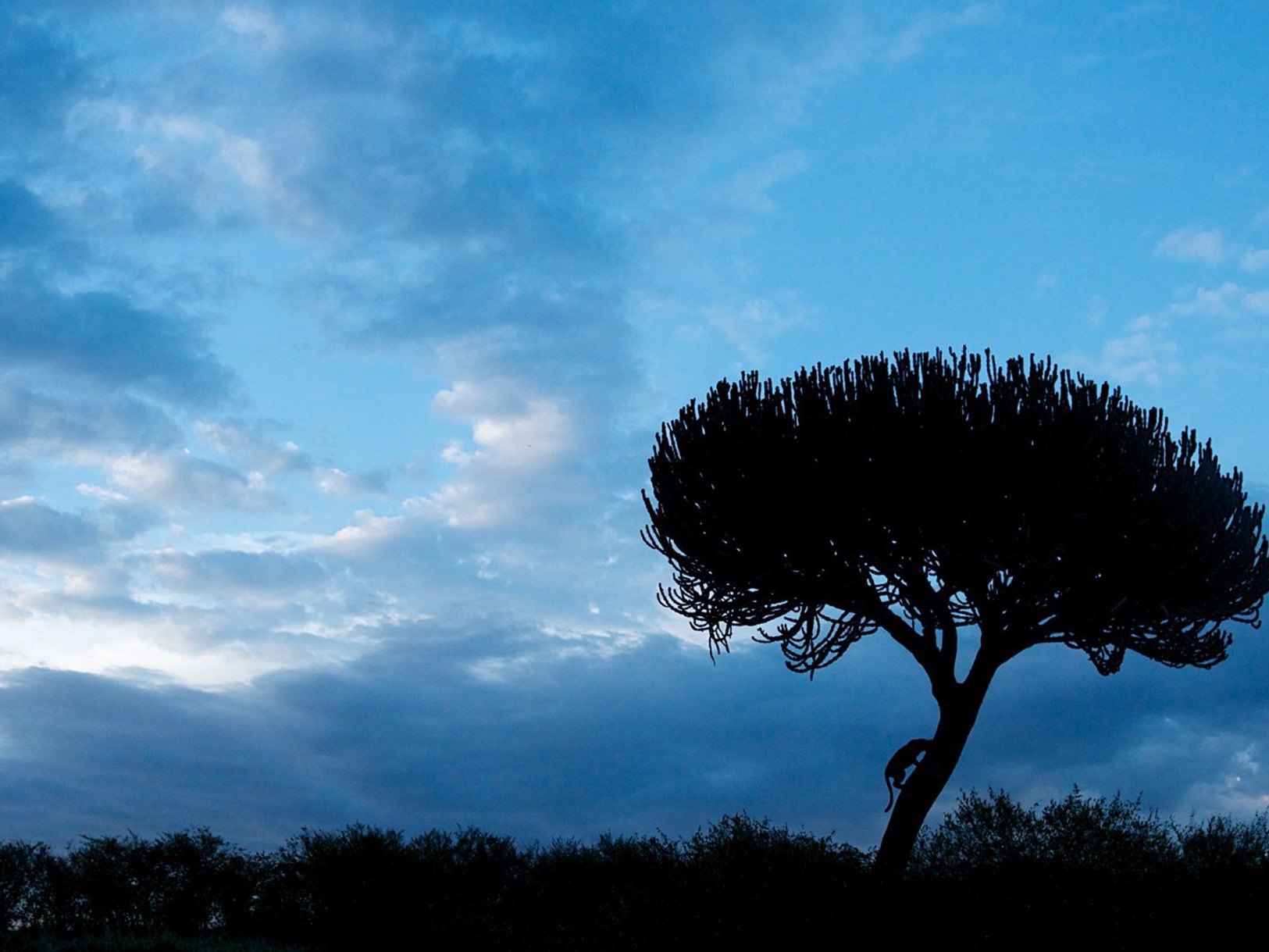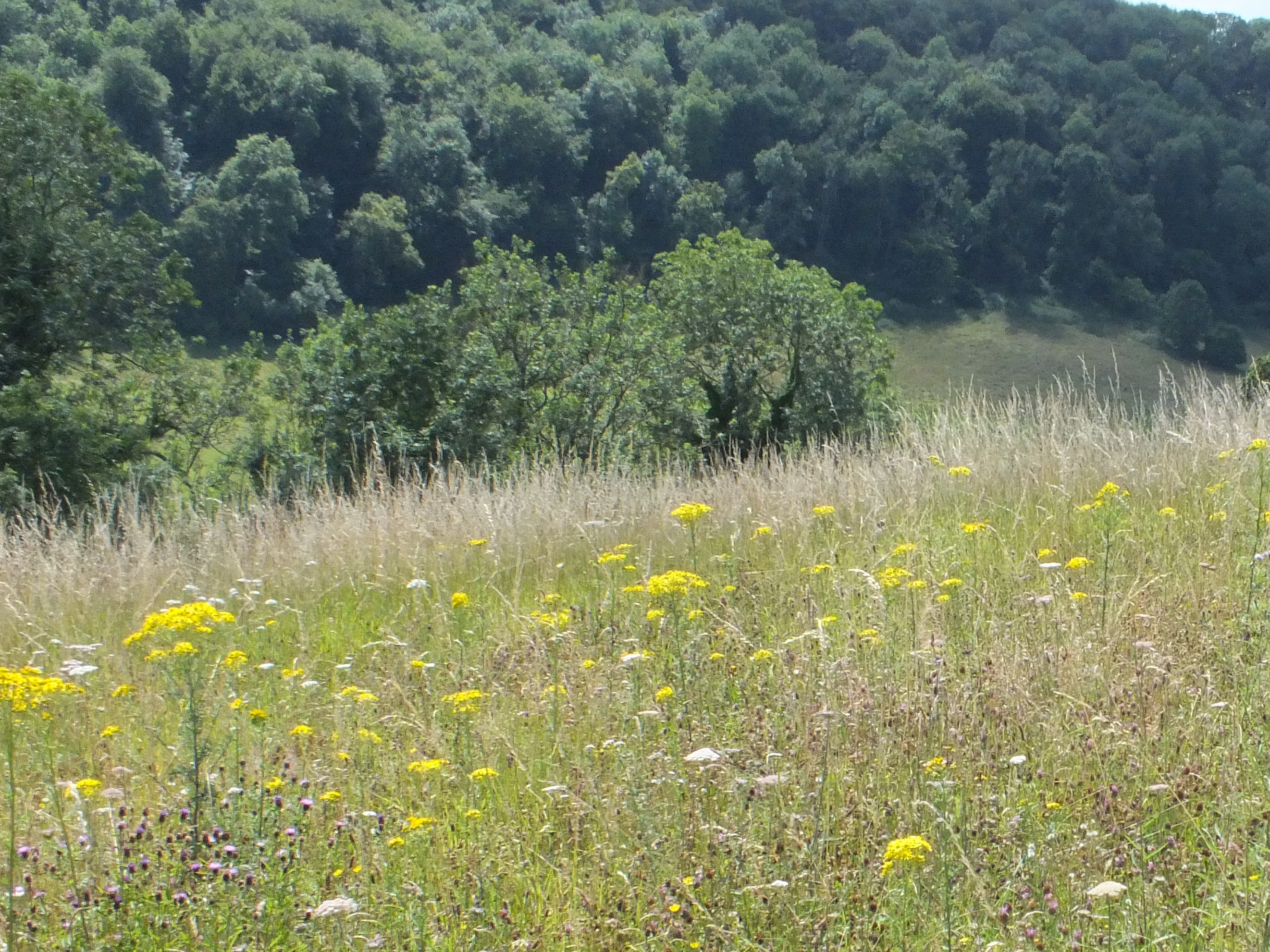
Working with John Anton-Smith to rewild Milk-parsley for the Papilio machaon britannicus (British Swallowtail)
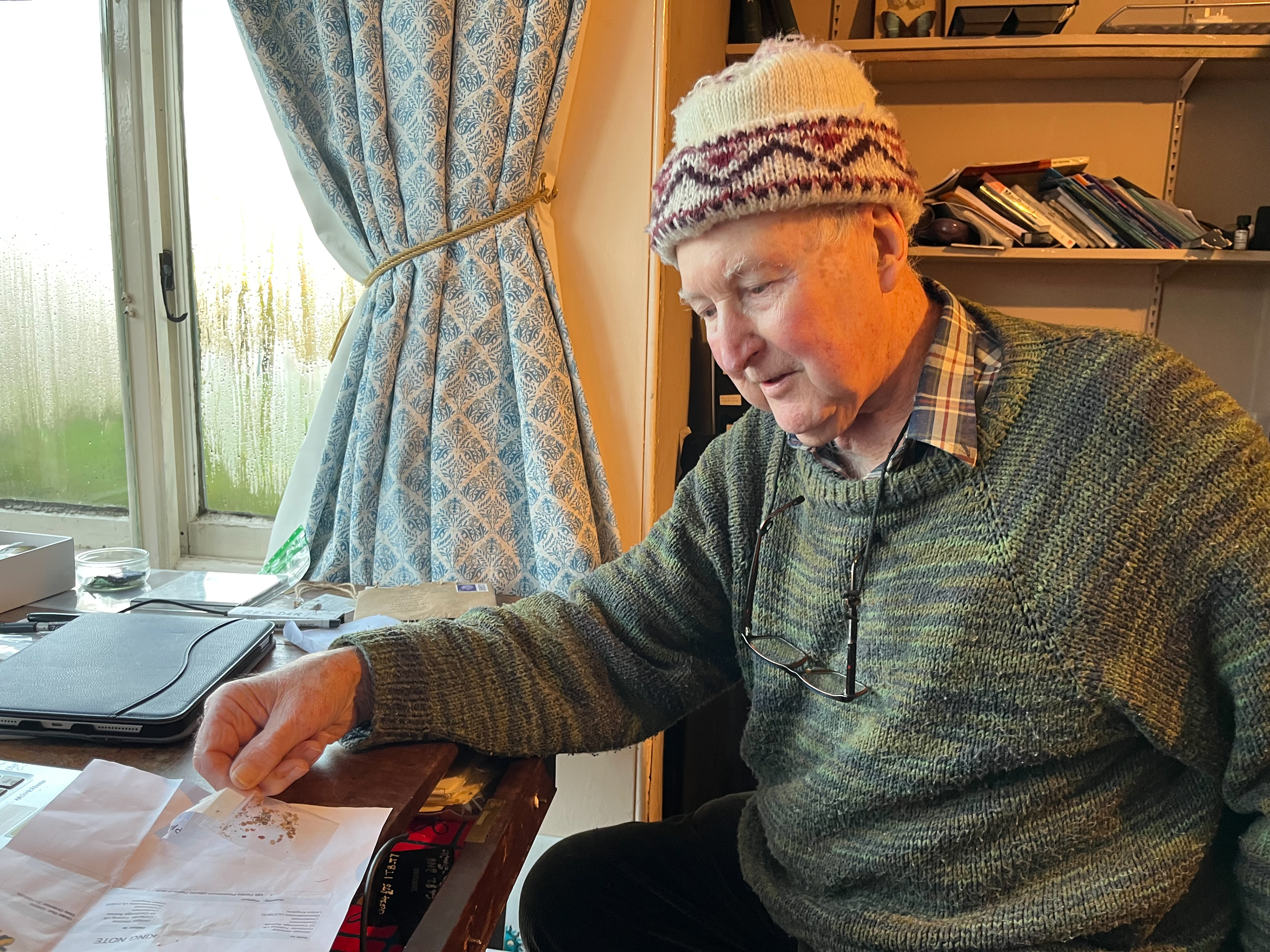
I have known John Anton-Smith for seven years, during which I have acted as his digital support for his various iPads, phones, and computers. I have also helped him catalogue his early life as a botanist and beyond—organising his images, videos, written work, and other material. It has been a pleasure to learn from his reflections on the digital world as well as from his extensive knowledge of botany.
When I began my PhD, I discussed my research direction with John. He was immediately enthusiastic about supporting the survival of the British Swallowtail (Papilio machaon britannicus). He told me that in 2023 he and his daughter had visited Norfolk to see the only remaining native Swallowtail population and its habitat. Unfortunately, they saw neither the butterflies nor much of their environment, and were informed that very little conservation work was taking place to support the species. John found this disheartening. At the age of 93, he felt that such efforts might be too large for him to undertake alone.
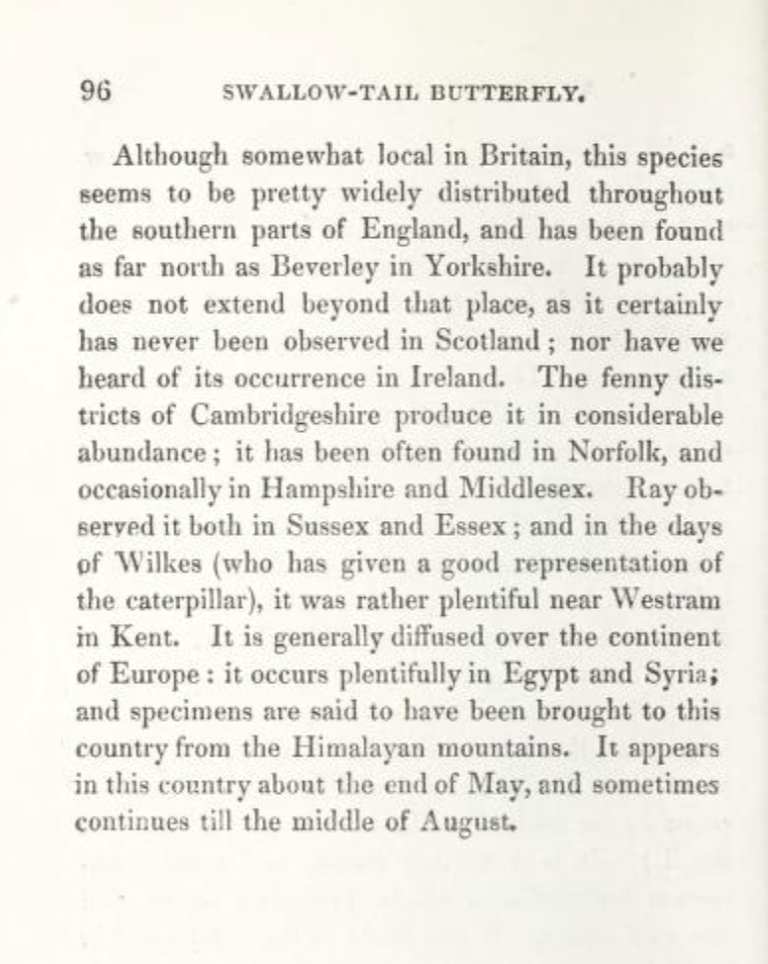
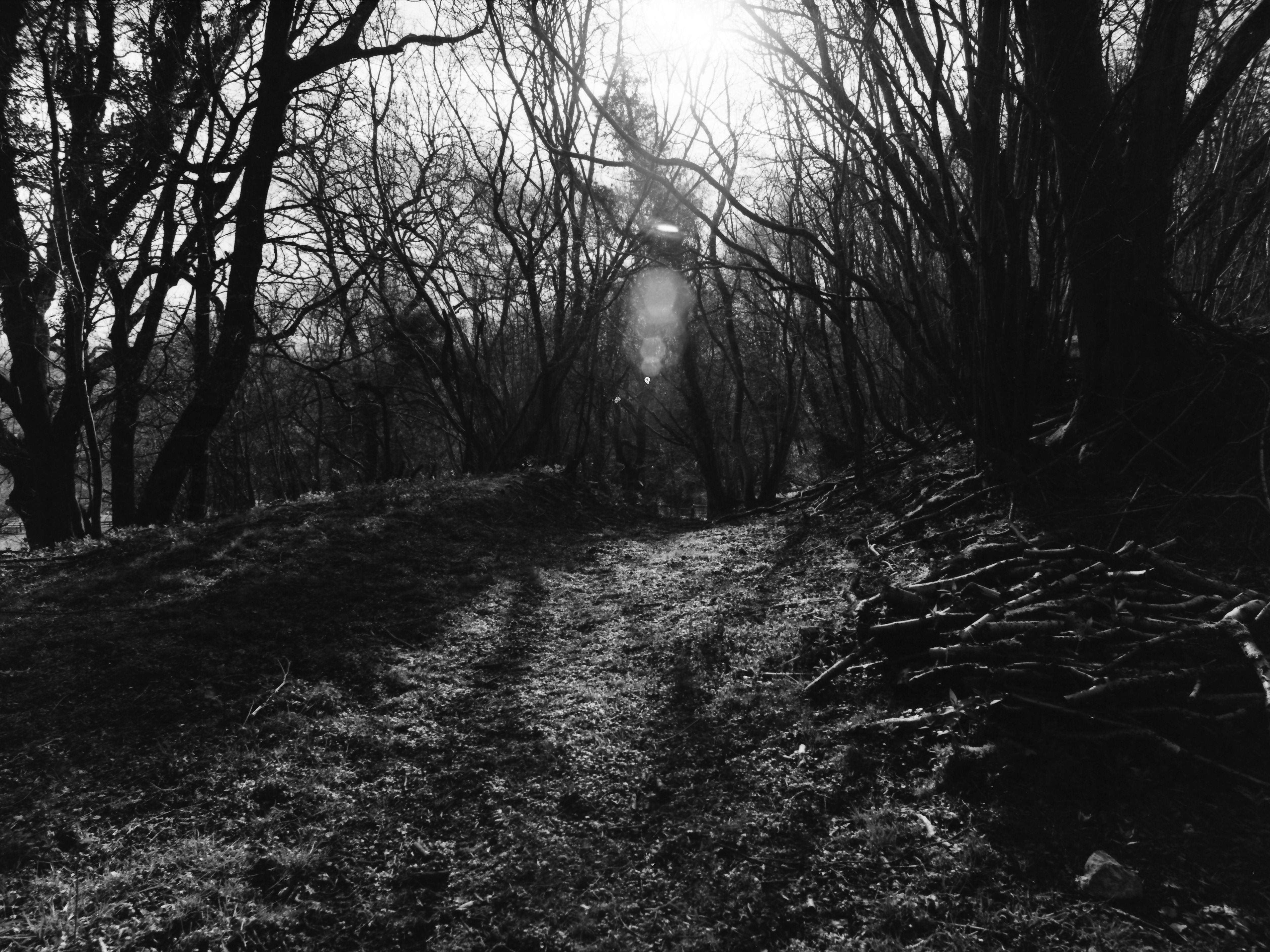
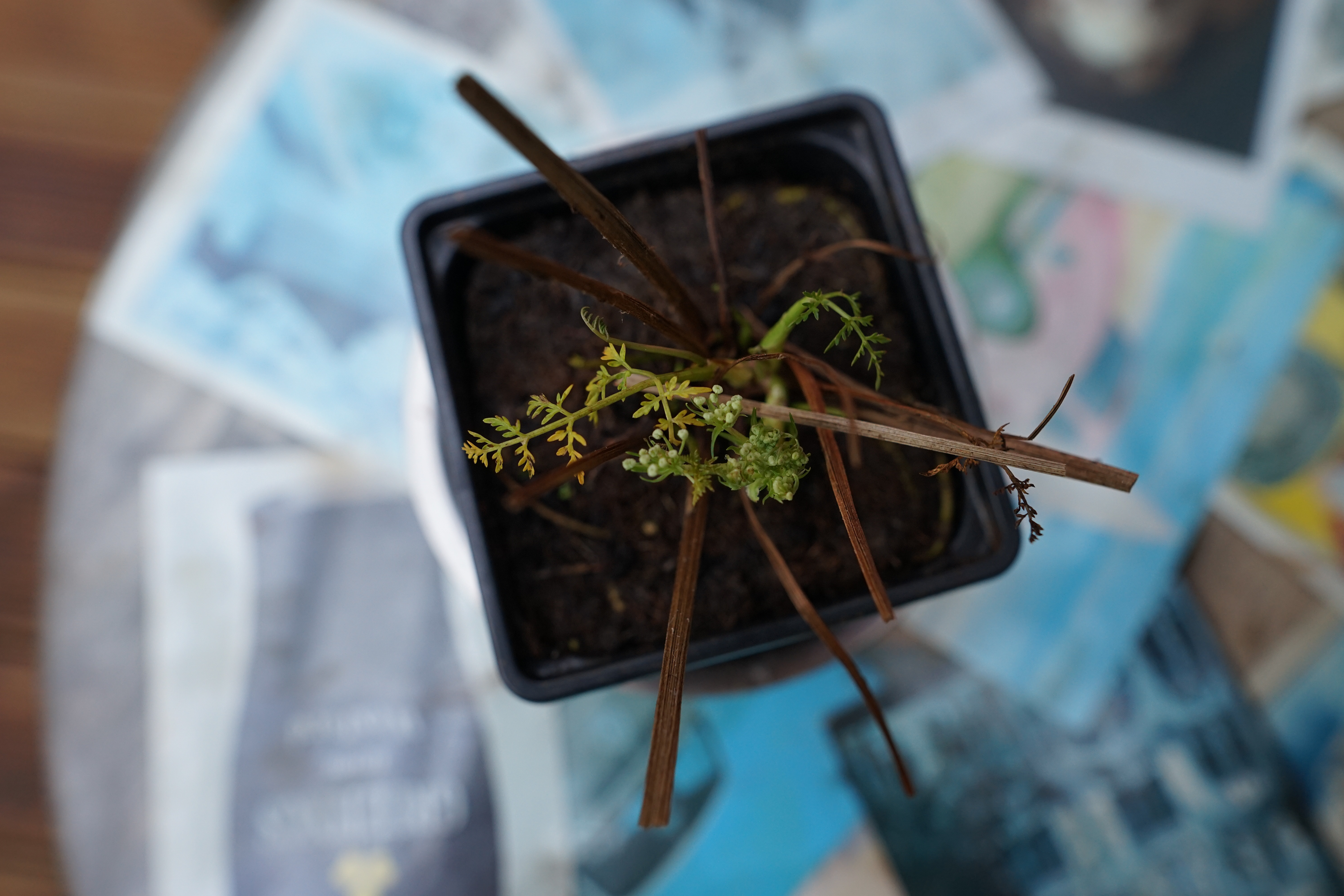
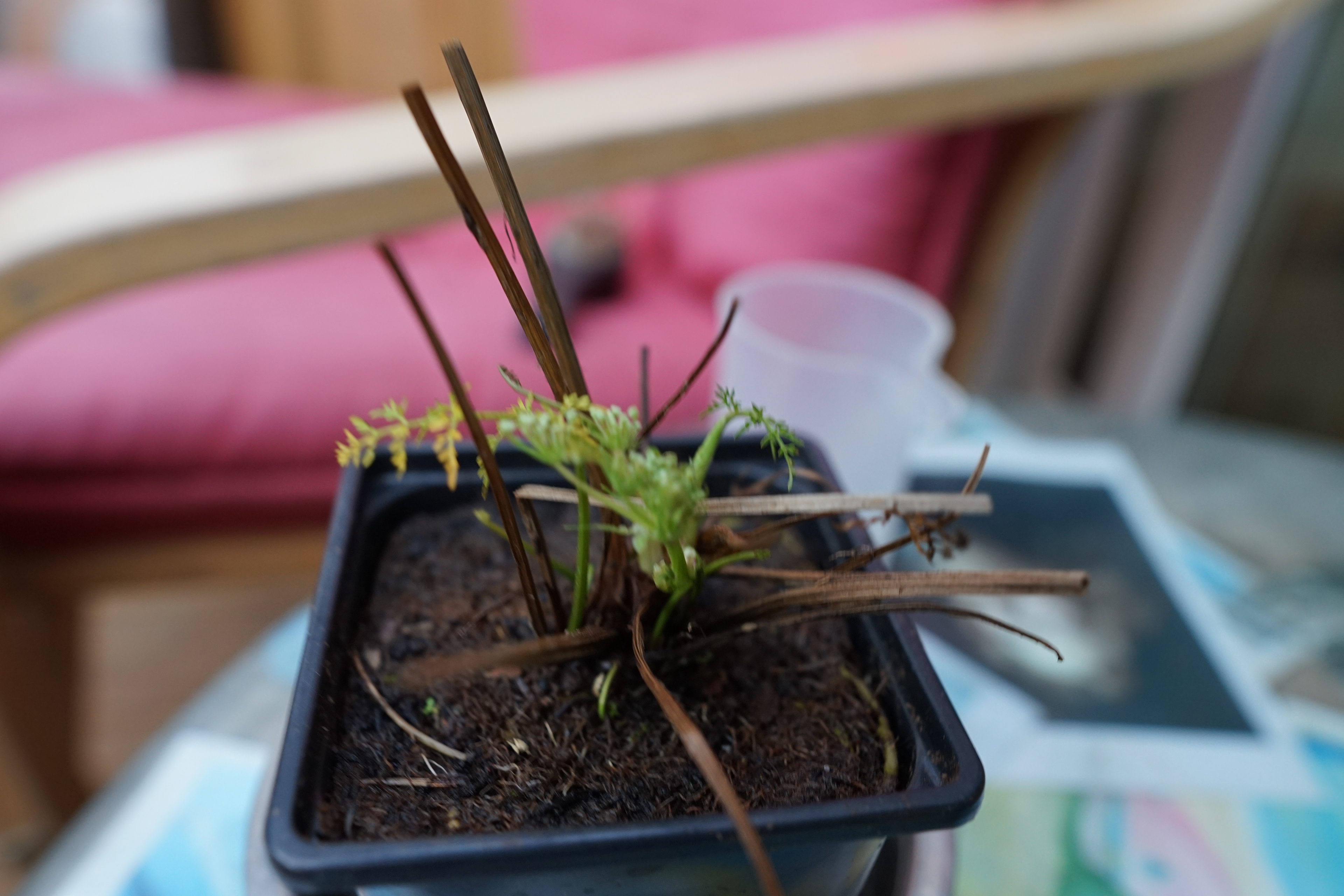
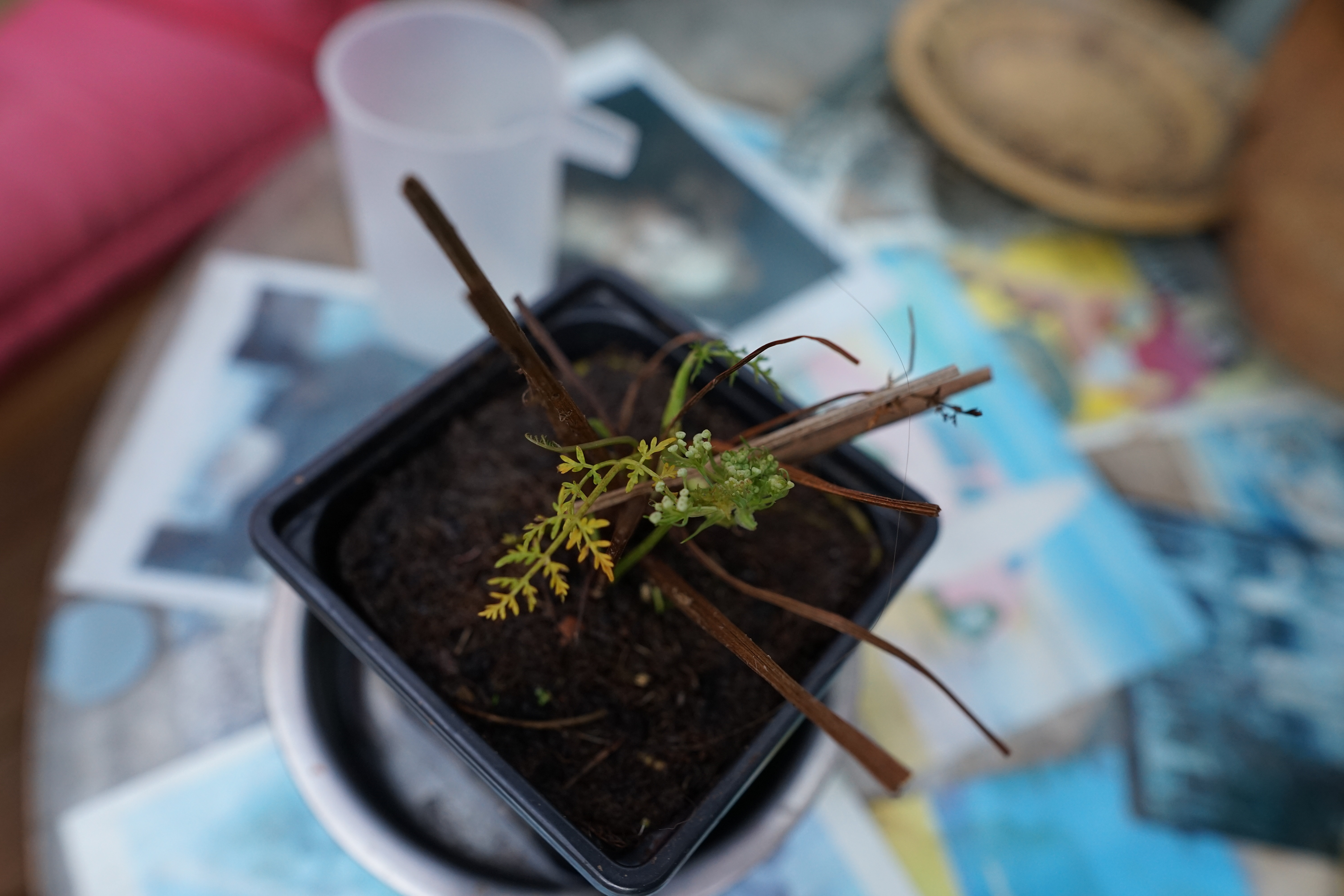
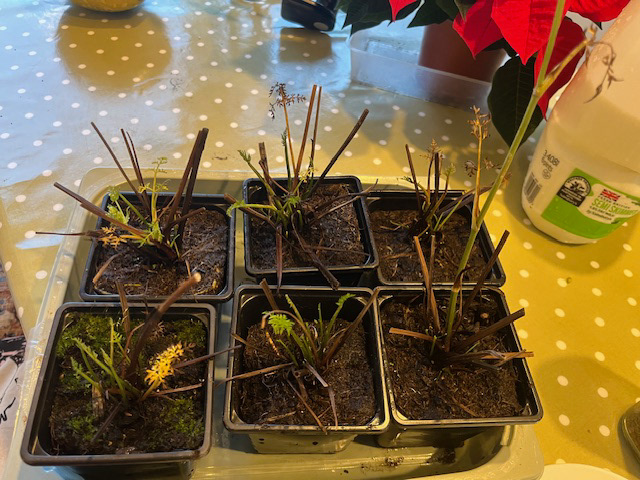
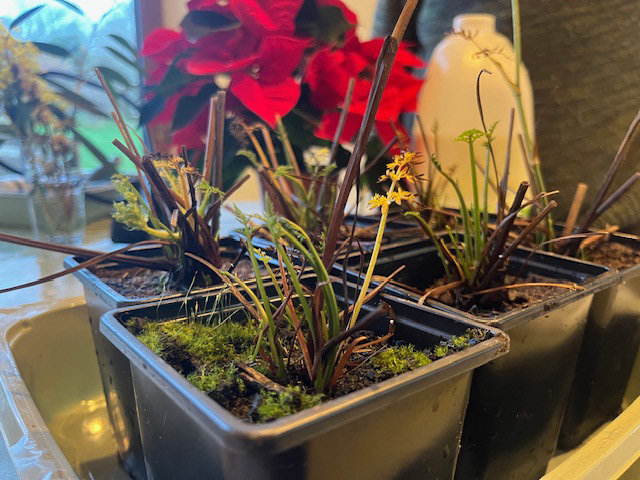
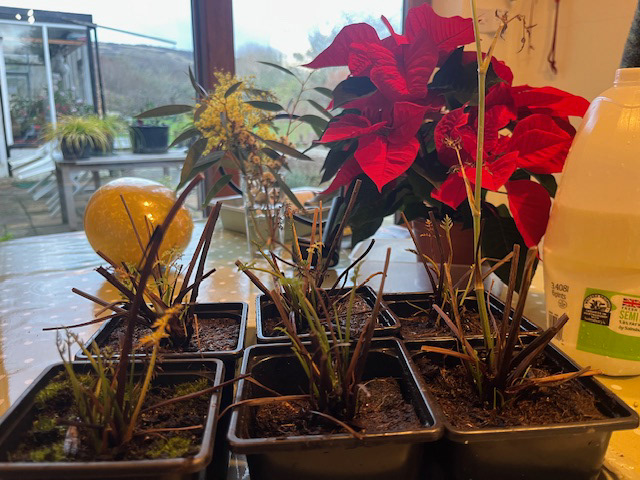
However, in response to my research focus on butterflies and ecological difference-making, John had the idea of cultivating Milk-parsley—the larval food plant of the Swallowtail caterpillar. The aim would be to create a suitable habitat and potentially reintroduce the species into the Gloucestershire area, specifically around Prestbury, Cheltenham, where John owns land. He recalled seeing references in older publications that Swallowtails once thrived in this region, and he wanted to understand both why they disappeared and what might be done to restore them.
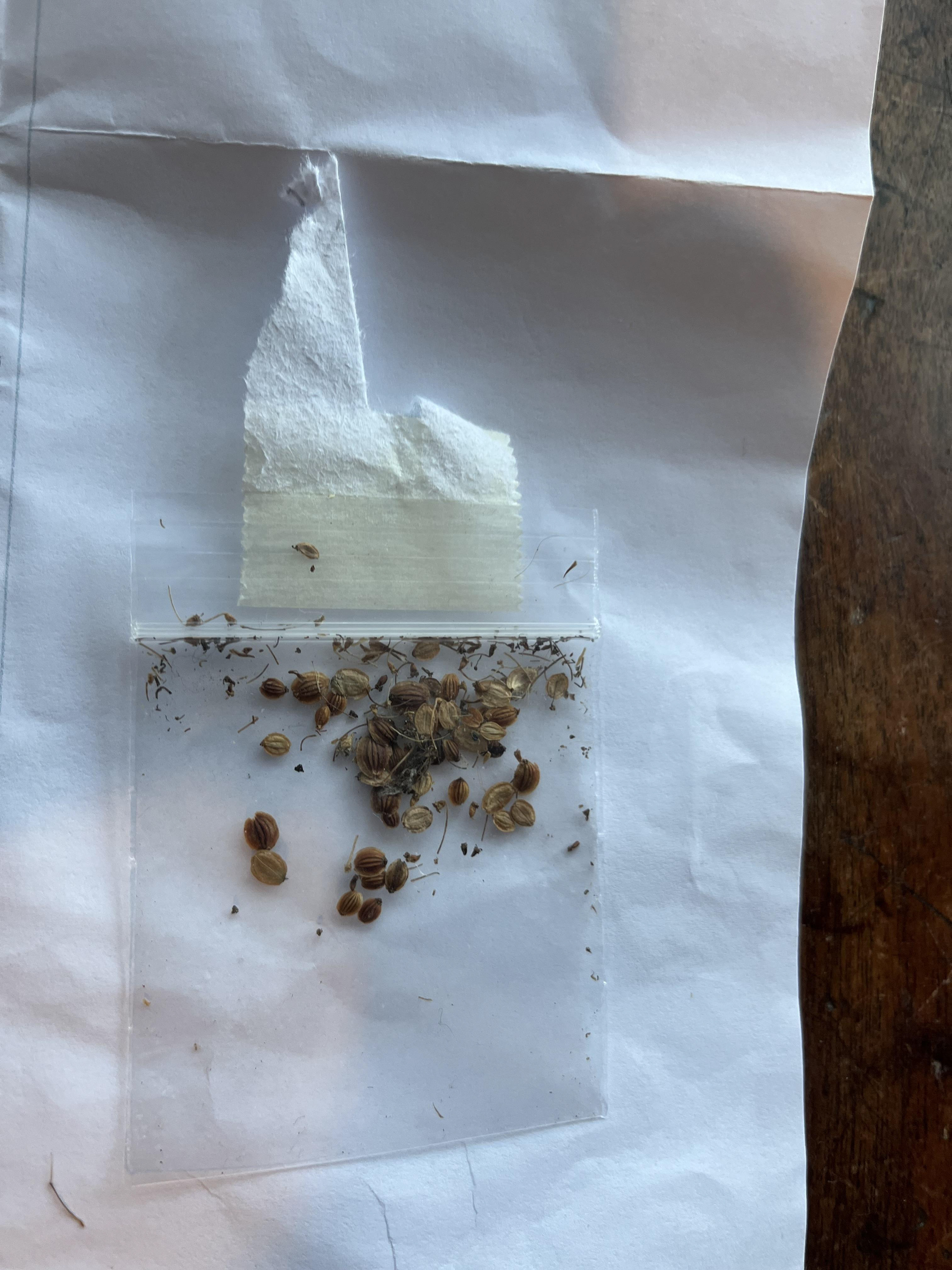
Our first step was to purchase Milk-parsley seeds from the Worldwide Butterfly website (wwb.co.uk), which have now arrived. John plans to attempt germination both now and again in March. With his botanical background, he is keen to test various propagation methods, despite the challenges posed by Milk-parsley being a biennial species.
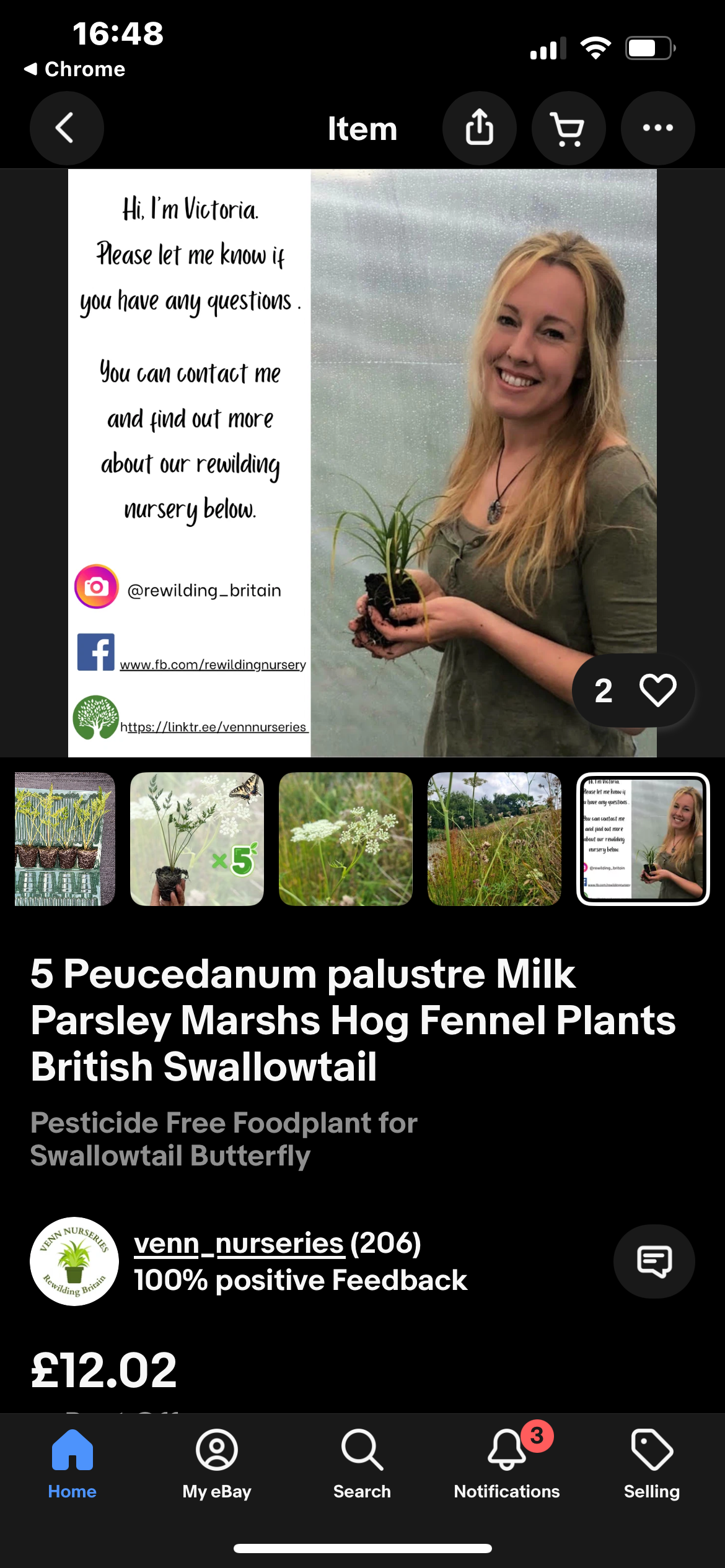
In the process of exploring further plant sources, we discovered a nursery in Devon: Venn Nurseries, who specialise in rewilding and native species propagation. Their public statement reads:
“At our nursery, we grow and sell native plant species to support rewilding and conservation projects across Great Britain. Our passion for nature drives us to contribute to the recovery of ecosystems damaged by human activity… [etc. — I will keep this as a block quotation if quoted in the journal].”
I spoke with Victoria Hillsdone, the owner of Venn Nurseries, who has initiated a rewilding programme on her estate in Devon, reintroducing native species. She currently supplies nearly 100 native plant varieties, including cowslip, yarrow, and betony, for clients across Great Britain. We have arranged to buy Milk-parsley plants from her current propagation efforts for John’s project, making use of the stream in his garden as a potential micro-habitat. This is still in early development, and I intend to document the process photographically and analytically as part of the research—for both John’s rewilding efforts and for my PhD narrative.
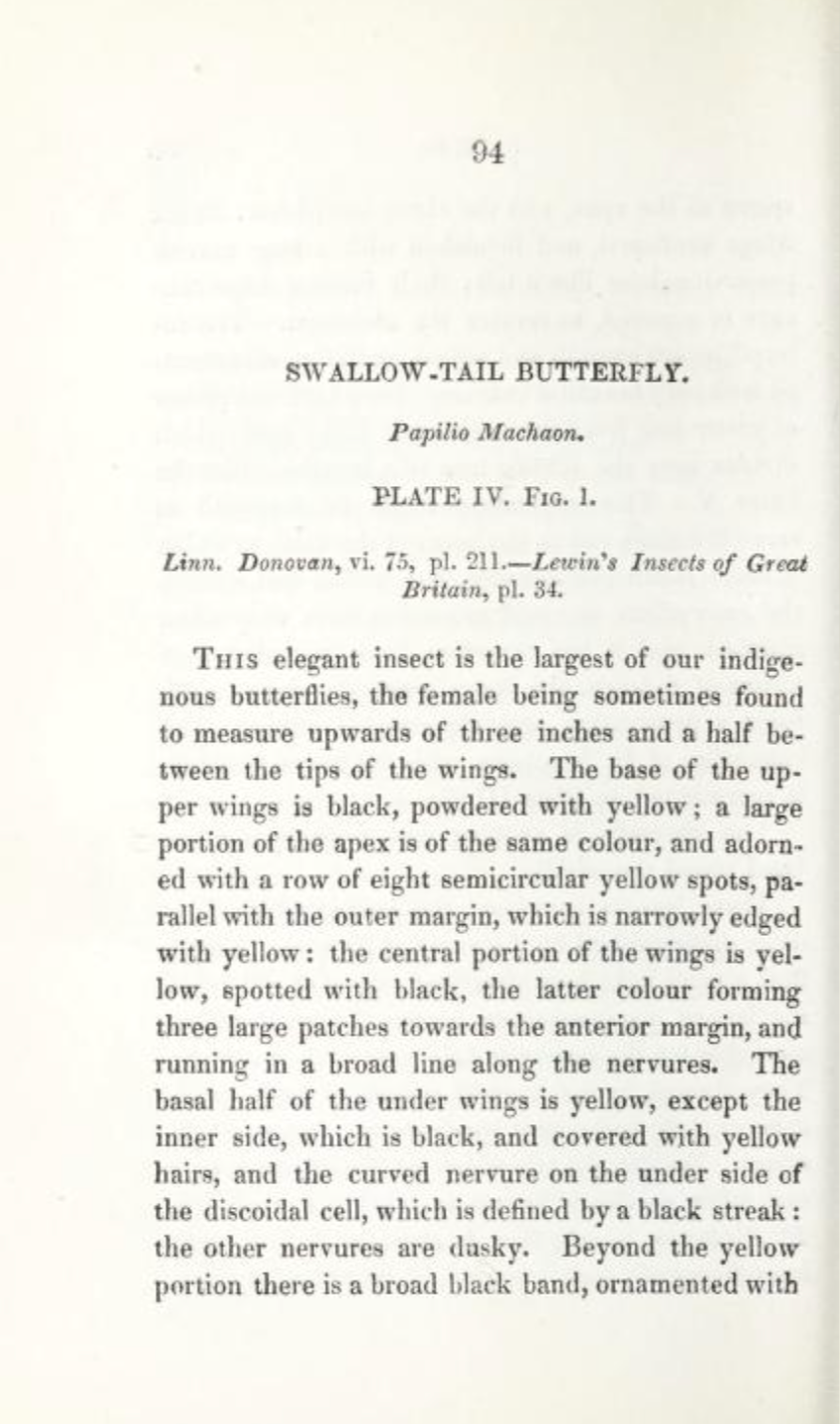
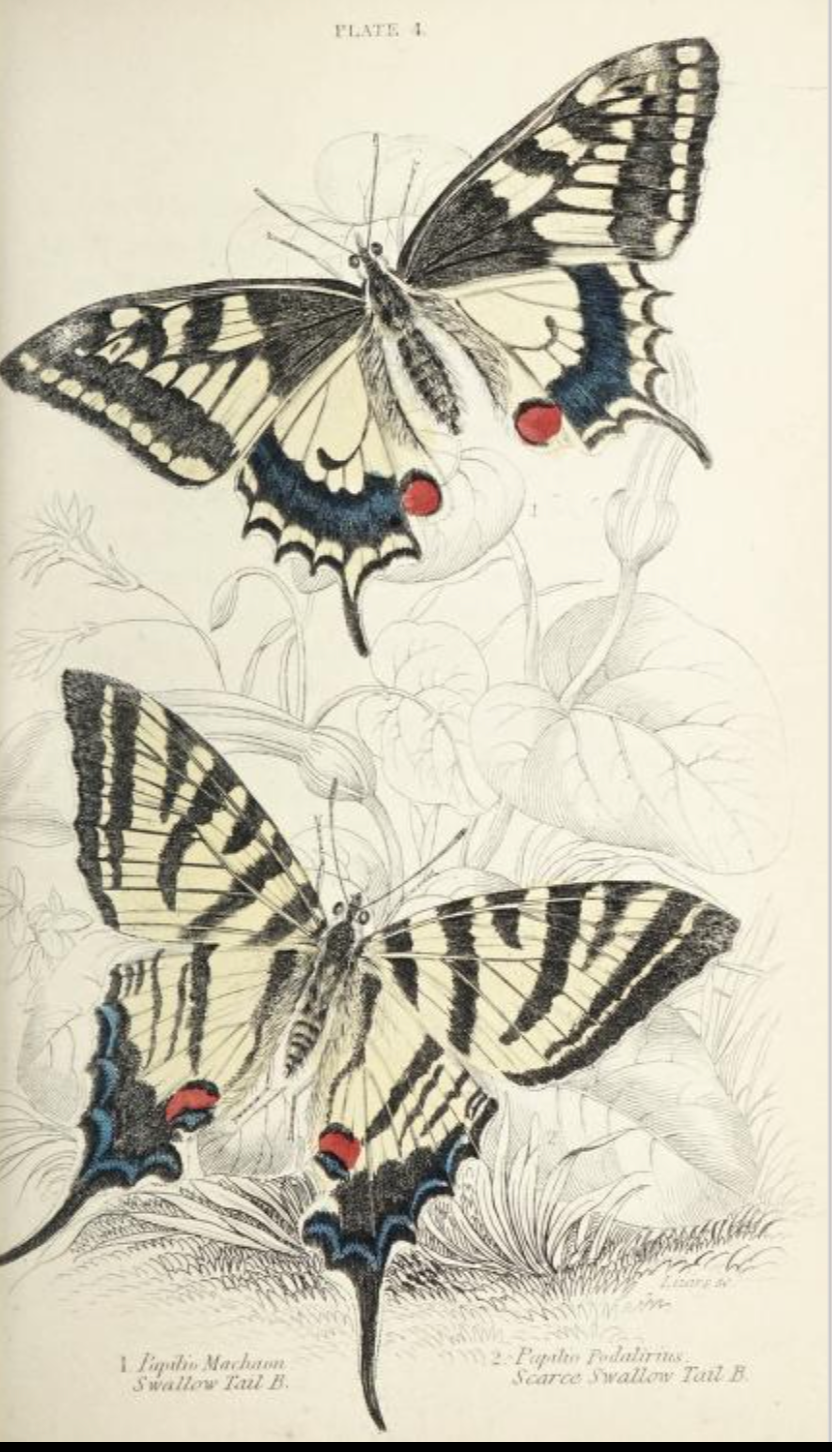
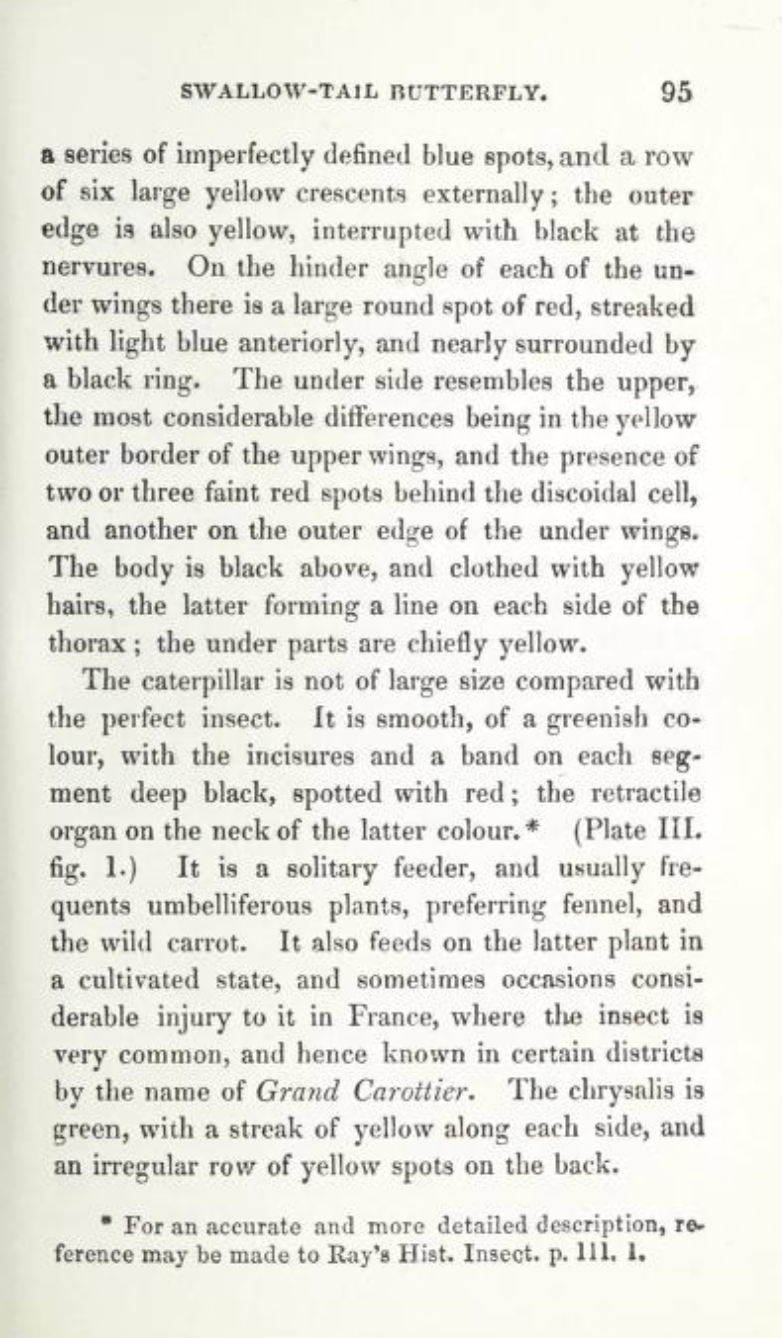
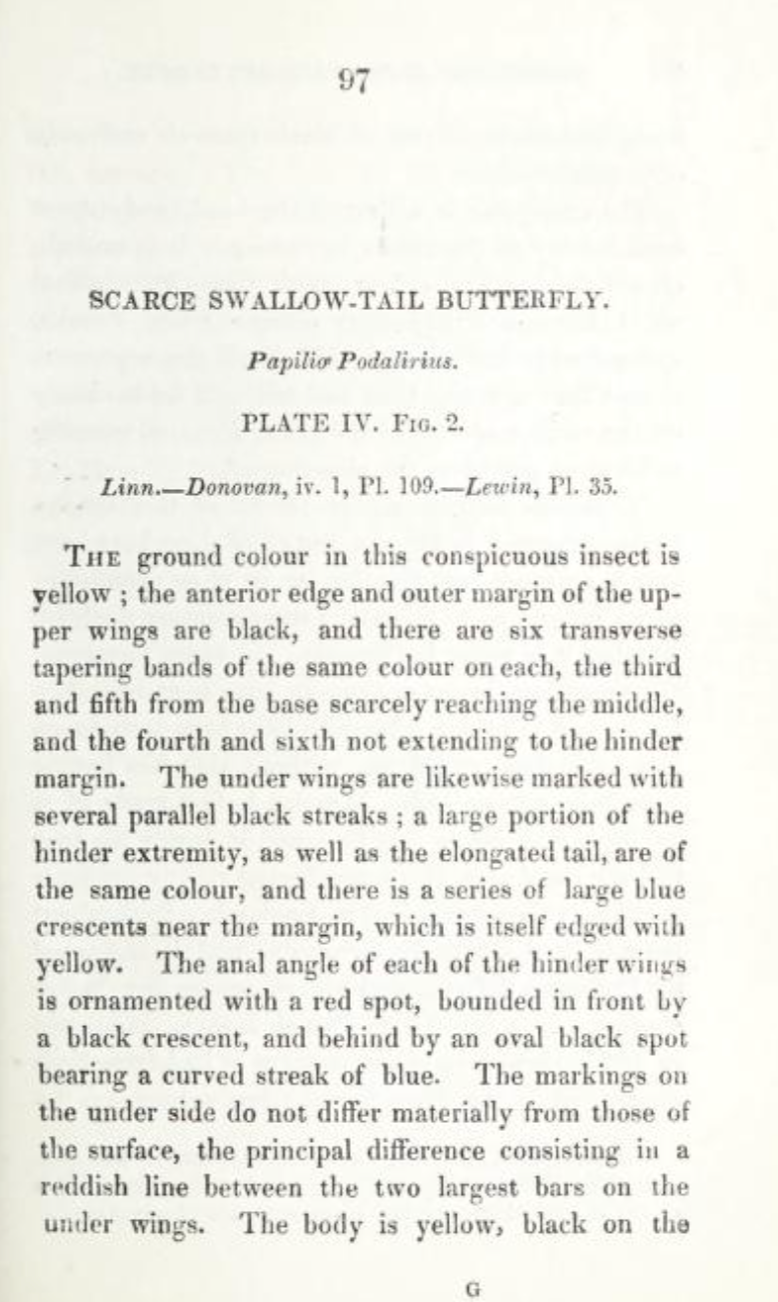
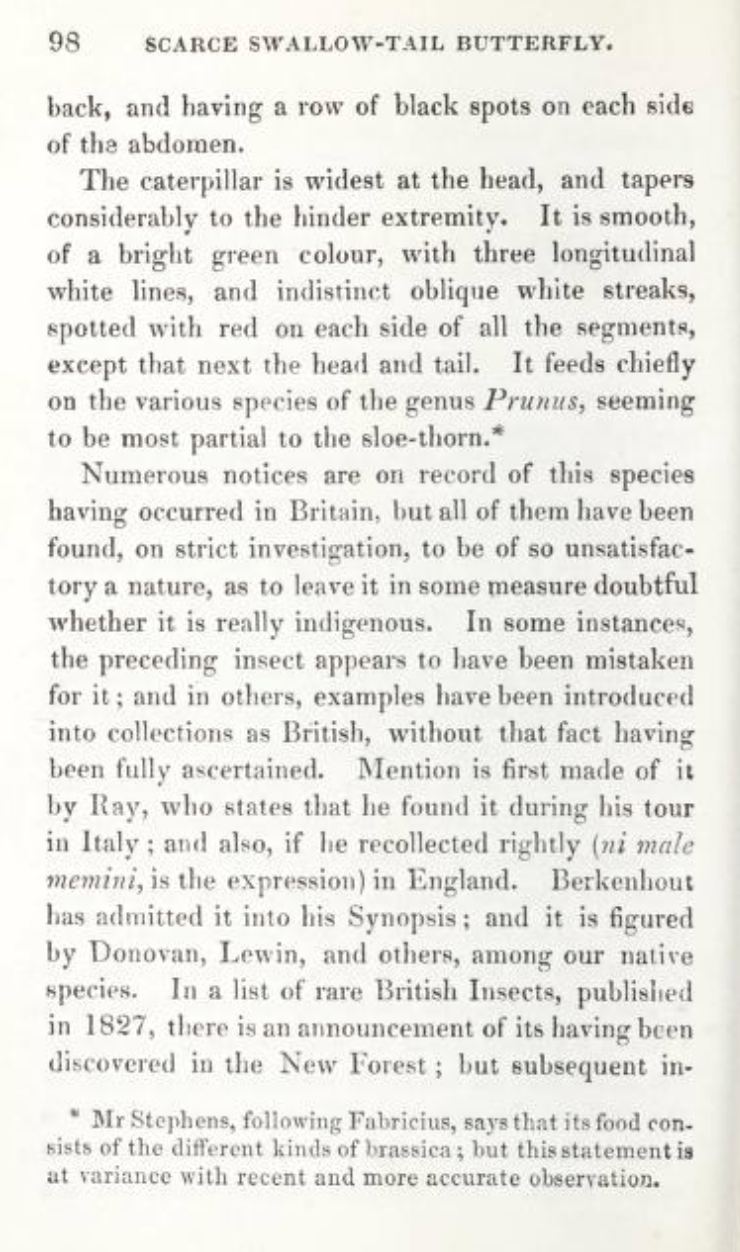
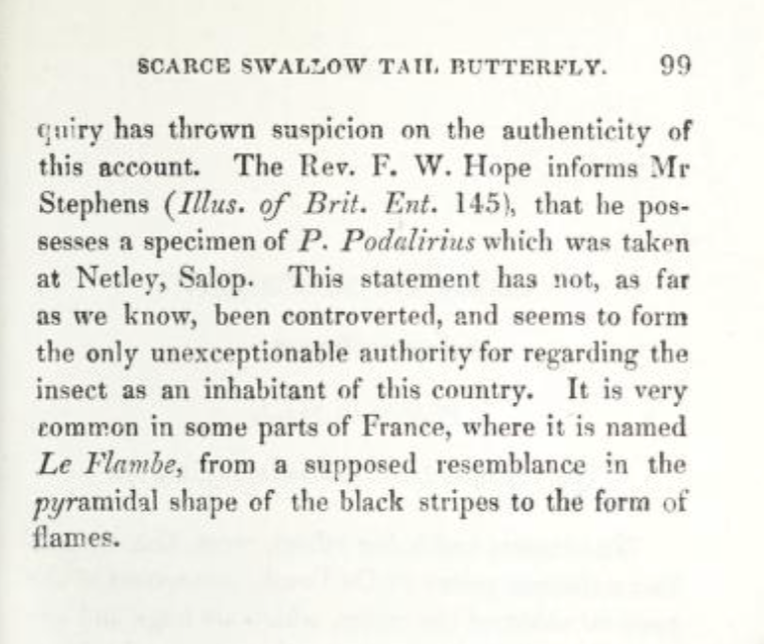
Whilst researching historical distributions of British butterflies, I discovered older texts that mention the Swallowtail as once common in many more regions of the UK, rather than only Norfolk. These sources were found through the Internet Archive—a remarkable digital library that has catalogued thousands of historical publications. It is proving invaluable for my research into historic British landscapes, lepidopteran distribution, and visual-ecological heritage, as well as providing access to beautifully illustrated botanical and entomological plates.