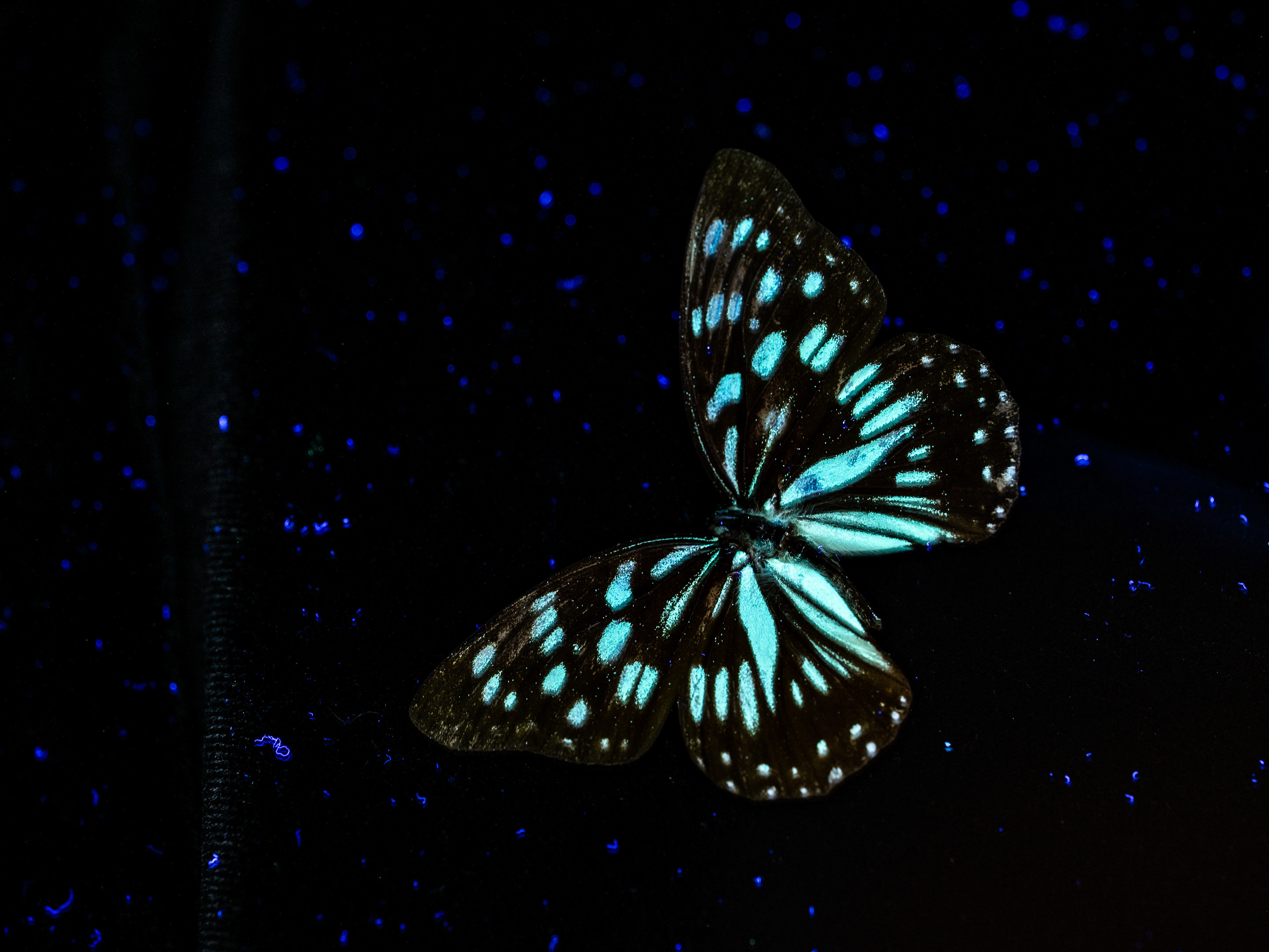
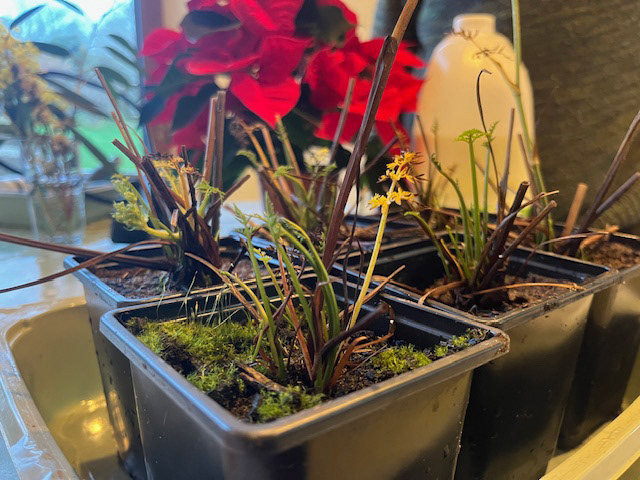
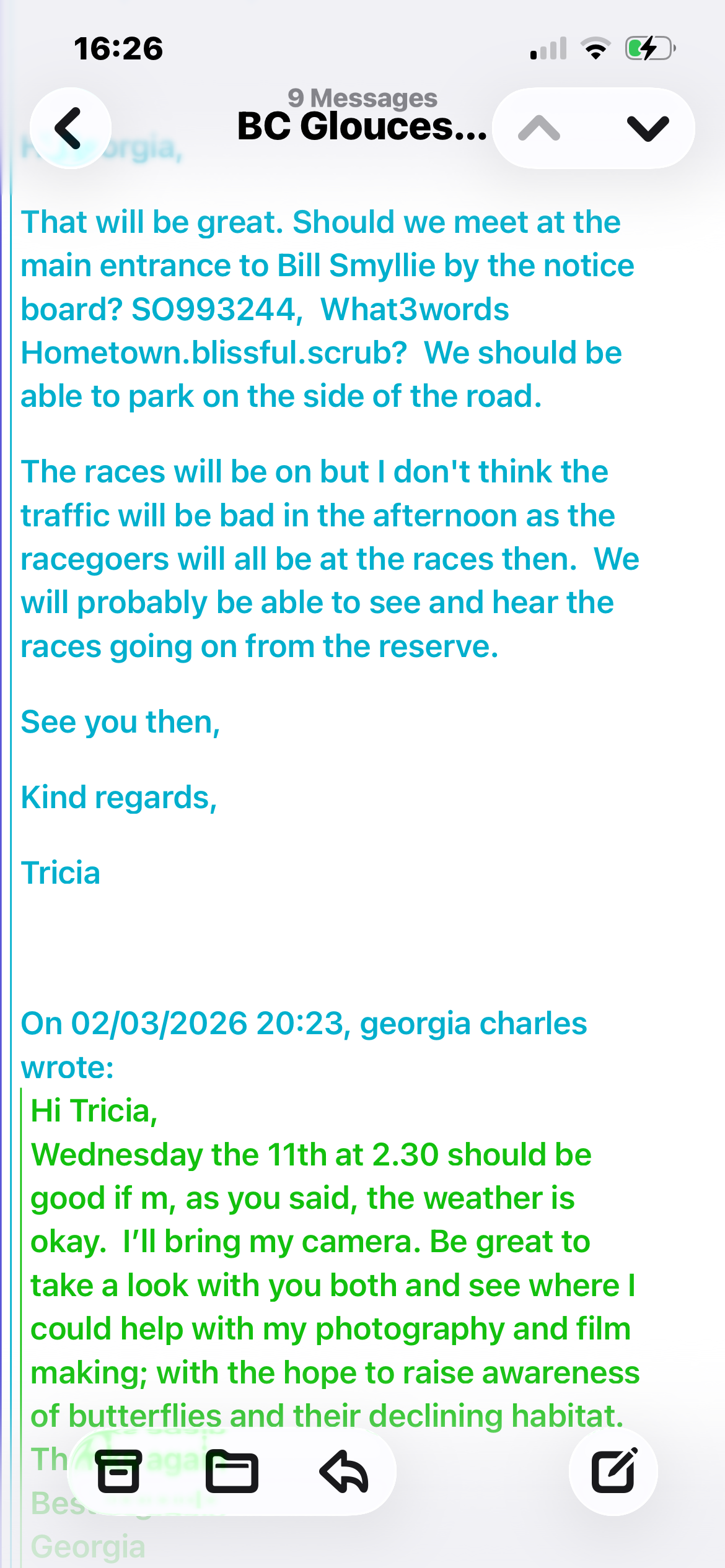
Getting in touch with With Prestbury butterfly conservation they have been very helpful and have offered me a chance to interview the local managers of the BC of Gloucestershire. They offered to meet me up at the Bill Smyllie Reserve in Prestbury cheltenham. This has been a reserve since the 1990s kindly donated by Bill Smyllie . I have offered to help them with their photography and film for the area.
I plan to meet next week, weather permitting to have a look at the reserve and have a talk with Trisha and Ken who are part of the local reserve. March 8th 26
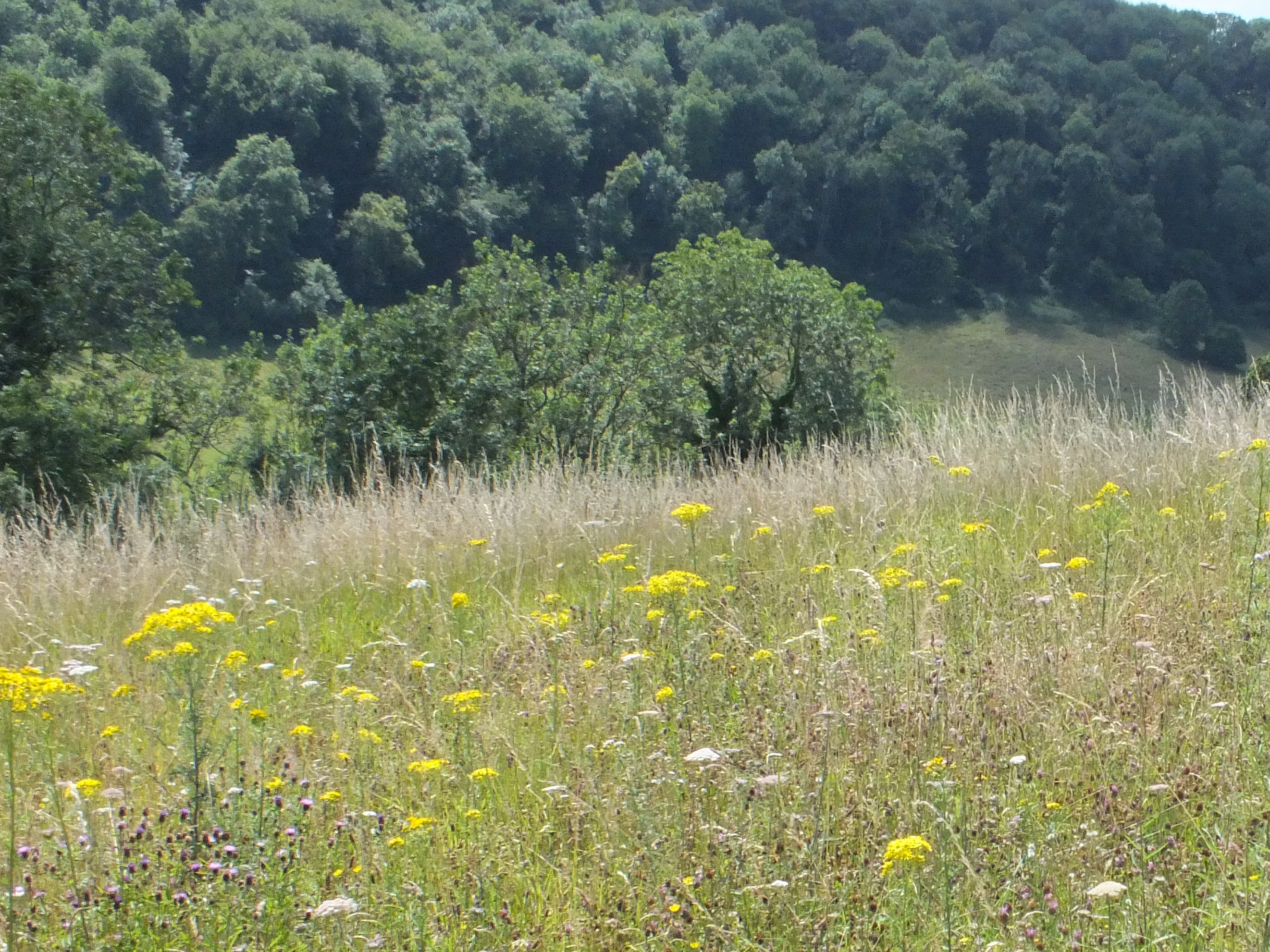
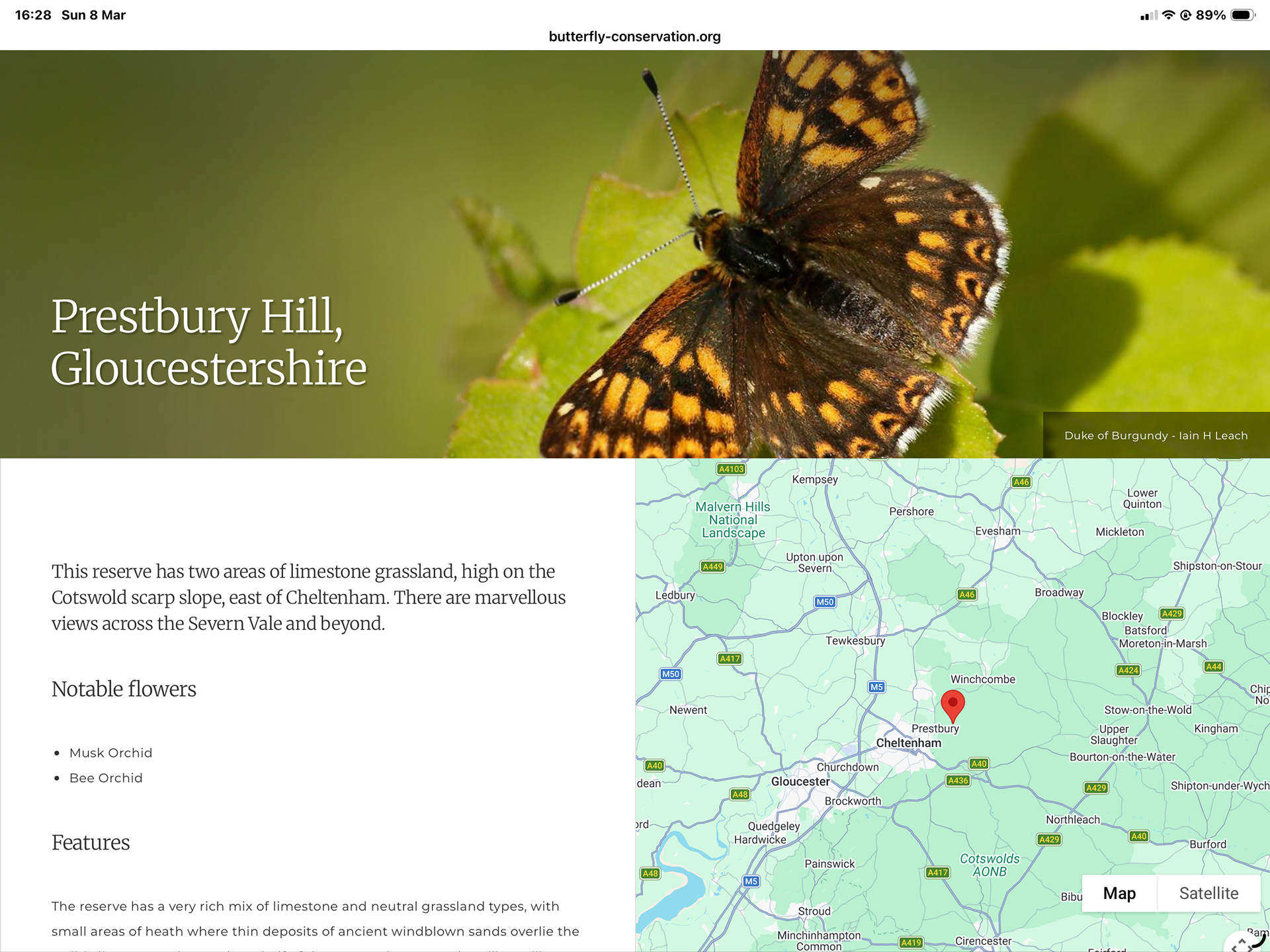
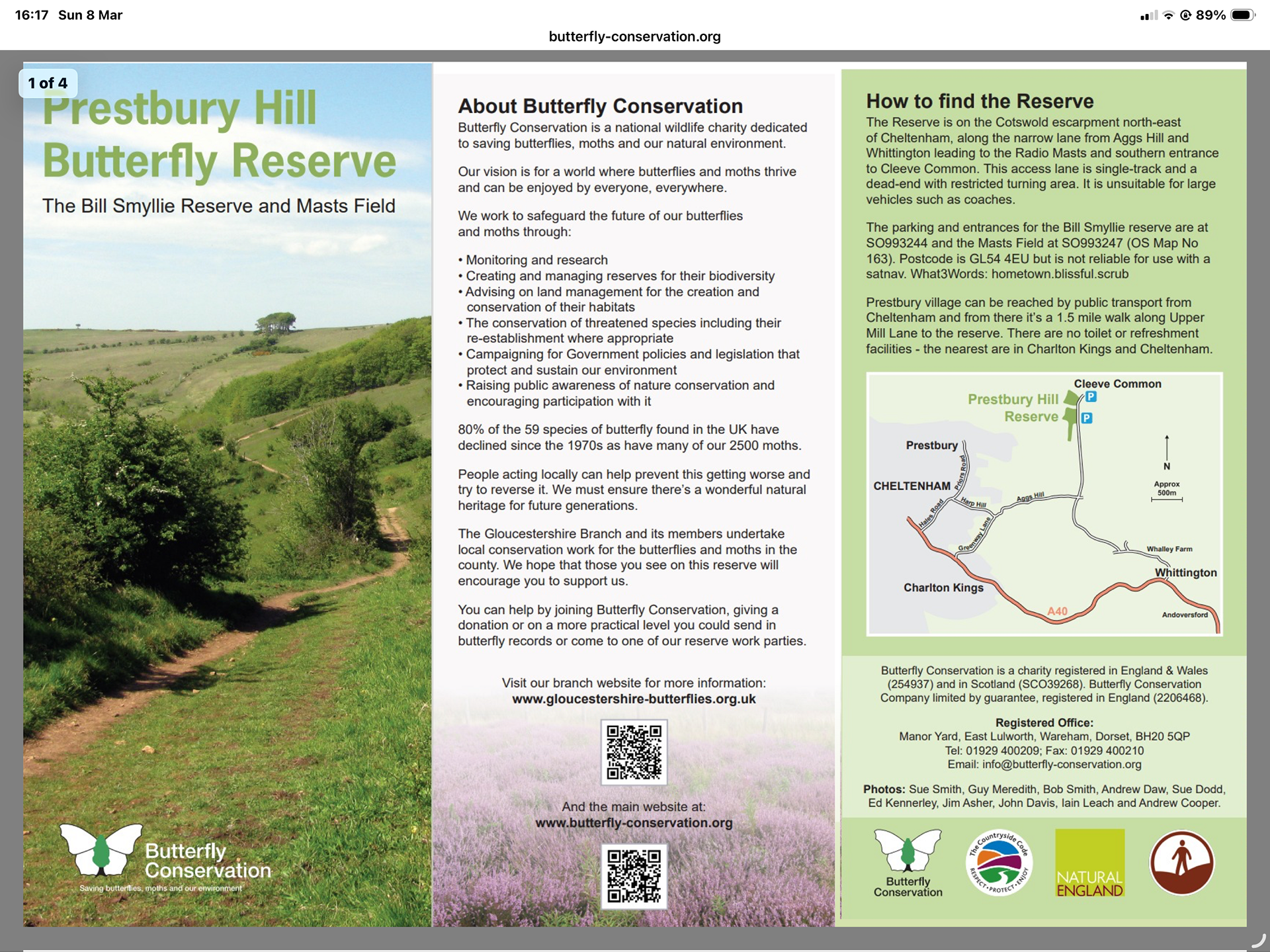
This reserve has two areas of limestone grassland, high on the Cotswold scarp slope, east of Cheltenham. There are marvellous views across the Severn Vale and beyond.
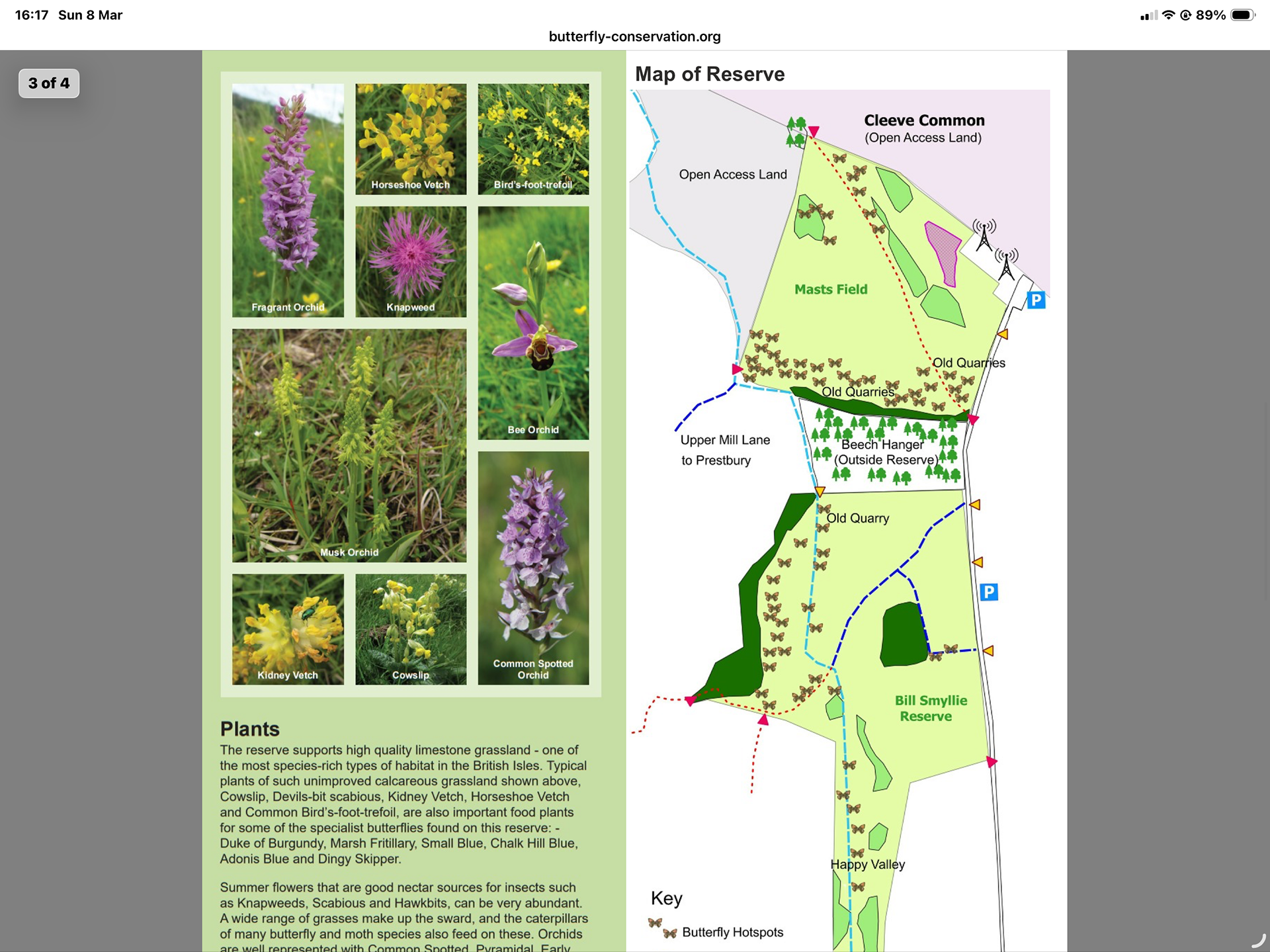
Notable flowers
Musk Orchid
Bee Orchid
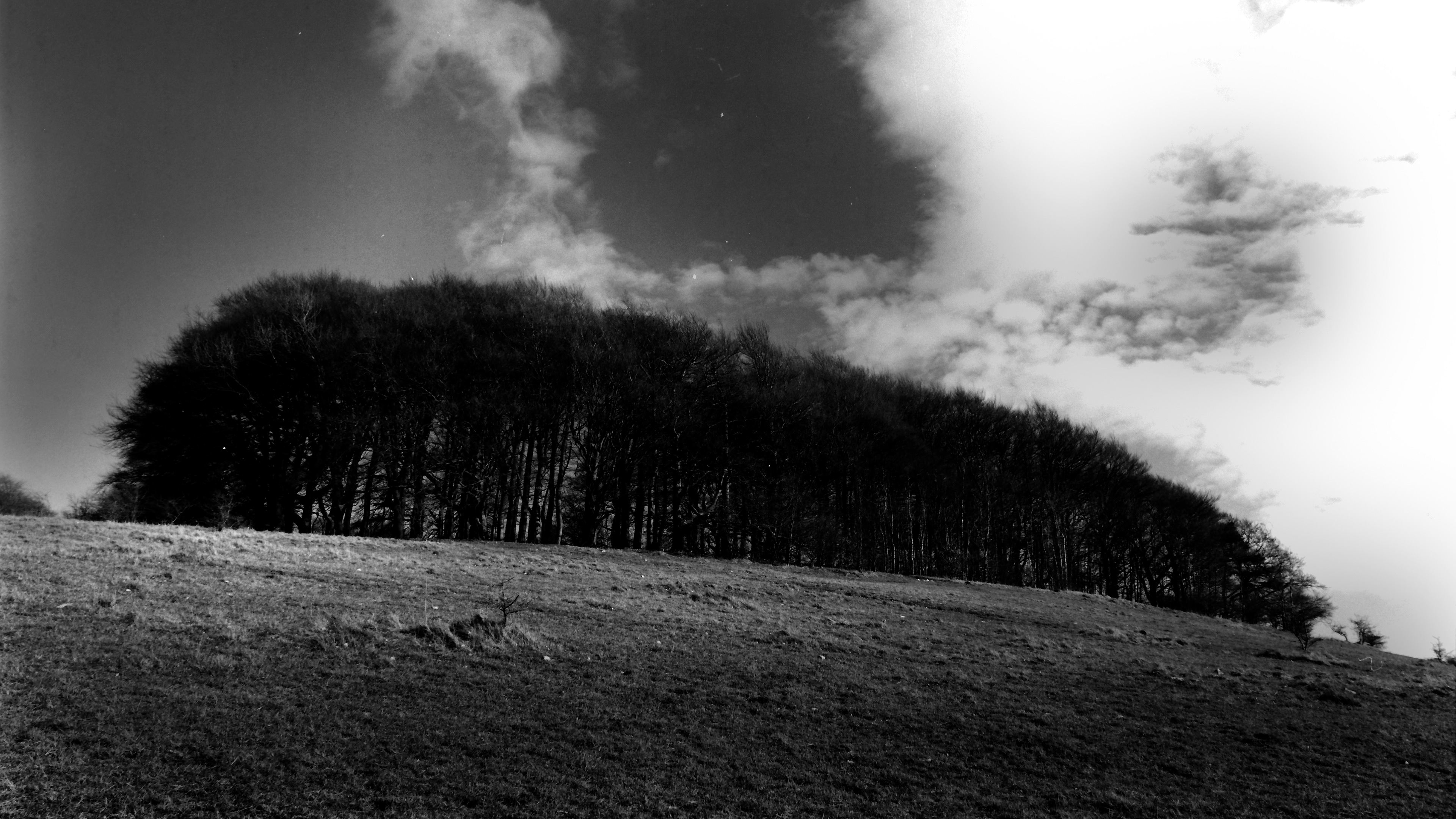
Prestbury reserve med format images forest- infrared film
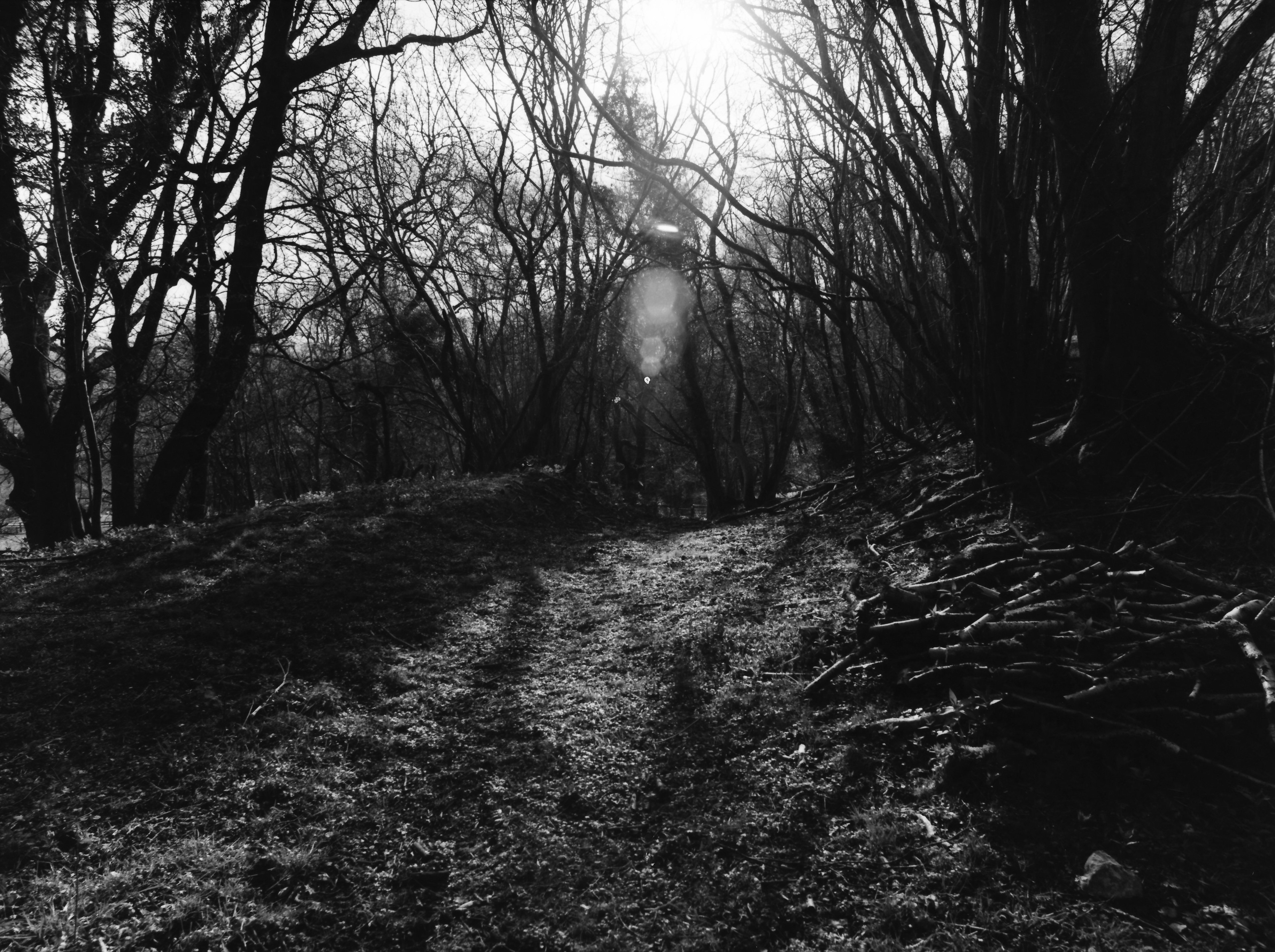
Prestbury reserve med format images woods- infrared film
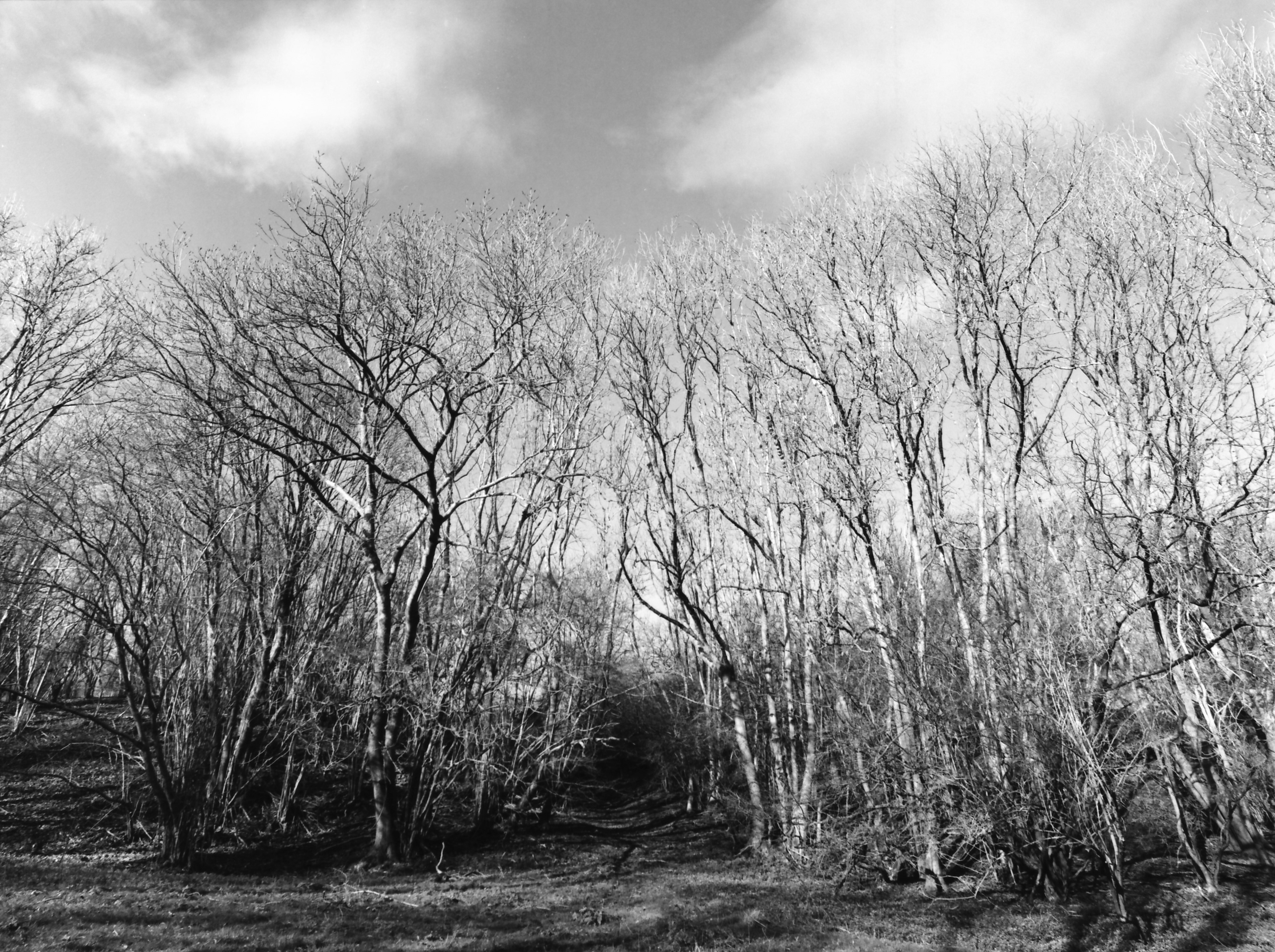
Prestbury reserve med format images treescape- infrared film
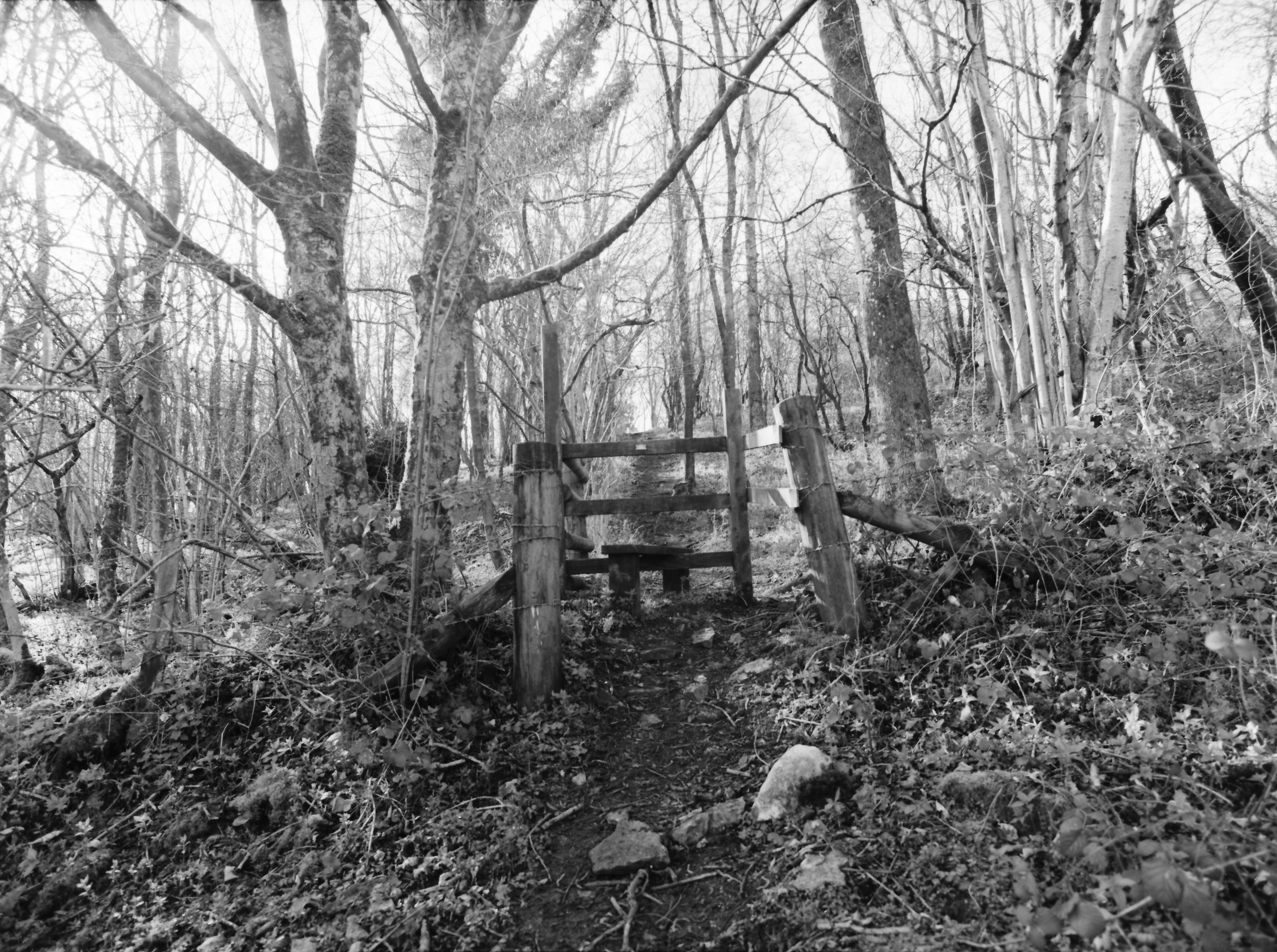
Prestbury reserve med format images gate - infrared film
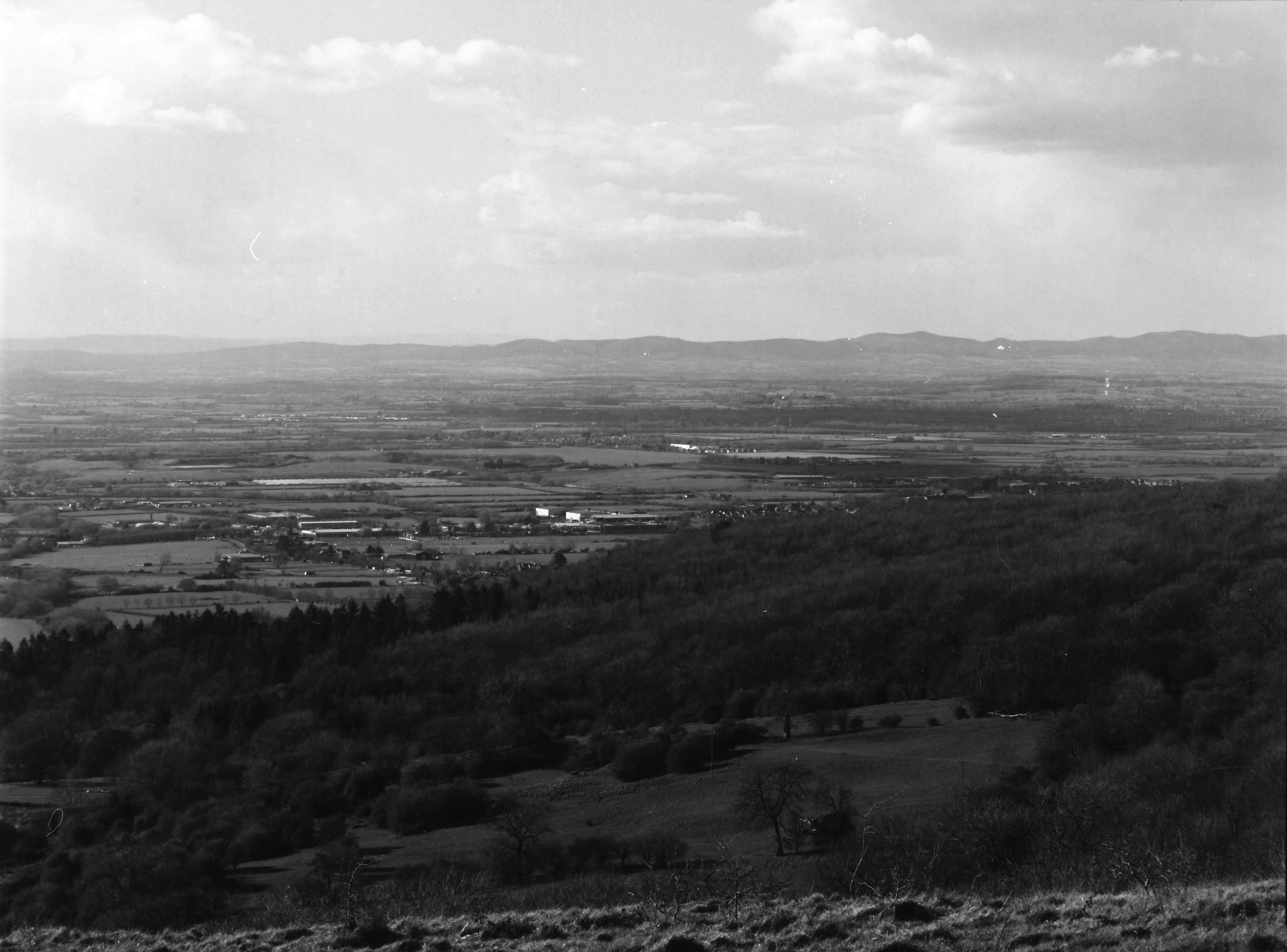
Prestbury reserve med format images view
Prestbury reserve med format images (this one got corrupded after converting to digital)
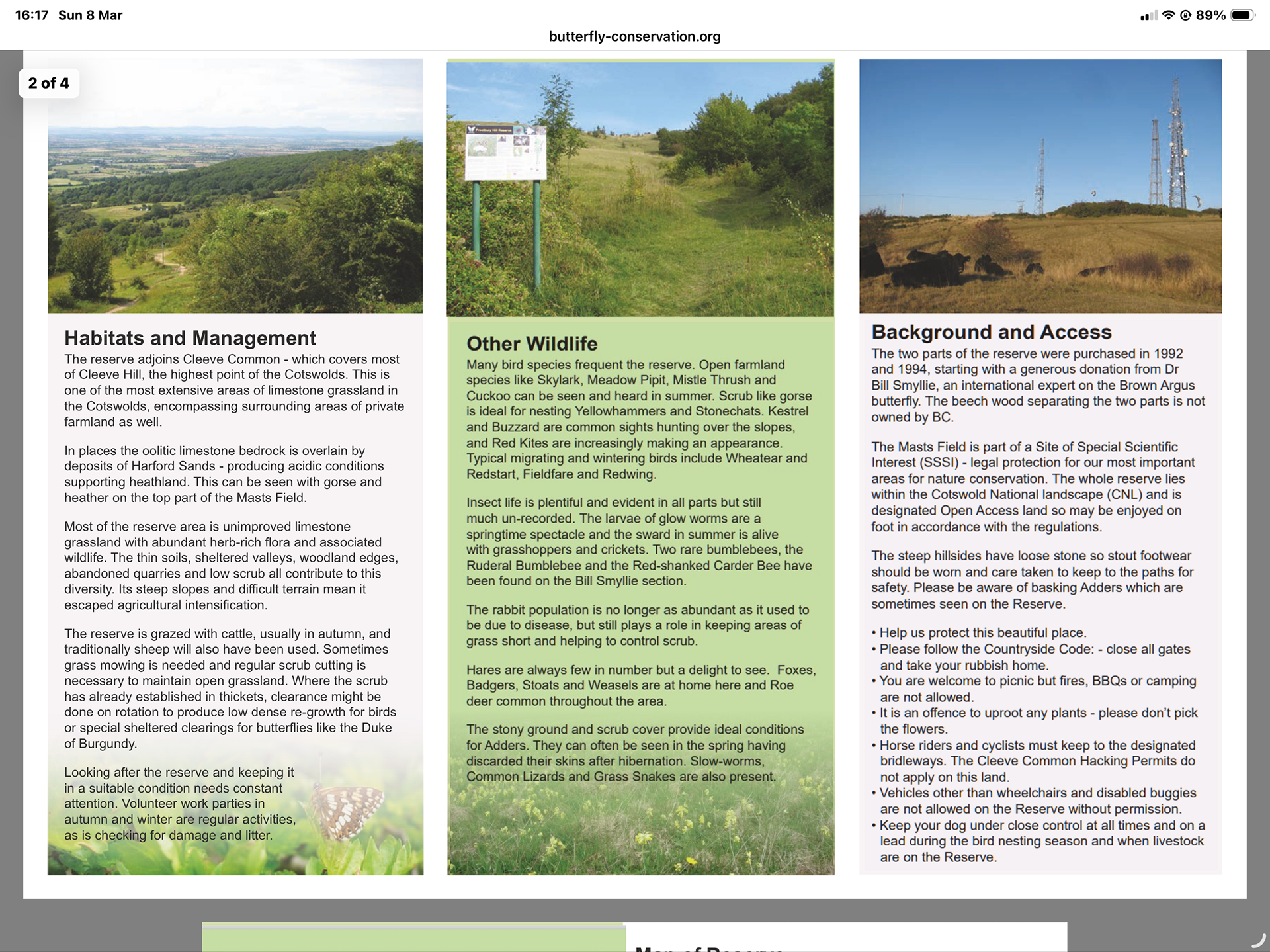
Reserve booklet and iphone macro images
winter at the rerserve

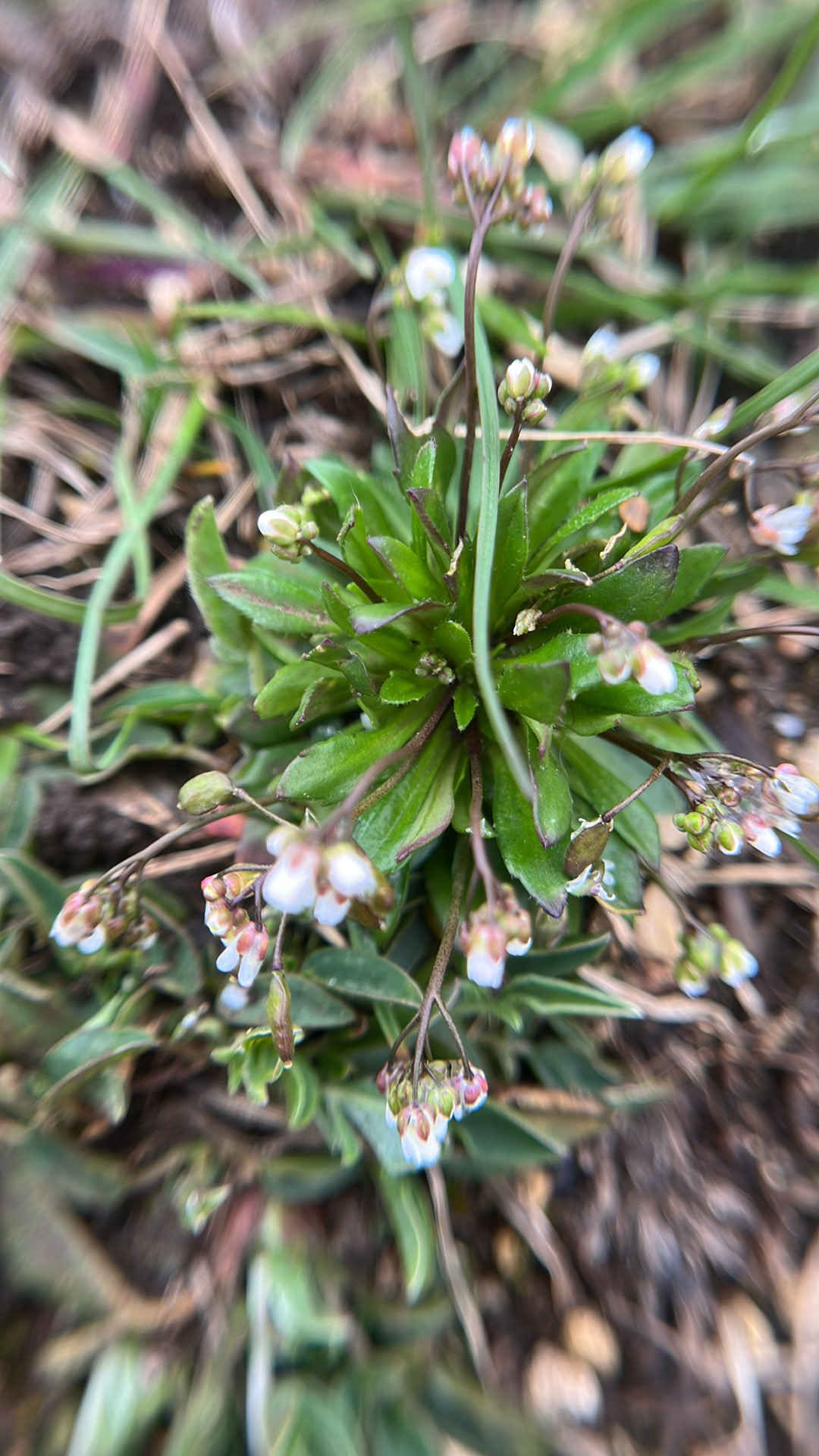
Spring draba
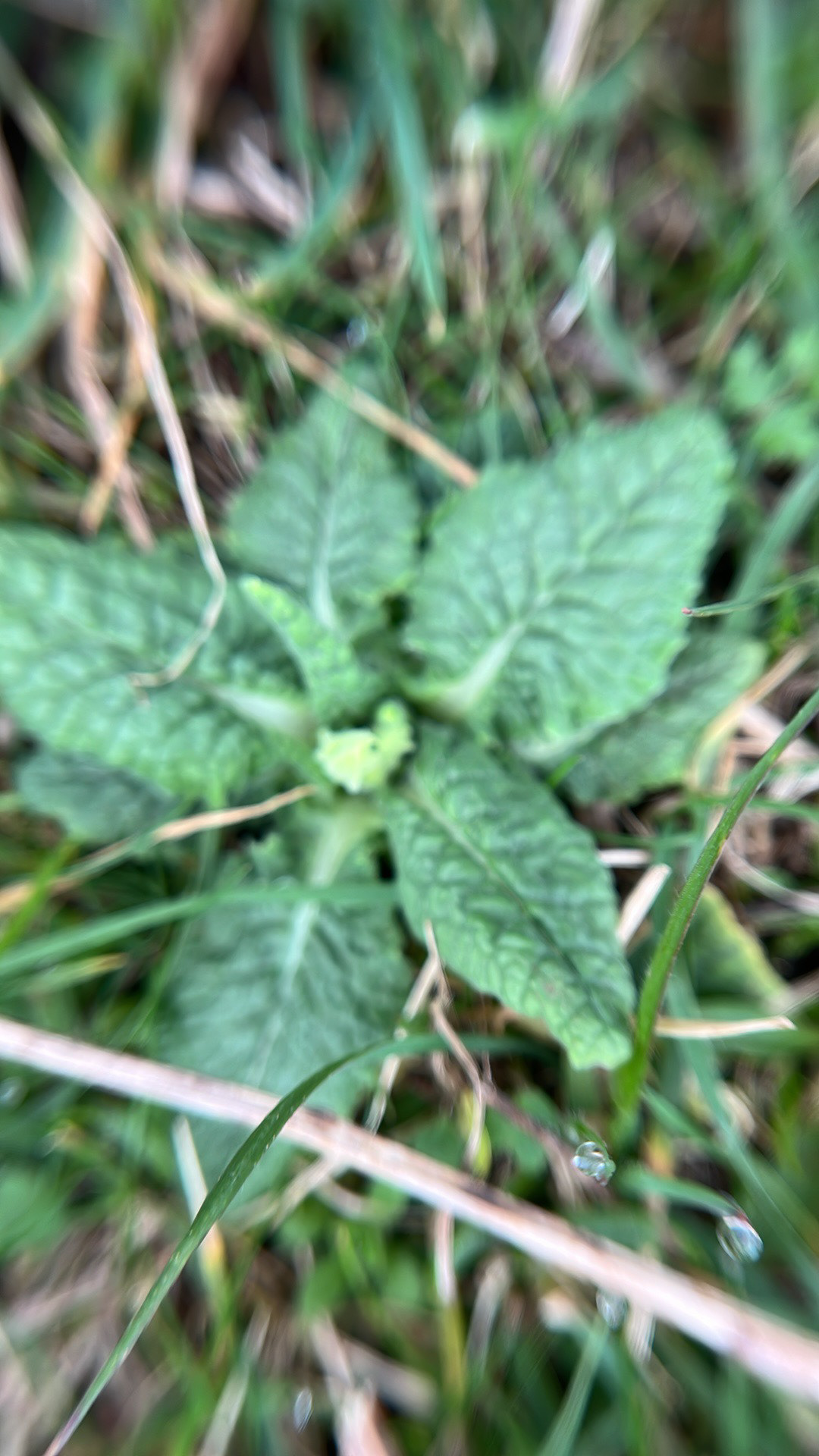
Cowslip
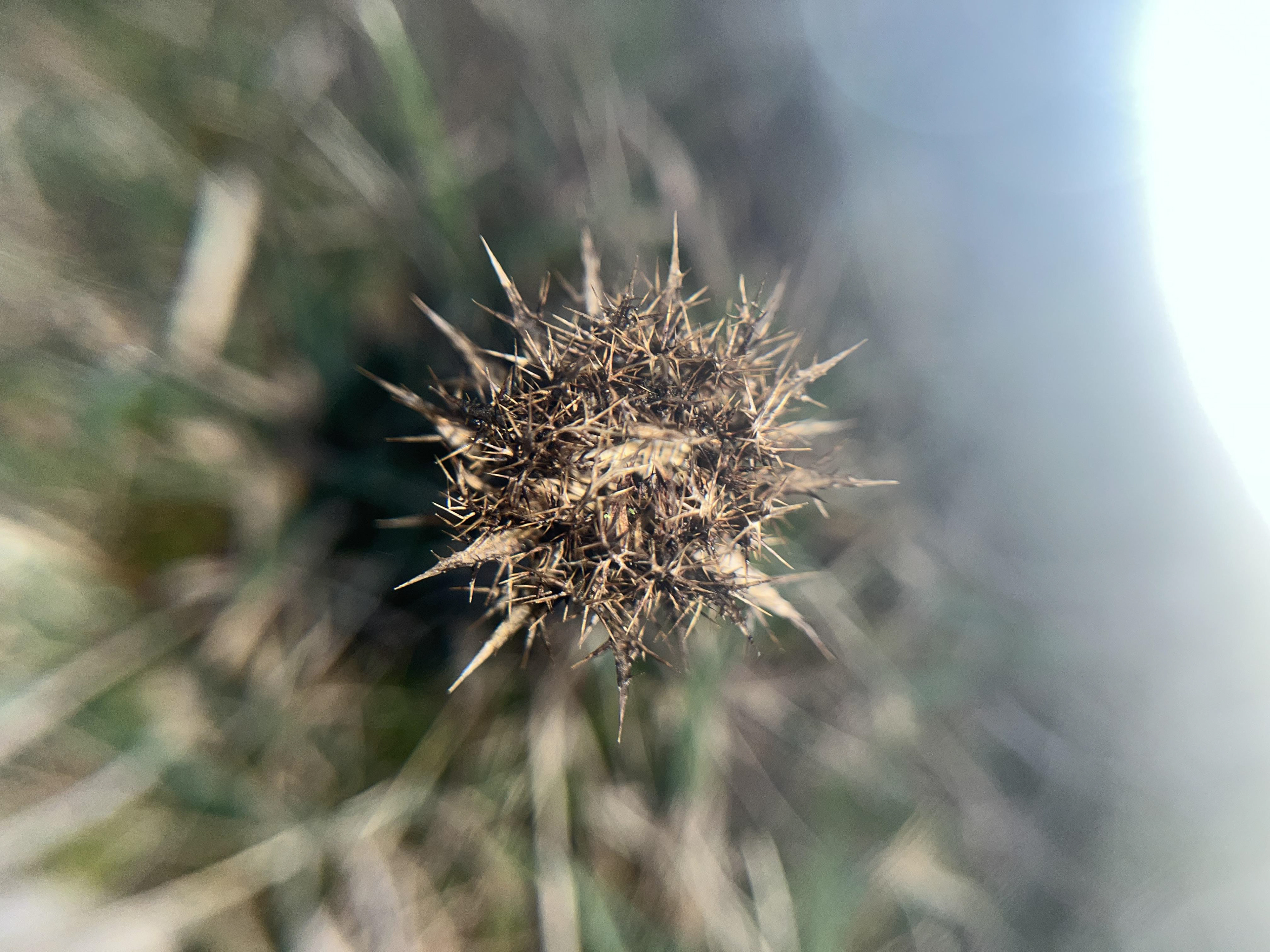
Fireweed thistle
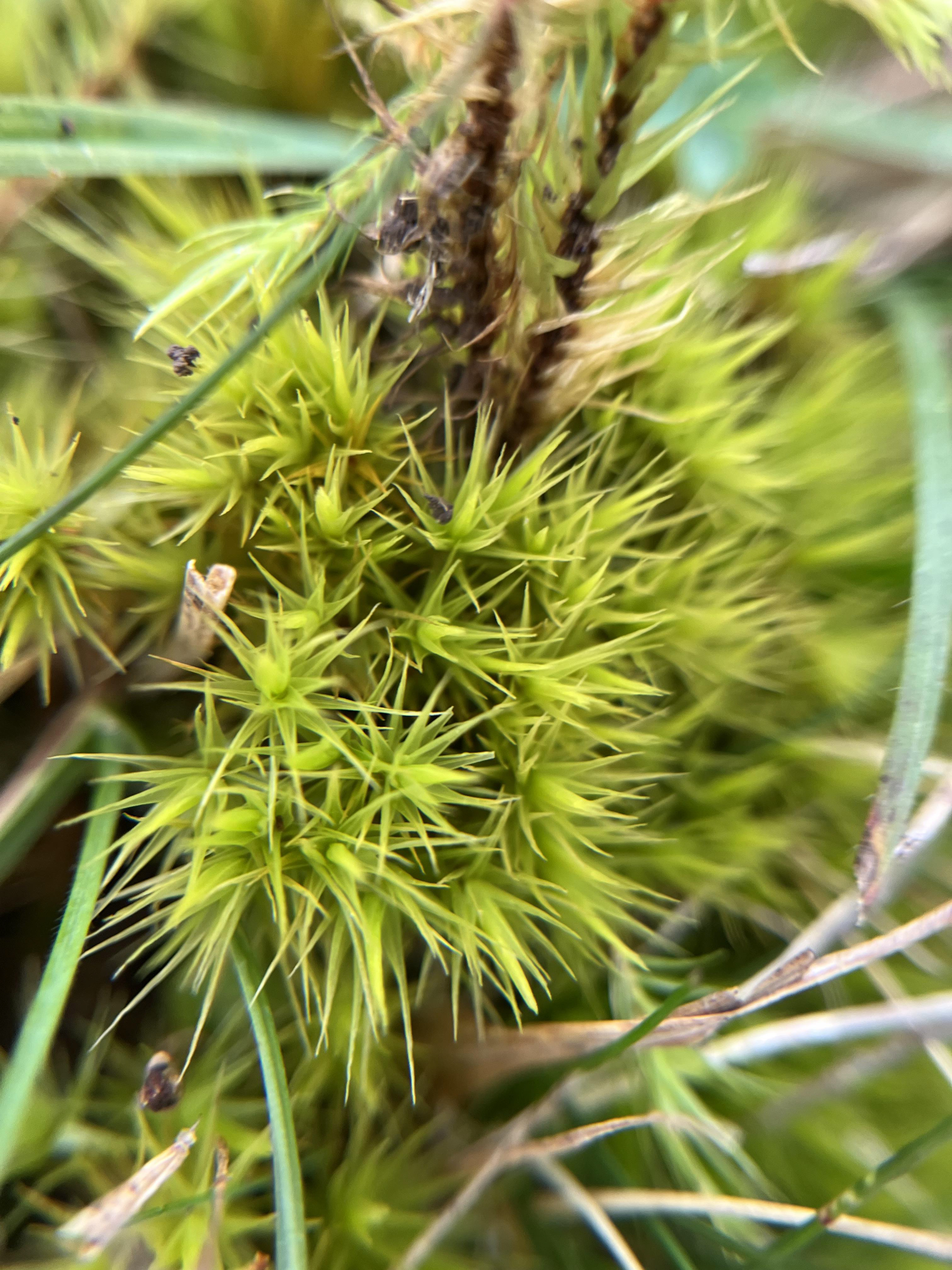
Broomfork moss
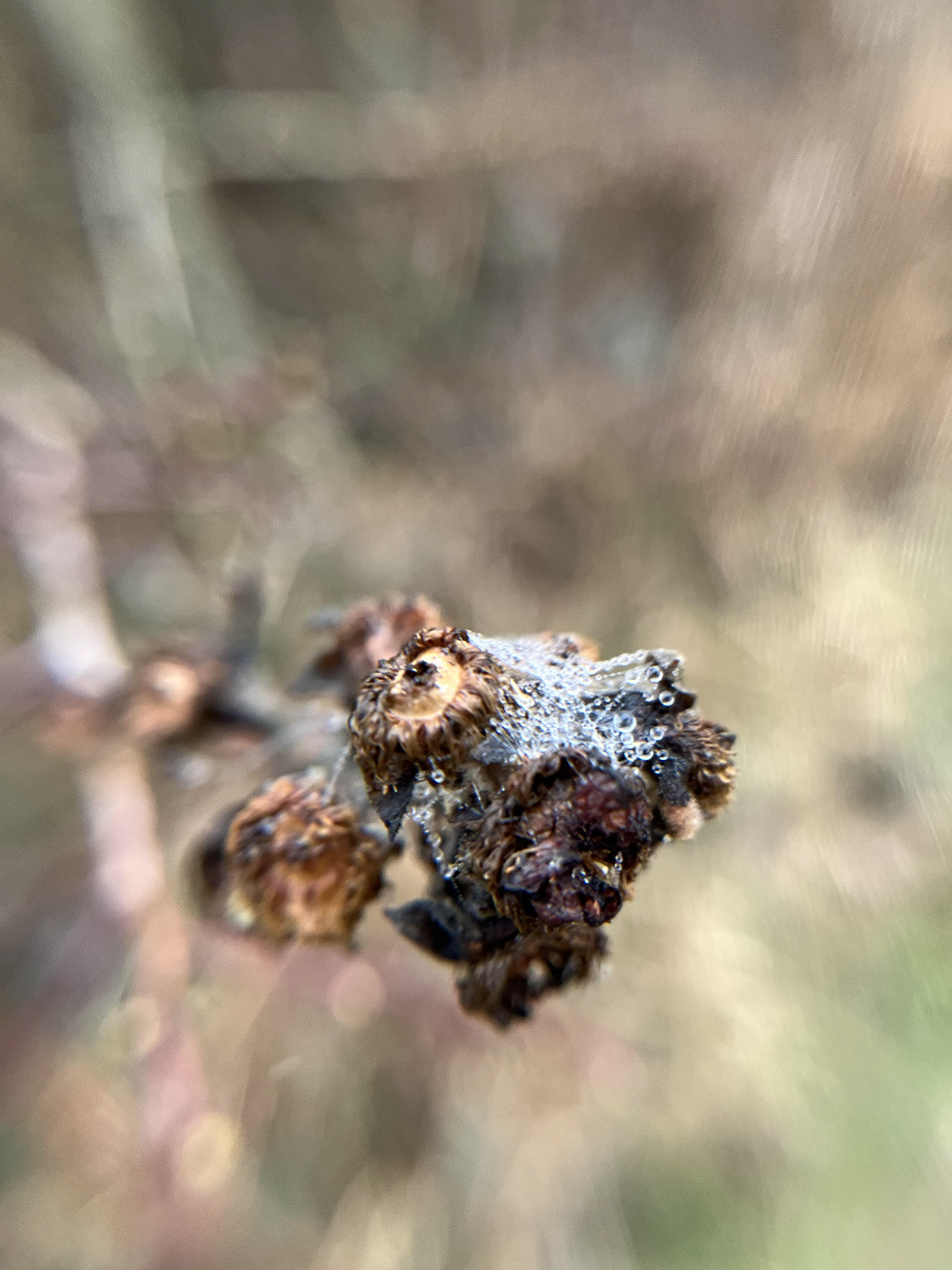
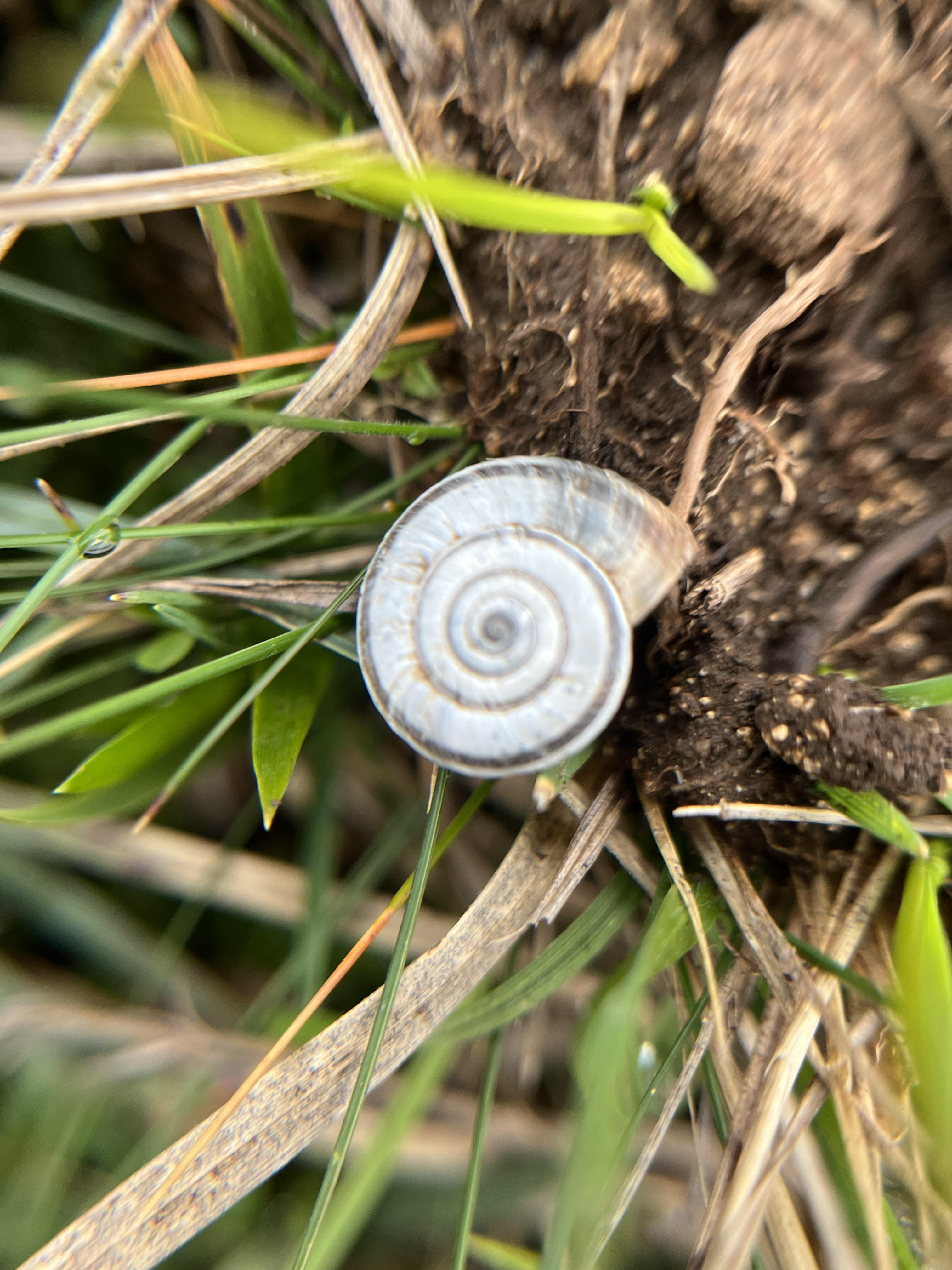
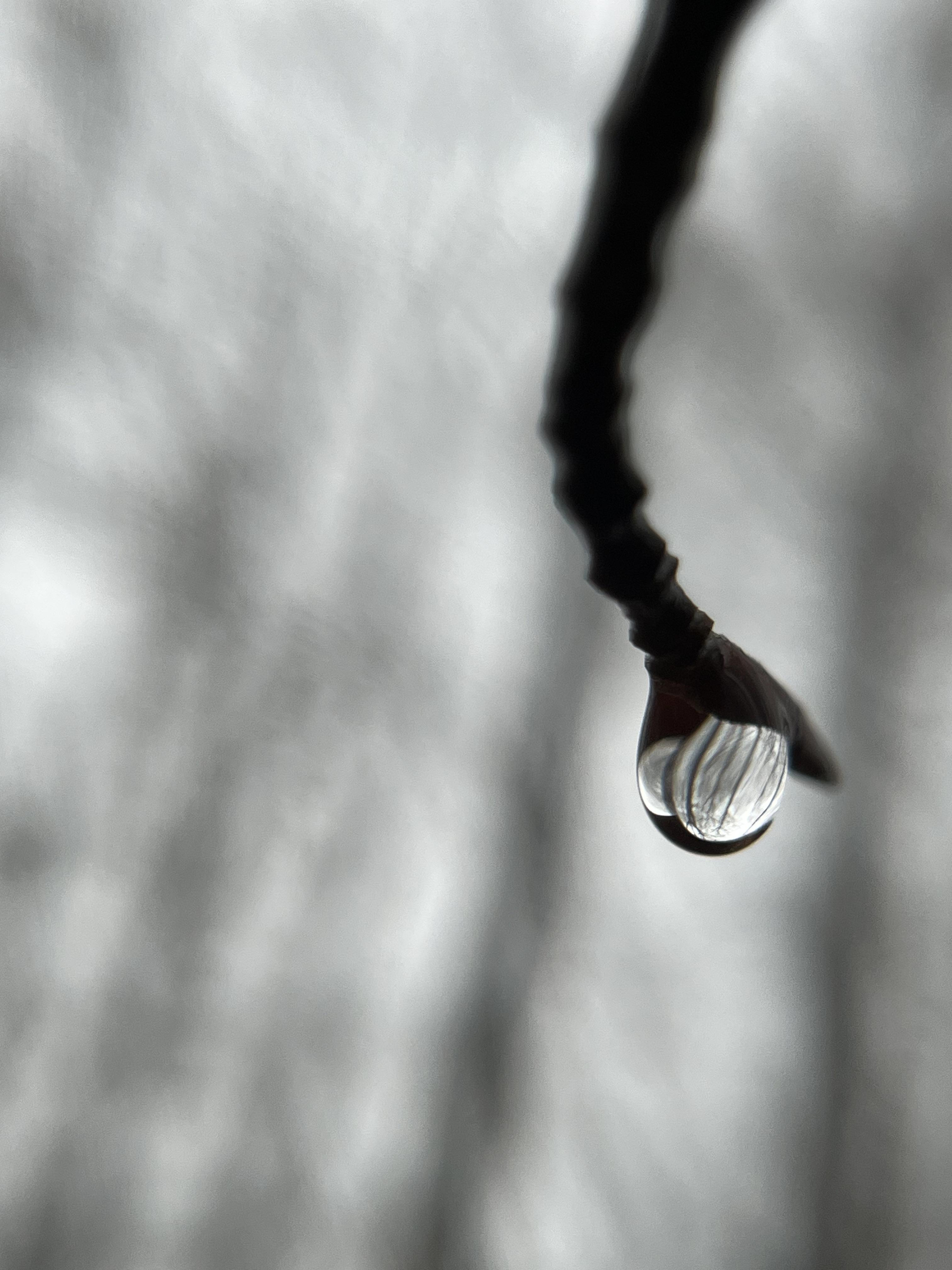
Taken with iPhone and macro add-on
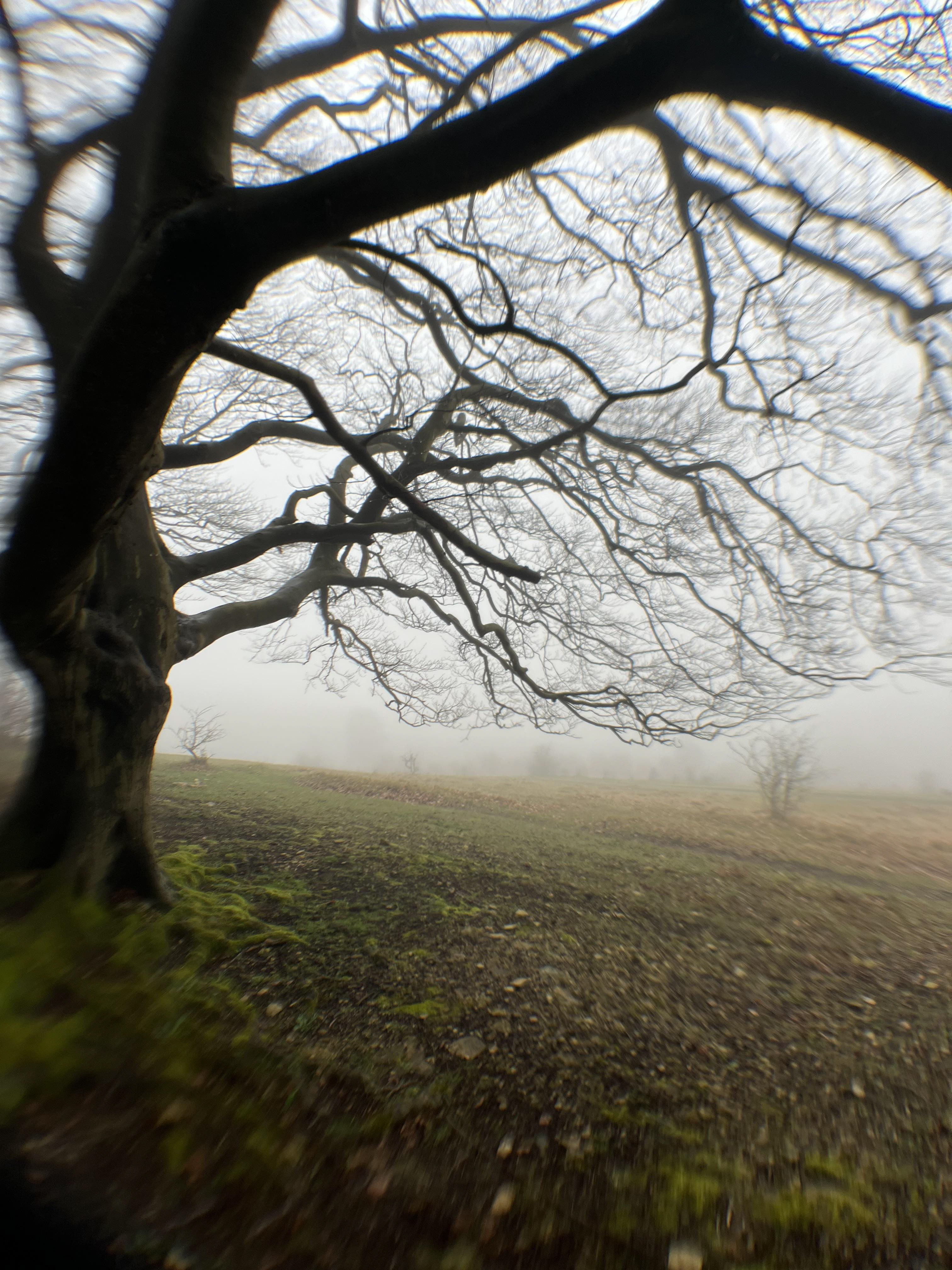
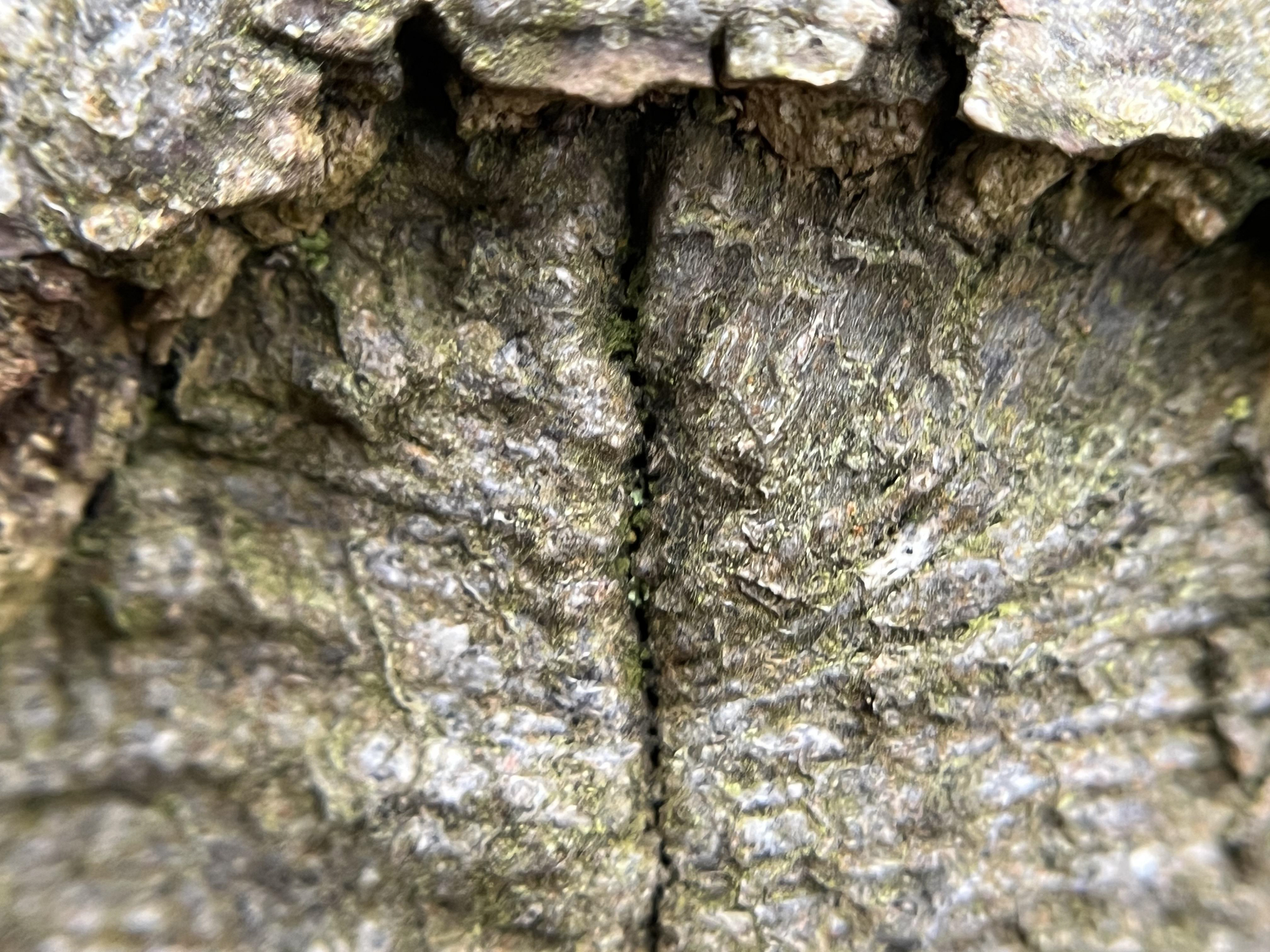
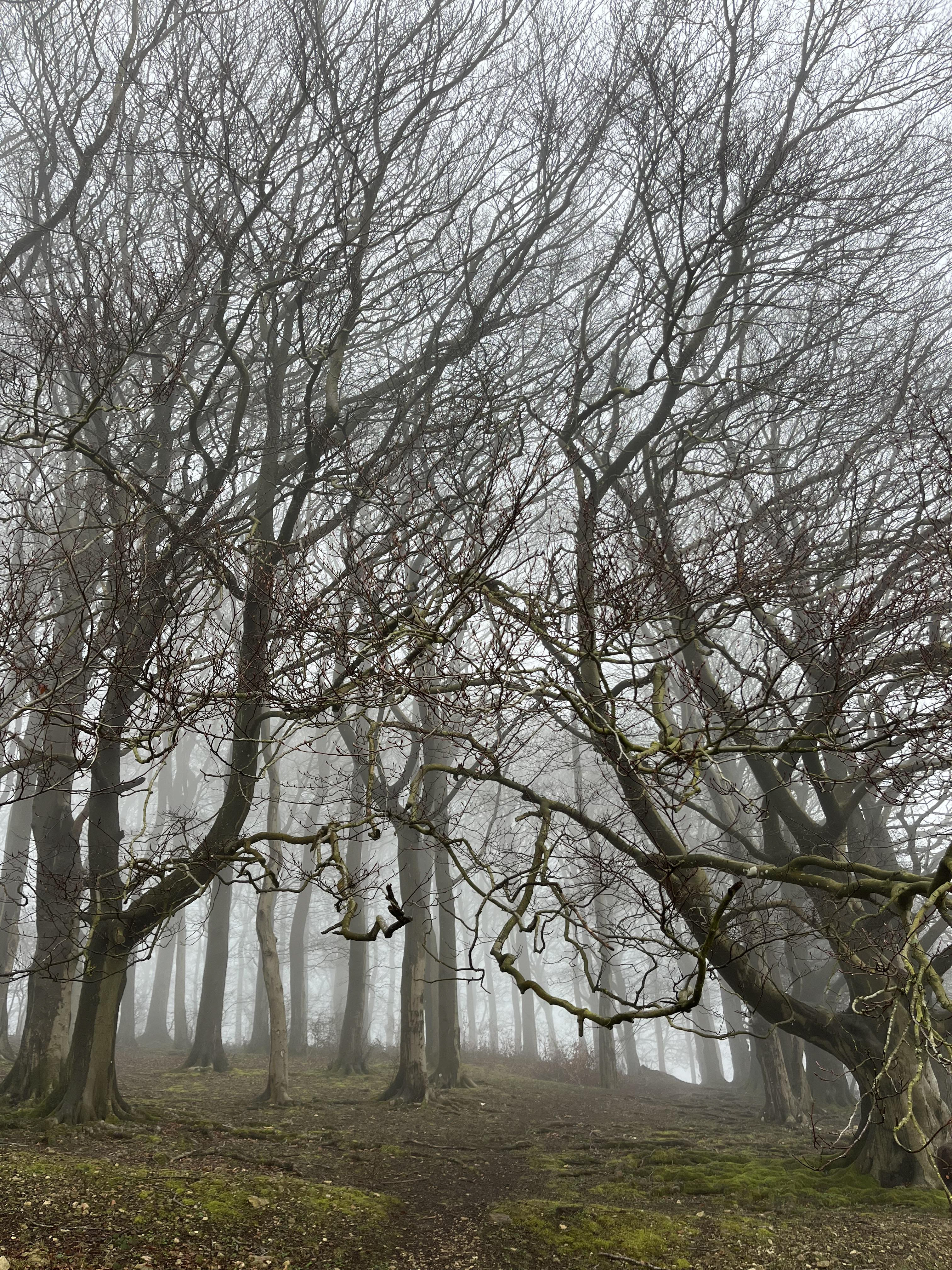
Beech trees
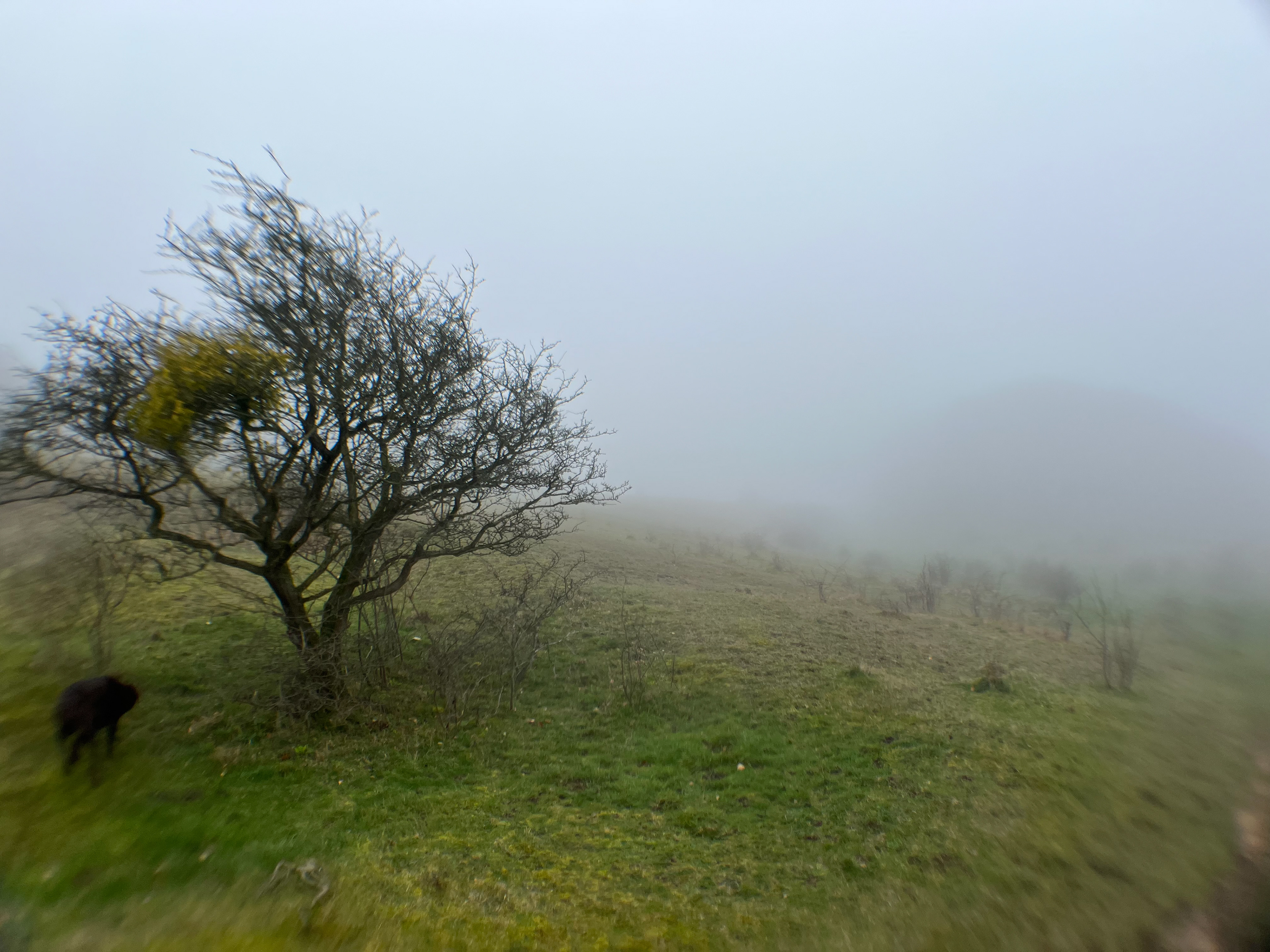
Prestbury butterfly reserve
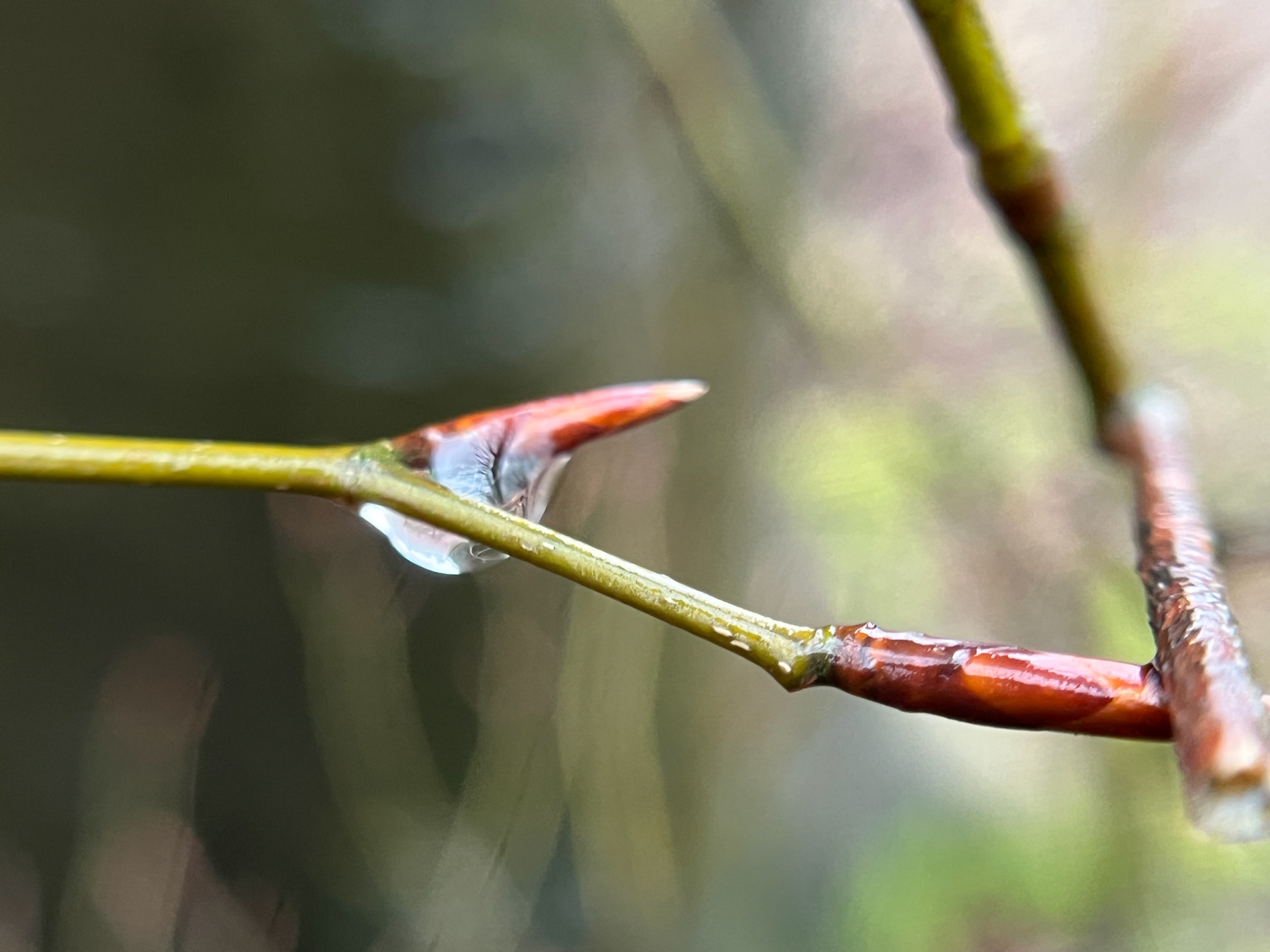
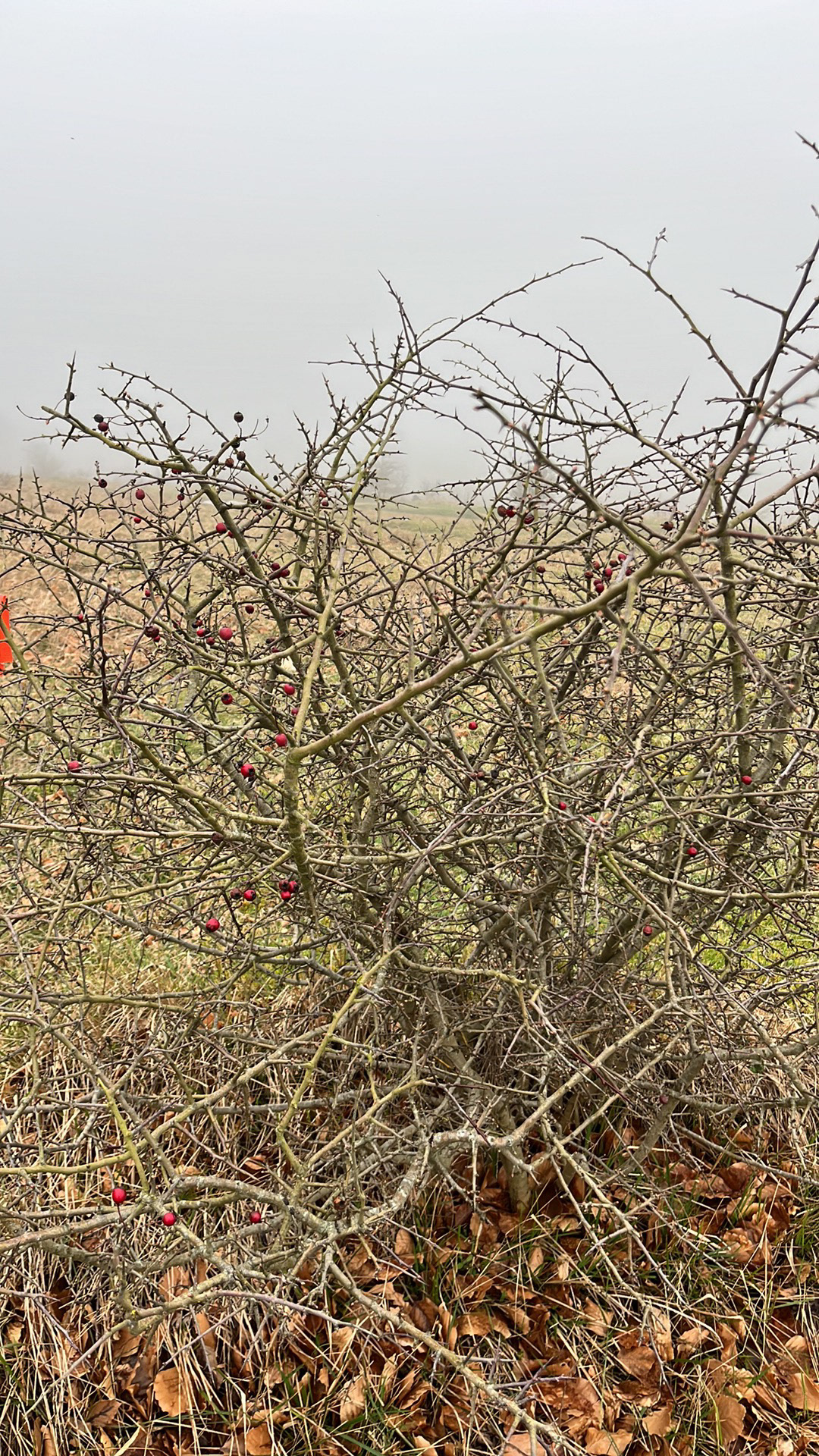
Hawthorne
Meeting notes recorded on the day transcribed then edited and key details
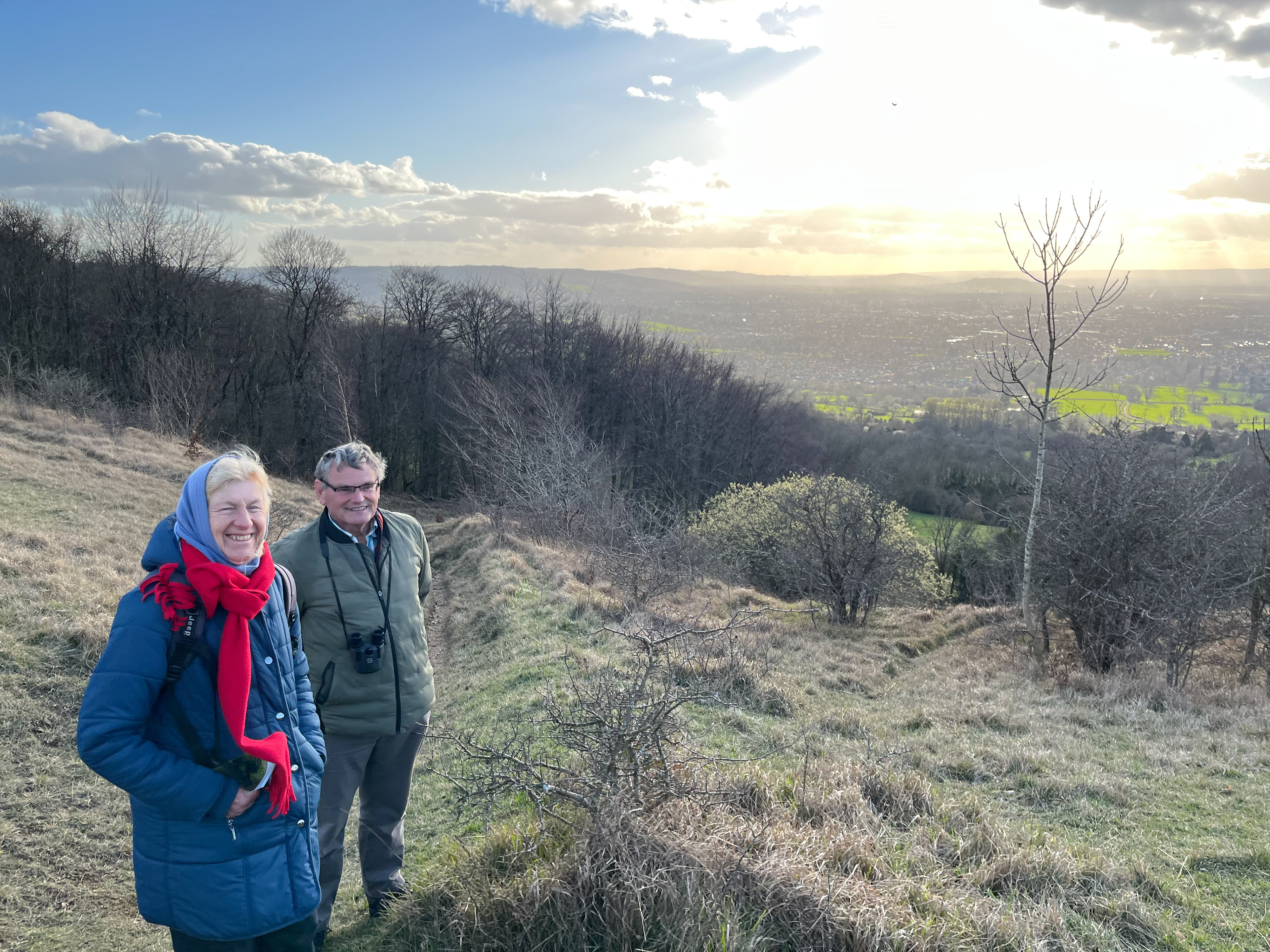
The Prestbury butterfly reserve is not a sight of specific scientific interest SSSI. Cleeve Common nearby is a site of specific scientific interest however the reserve is considered better for butterflies than The Cleeve common. The reason for this is that there are more wildlife and plant diversity. There is also less grazing pressure whereas Cleeve has sheep which means it is more baron habitat. More sheltered conditions are available in the bill :-) butterfly reserve. It is also a place that has warmer micro climates west facing with sun and protected valleys, including Happy Valley. The habitat here is very rich and is the best habitat for the butterflies.
The habitat characteristics supporting butterflies here are the floral diversity is exceptionally high including thistle star thistles Gas cowslips there is also a mix of grassland scrub including Hawthorn and Hazel. There are sheltered valleys including Happy Valley which has a large amount of different species of butter, butterflies living and breeding there.
Scrub management is crucial to the butterfly reserve conservation. Some scrub is good for sheltering and perching but too much shades out grass land which is bad for butterflies. Active management includes cutting the scrub removing roots using tree poppers occasional hair beside use (glyphosate).
This area is a semi managed habitat balancing succession versus biodiversity.
Diversity and species significance.
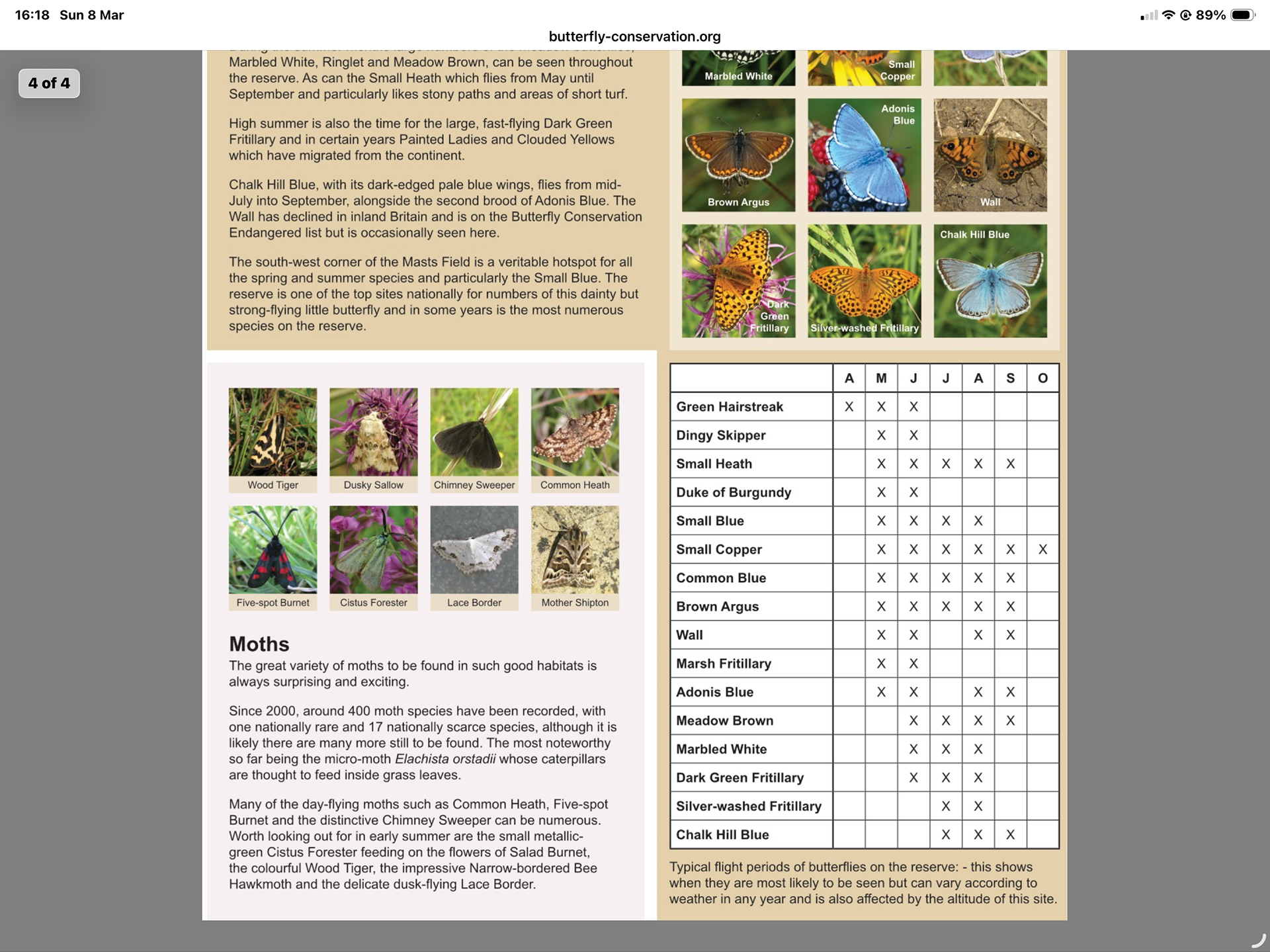
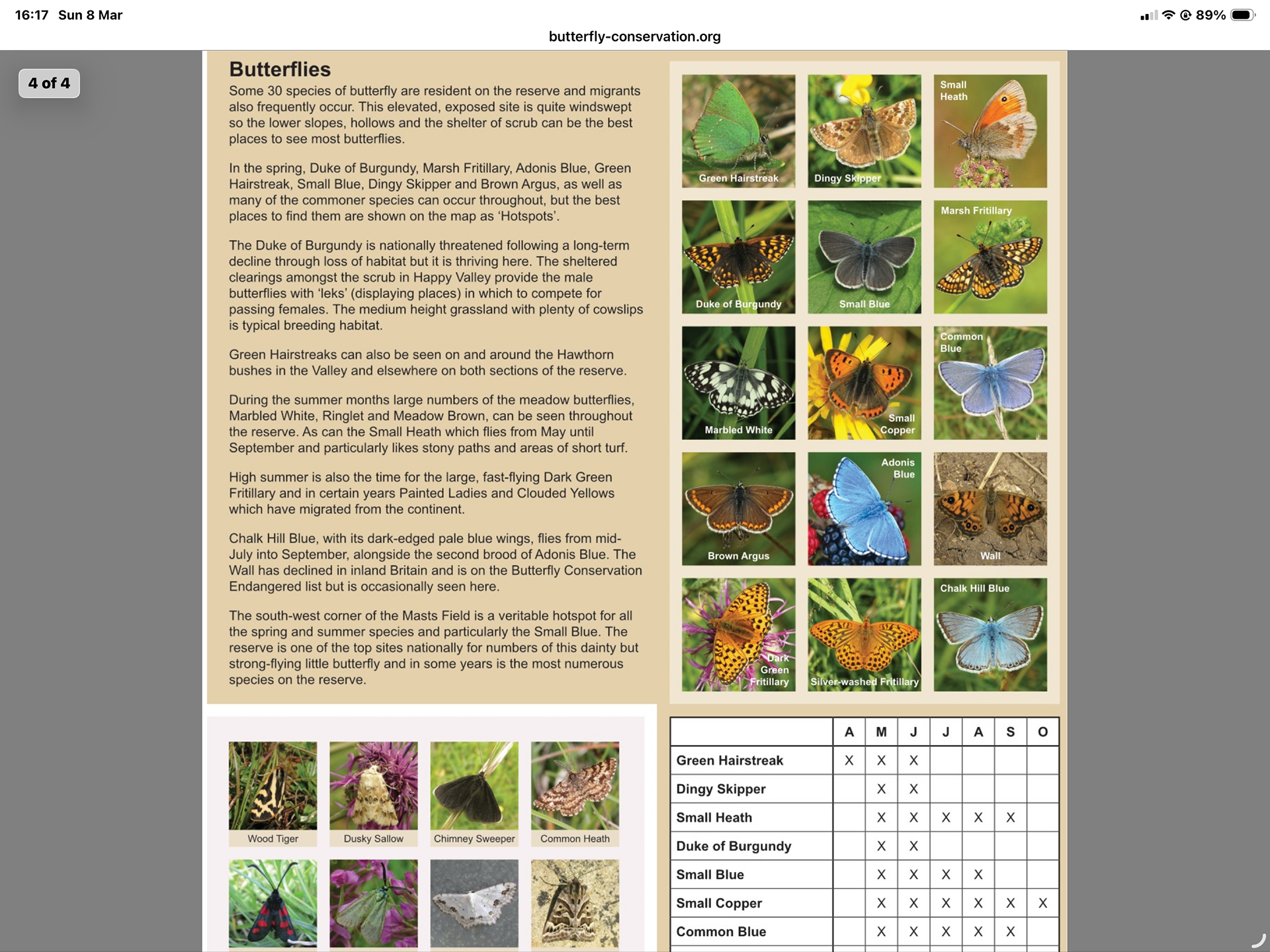
Around 35 different butterflies exist in the bill Smiley reserve in Prestbury Gloucestershire. It is considered to be one of the best sites in the UK/best sites in Gloucestershire. The notable species that are living in this reserve include the Duke of Burgundy which is a very rare butterfly marsh Chilly which did arrive back around 2020 and has been cited recently. Small blue, hair green hair streak, small Heath Cox.
This area has a rich species.
Ecology and species relationship
A strong site is plant specificity including the Duke of Burgundy The
Duke of Burgundy caterpillar feeds exclusively on the leaves of Cowslip (Primula veris) and Primrose (Primula vulgaris). They prefer plants growing in sheltered, humid, and sunny locations, such as limestone grasslands or woodland clearings, and occasionally eat the hybrid "False Oxlip".
Marsh fraternities caterpillars eat devils bit scabious. The evidence for this and the presence of the butterflies can be found via feeding signs on plants here.
Behavioural ecology ‘mud puddling’ for salts for example the small blue can be found on the Happy Valley path mud puddling’after a rain shower .
Butterflies are influenced in the area by the temperature, wind and sun exposure. Minimum of 13° to record the butterflies.
The plant insect relationships seemly Central to the conservation and monitoring of the local butterflies.
Seasonality and the best times for butterfly spotting
Peak activity for Butterflies will be in May especially late May.
Recording season is April to September with weekly transects
Patterns for Butterflies 11 am till 4 pm which is when they are most active, which is best for Photography.
Early mornings are cool and still a good time for photographing Butterflies. Late afternoon is great for settling to roost images.
Different timings for scientific versus creative practice.
Monitoring and data collections used on the butterfly reserved our standard transect methods, including fixed root walked weekly.
Butterflies counted within a set distance
Butterflies counted within an asset distance.
Data is logged and entered into software.
Annual comparison Tracks and trends are recorded.
Purpose;
The purpose is to monitor population changes
Monitor population changes
Identify species success/decline
Using formal citizen science aligned with national monitoring schemes seems to be working somewhat to help the
Environmental Trends & Concerns
General trend: National butterfly decline
Local site: Relatively stable / managed well
Weather impacts: Hot/dry years reduce activity (less mud, fewer resources)
However a Wet years can increase certain species (e.g. Small Blue)
Climate variability strongly affects local populations.
Wider Ecology (Beyond Butterflies)
Other wildlife present:
Badgers, foxes, rabbits, deer, moles
Birds (e.g. cuckoo)
Rabbit decline (disease) affects:
Grass length → impacts butterfly habitat
The Butterfly conservation is seemingly intertwined to the whole-ecosystem dynamics, in a delicate and finite way.
Research & Practice
Site is:
Local (20 mins away) → ideal for longitudinal study
Rich in seasonal variation
Friendly community of reserve keepers
My proposed approach:
Visual research (70% practical) 2026
Seasonal documentation
With SLR - landscape /medium format
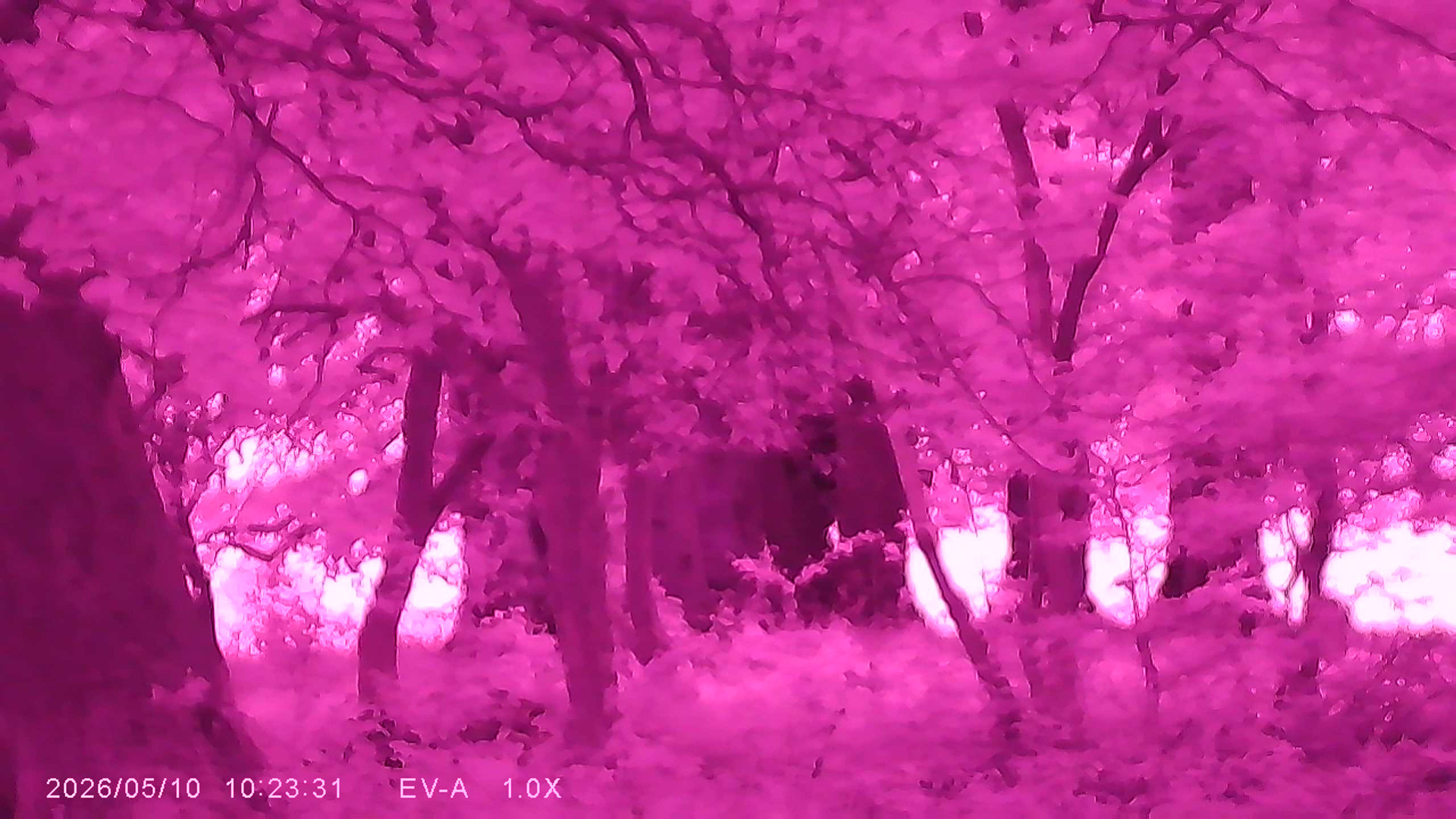
Infrared photo shot to show the different areas (March 18th test 1)
Firstly analogue /moving to digital camera med format & infrared filter.
Use stacking process for sharper images.
Looking at landscape - decide what butterflies would see….
Interest in: Plants landscapes + insects and local wildlife
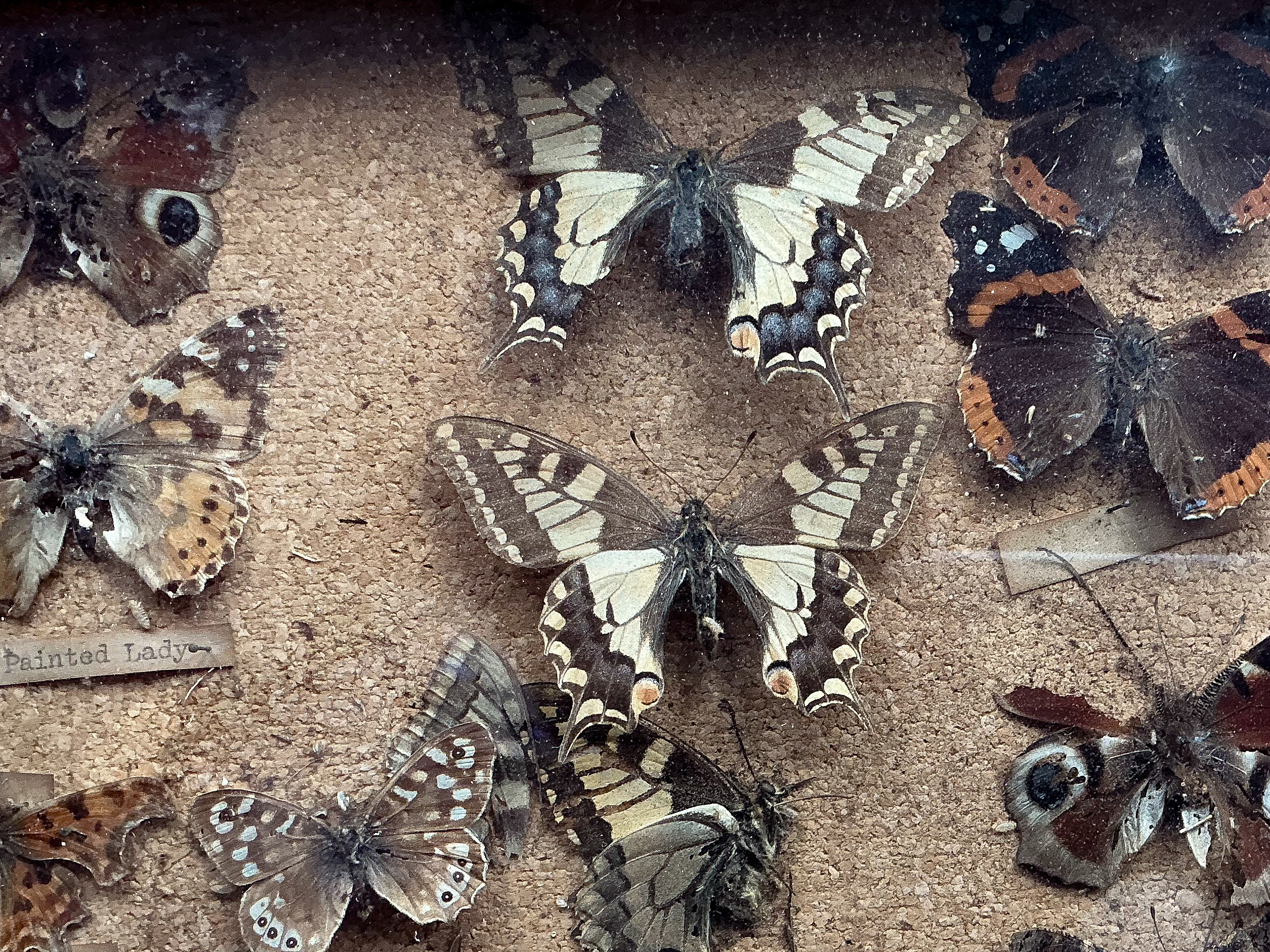
Using multispectral/experimental imaging/ including ; IR photography / UV (ivf) controlled/ Using specimens butterflies for uv ivf photography//
Key opportunity for helping as well as primary research in the local area. Plan to Capture:
Seasonal change
Species interactions
Microhabitats (e.g. valleys, scrub edges)
Community Engagement & Outreach
Challenges:
Low public engagement despite events
Difficulty reaching families via social media
Activities include:
Butterfly walks
School outreach (especially primary)
Biodiversity festivals (e.g. Pittville Park)
Strong need for:
Digital/social media support :
Local engagement
Local help with butterfly count and awareness of importance of BC locally and uk wide.
Inform the young people how they can help
Raise money to buy land for conservation purposes
Looking at a possible way to integrate my research + community impact by offering to help with their social media campaign. Starting April 2026.
Key facts:
Not an SSSI, but ecologically richer for butterflies than nearby protected land
Habitat management (not protection status) is key
High biodiversity = nationally significant site
Strong plant–butterfly dependency
A case study for ecology + visual research
A case study for ecology + visual research
Clear gap in public engagement → opportunity to help with this.