Introduction and Rationale
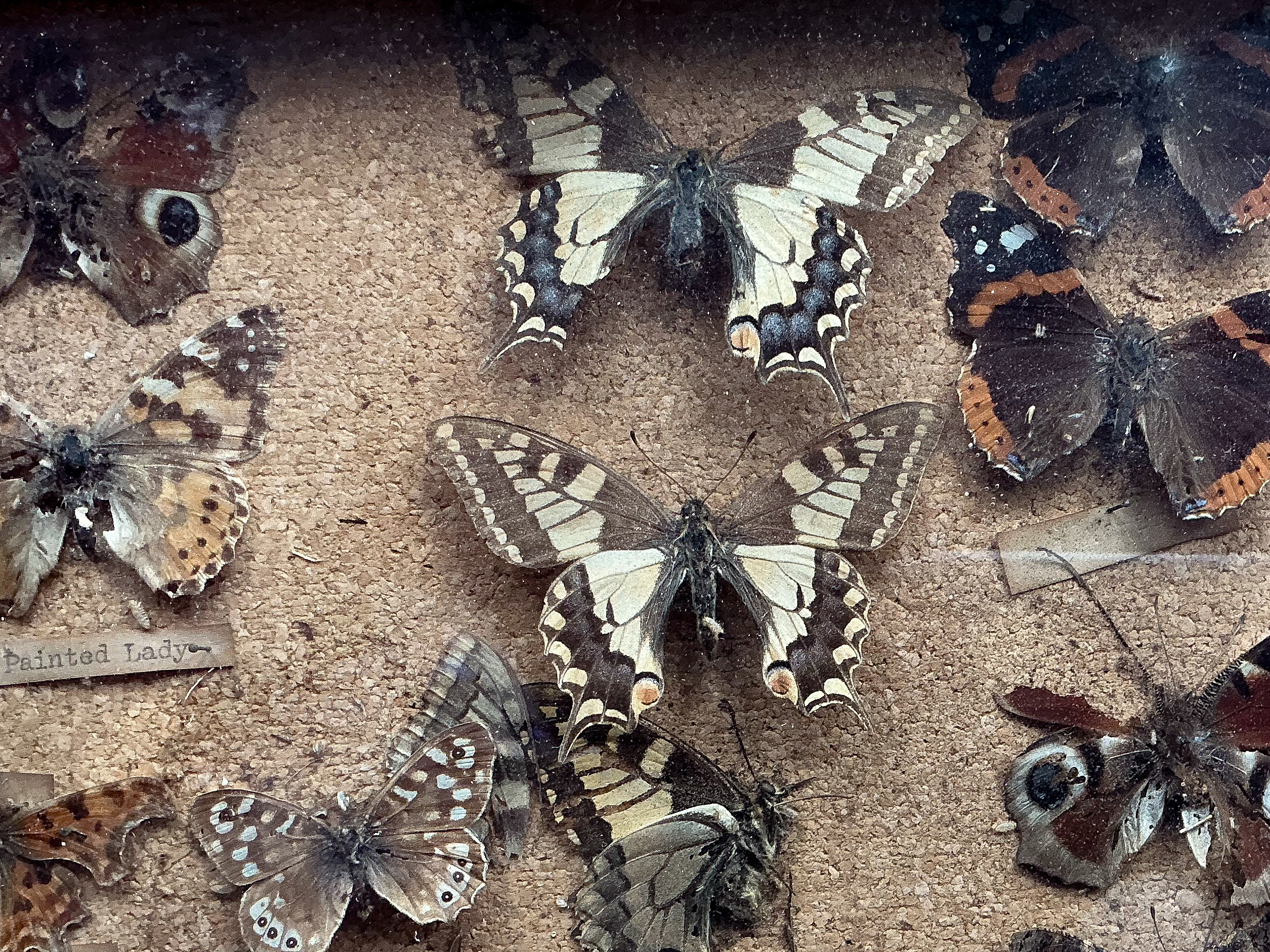
Butterfly populations in the UK have suffered massive decline over the past half-century, with the Butterfly Conservation Butterfly count 2024\2025 recording the lowest number of Butterflies on record, with over three-quarters of the UK species in long-term decline. These numbers signal broader biodiversity crises and highlight the urgent need for public engagement with conservation of our beautiful UK landscapes. Through this research, I aim to contribute to the conservation of Lepidoptera. While photography and film have long played a role in shaping cultural perceptions of wildlife, I feel its impact as an active tool for conservation remains under-researched.
This PhD will investigate how photographic practice can be used to enhance awareness, attitudes, and behaviours relating to landscape and Lepidoptera conservation in the UK. By integrating practice-based photography and film, with conservation and audience research, this project seeks to understand and evidence the tangible value of photography and film for biodiversity protection.
Through my initial research, I have discovered that many communities across the UK are actively engaging in sustainability initiatives, such as “Save the Bees” campaigns, Butterfly Conservation projects, Bristol Wild Spaces, and other local community efforts. In this PhD research, I plan to connect with and contribute to these movements by providing photographic material that can help raise awareness and promote these important issues further. While these projects already make valuable contributions, there is always room for additional support. I believe my research and creative input could offer fresh perspectives and practical resources to strengthen their impact, particularly in addressing the urgent decline of butterflies and the broader degradation of our landscapes.
Aims and Objectives
To explore the potential of contemporary photographic practice as a conservation intervention.
To produce and disseminate photographic projects that communicate landscape, butterfly and moth conservation issues in the UK.
To evaluate how audiences interpret, engage with, and respond to these photographic representations.
To generate recommendations for conservation organisations on the effective use of photography and film in public engagement strategies.
Research Questions
What photographic and film strategies are most effective in communicating landscape and butterfly conservation challenges in the UK?
How do audiences interpret and respond to different modes of photographic and moving image representation (aesthetic, documentary, participatory)?
Can photographic and film practice measurably increase conservation engagement, such as volunteering, donations, funding or habitat action?
Methodology
This will be a practice-based PhD combining 70% creative outputs with written research and evidence 30%.
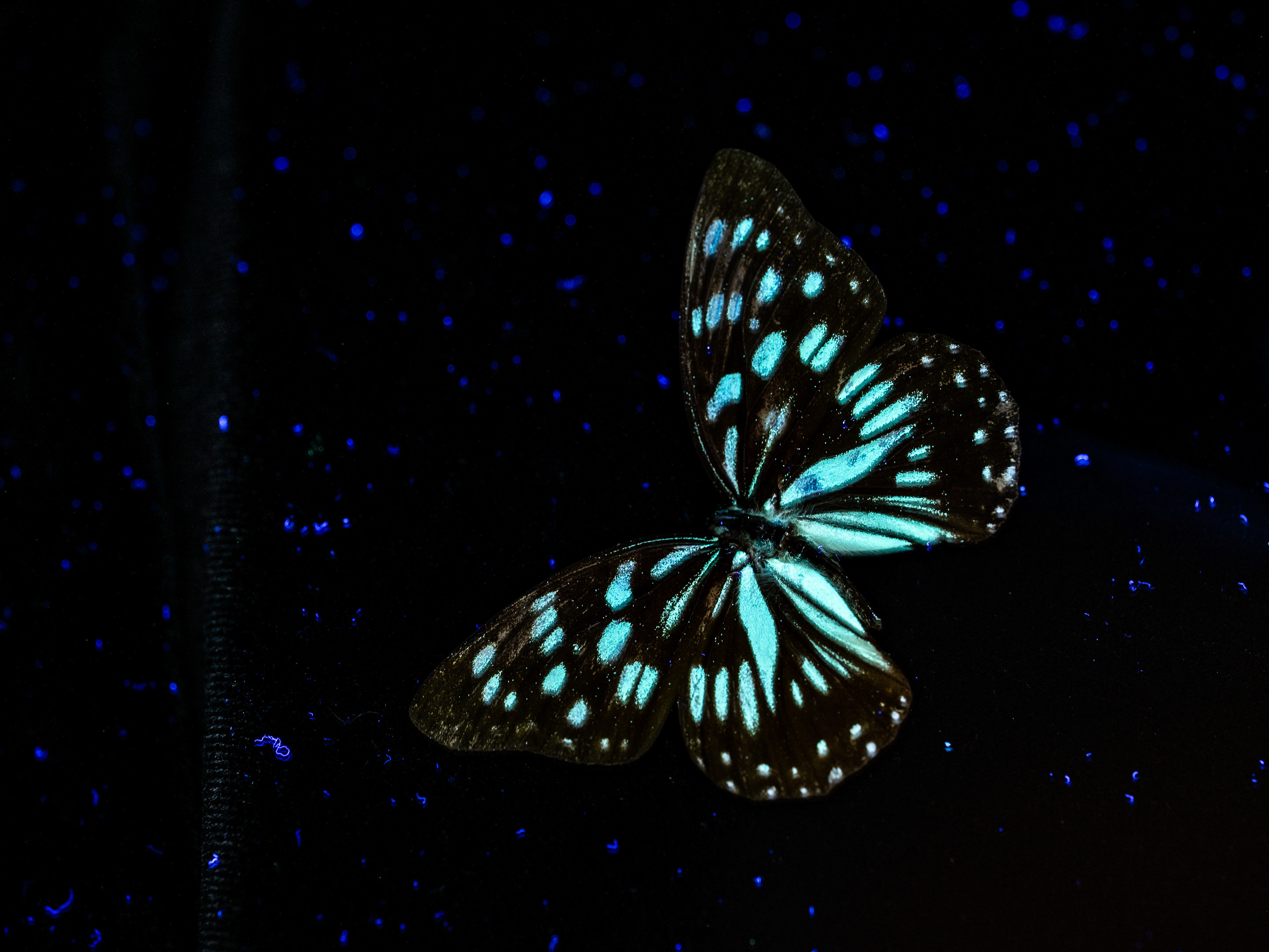
Visual Practice: Production of photographic and film projects in collaboration with conservation partners (e.g. Butterfly Conservation UK, National Trust, Forestry Commission). These projects will explore diverse modes of representation, from macro imagery of species (specialist interest) to landscape-focused habitat documentation, as well as participatory approaches involving local communities and citizen scientists.
Audience Research: Photographic and film outputs will be exhibited physically and digitally, with the possibility of residents . Responses will be evaluated through surveys, interviews, and focus groups to measure shifts in awareness, attitudes, and intended conservation behaviours.
Comparative Context: A small-scale comparative study with one European counterpart (e.g. the Netherlands or Germany, Italy) will provide insights into cross-cultural differences in photographic engagement with butterfly conservation.
Theoretical Framework
The project will draw on:
Conservation psychology: understanding behavioural change in response to visual communication.
Visual culture and environmental humanities: critical analysis of how nature is represented and valued through images.
Citizen science and participatory research: involving the public directly in conservation-related photographic practices.
Expected Contributions
Academic: Advance knowledge at the intersection of photography, conservation, and environmental communication.
Practical: Provide evidence-based recommendations for NGOs and policymakers on effective visual strategies for conservation engagement.
Creative: Produce a body of photographic and film work with cultural and conservation significance, disseminated through exhibitions, publications, and online platforms.
Potential Partners
Natural England and the National Trust (habitat access and policy context).
Citizen science networks such as the Big Butterfly Count and iNaturalist.
Forestry England, Forestry Commission and Forest Research.
Butterfly Conservation UK (public engagement and access to information, funding, data/habitats). Possibility of applying for the Butterfly Conservation UK Diarsia Awards 2026: a small research grant for Master's and PhD students whose work focuses on the declines of Lepidoptera or potential causes of these declines, in memory of Douglas Boyes, in conjunction with The Butterfly Conservation UK. This research has the potential to provide valuable insights into sustaining Lepidoptera populations in the UK and addressing biodiversity declines, so may be accepted. Additionally, being part of the Butterfly Conservation UK would give me access to data and research, as well as hands-on learning opportunities. In turn, my research would support the campaign through advertising and awareness initiatives, leveraging my experience in photography and digital media.
Conclusion
This project seeks to demonstrate how photography and film can move beyond documentation to become an active agent of conservation. By testing the impact of photographic practice on public engagement with landscape and butterfly conservation, it aims to generate new insights for both academia and practice, contributing to the urgent task of biodiversity protection in the UK and beyond.
Using my thirty years of media and photography experience I trust that I will be able to complete this project, and gather new material needed to help contribute to the ecology of the UK landscape. My interest in Lepidoptera has inspired this idea. I would love to be able to help in even a small way to encourage the UK residents to encourage butterflies and moths to thrive again like they did when I was a child.
I have discussed my Phd project idea with Arran Stibbe, Professor Of Narrative Ecology at Gloucestershire University who has agreed to be one of my supervisors, which would be very beneficial with his knowledge in Ecology and the arts. I have a meeting with Anna Gormley, a Photography lecturer at Gloucestershire University who may be another one of my supervisors.
Proposed Timetable Part time 6 years
Time
Contents and Expected Outcomes
Year 1
The first 6 months would be research; reading / attending lectures and visits to Butterfly and moth reserves. Apply for funding ; Butterfly Conservation Uk. Visit Natural History Archives London.
March - 2026: Big Butterfly Count.
March - September - Record /film /photograph Collected Butterfly Larve with still and time lapse photography and film.
Find local schools who want to be apart of Butterfly Conservation and set up a butterfly area for students to study using
Live Butterfly Hatching Kit - Apply for funding from Gloucestershire County Council's environmental fund / community grant scheme/ Tel Group's Go Green Scheme/ The Tree Council's Branching Out Fund,/ The Stobart Sustainability Fund.
At the end of the academic year I would hope to exhibit my findings locally, at exhibitions, as well as online websites, offering any findings and images/ film created for use in their sustainability projects.
Year 2
Research local landscape ecology projects in UK ideas incl: Forest Research's WrEN project for woodland biodiversity, Kew Gardens's Nature Unlocked program on grassland ecosystems, and the Cairngorms Connect project for large-scale habitat restoration
March - Big Butterfly Count.
Continue with my research and photography / Film; organising filming of UK butterflies and moths and the landscape they live in and need to thrive.
Continue school and community projects to enhance butterfly and landscape conservation.
Possibility to start my own butterfly and landscape conservation campaign using research and images/ film created.
Year 3
Continue with my research; continue with photography / filming ; Find another country to compare and research their butterfly and landscape conservation projects.
March - Big Butterfly Count.
Exhibit work and collate thesis.
Year 4
Continue my own butterfly and landscape conservation campaign using research and images/ film created.
March - Big Butterfly Count.
Exhibit work and collate thesis.
Year 5
Continue my own butterfly and landscape conservation campaign using research and images/ film created.
March - Big Butterfly Count.
Exhibit work and collate thesis.
Year 6
Collate and finish thesis.
Georgia Whiteley MA
Bibliography
Gardner, M.G. (2016). LANDSCAPE ECOLOGY IN THEORY AND PRACTICE : pattern and process. Springer-Verlag New York Inc.
Szaro, R.C. and Johnston, D.W. (1996). Biodiversity in managed landscapes : theory and practice. New York: Oxford University Press.
Yves Luginbühl and Howard, P. (2016). Landscape and Sustainable Development. Routledge.
Yves Luginbühl and Howard, P. (2016). Landscape and Sustainable Development. Routledge.
Barnes, G. and Williamson, T. (2006b). Hedgerow History. Windgather Press.
Settele, J., Shreeve, T., Konvička, M. and Hans Van Dyck (2009). Ecology of Butterflies in Europe. Cambridge University Press.
Dennis, R.L.H. (2010). A resource-based habitat view for conservation : butterflies in the British landscape. Oxford (Uk) ; Chichester (Uk) ; Hoboken (N.J.): Wiley-Blackwell.
Settele, J. and Al, E. (2005). Studies on the ecology and conservation of butterflies in Europe. Sofia ; Moscow: Pensoft.
Dennis, R.L.H. (2020). Butterfly biology systems : connections and interactions in life history and behaviour. Oxfordshire ; Boston, Ma: Cabi.
Lewington, R. (2016). Pocket Guide to the Butterflies of Great Britain and Ireland. Bloomsbury Publishing.
Arran Stibbe (2015). Ecolinguistics : language, Ecology and the Stories We Live by. London ; New York, N.Y.: Routledge.
Stibbe, A. (2012). The handbook of sustainability literacy : skills for a changing world. Totnes, Devon: Green.