Wildlife photographer Margot Raggett warns that if current trends continue, many natural landscapes could soon be empty of wild animals — essentially “ghost” ecosystems — showing the severity of the global wildlife decline. The Guardian
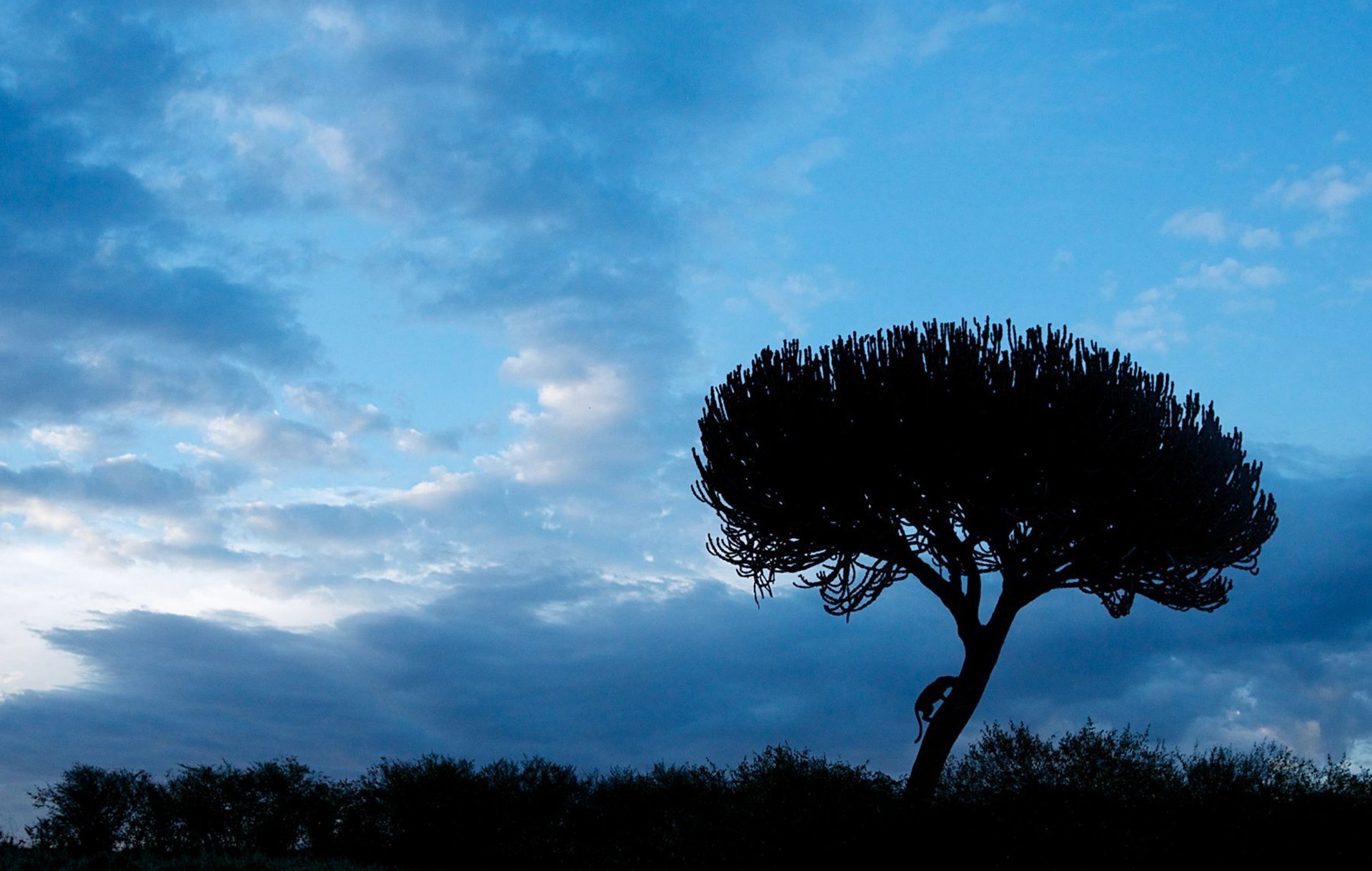
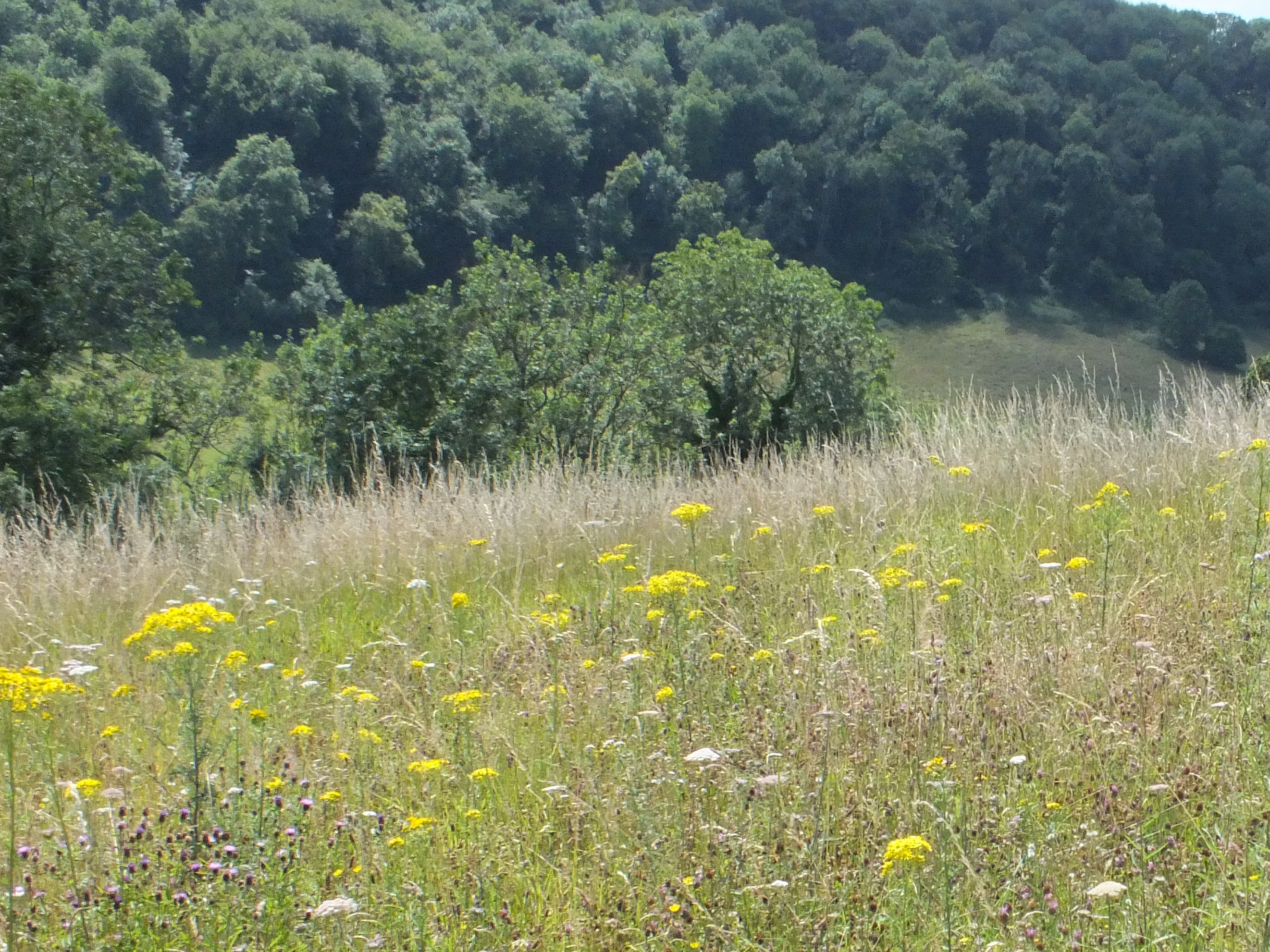
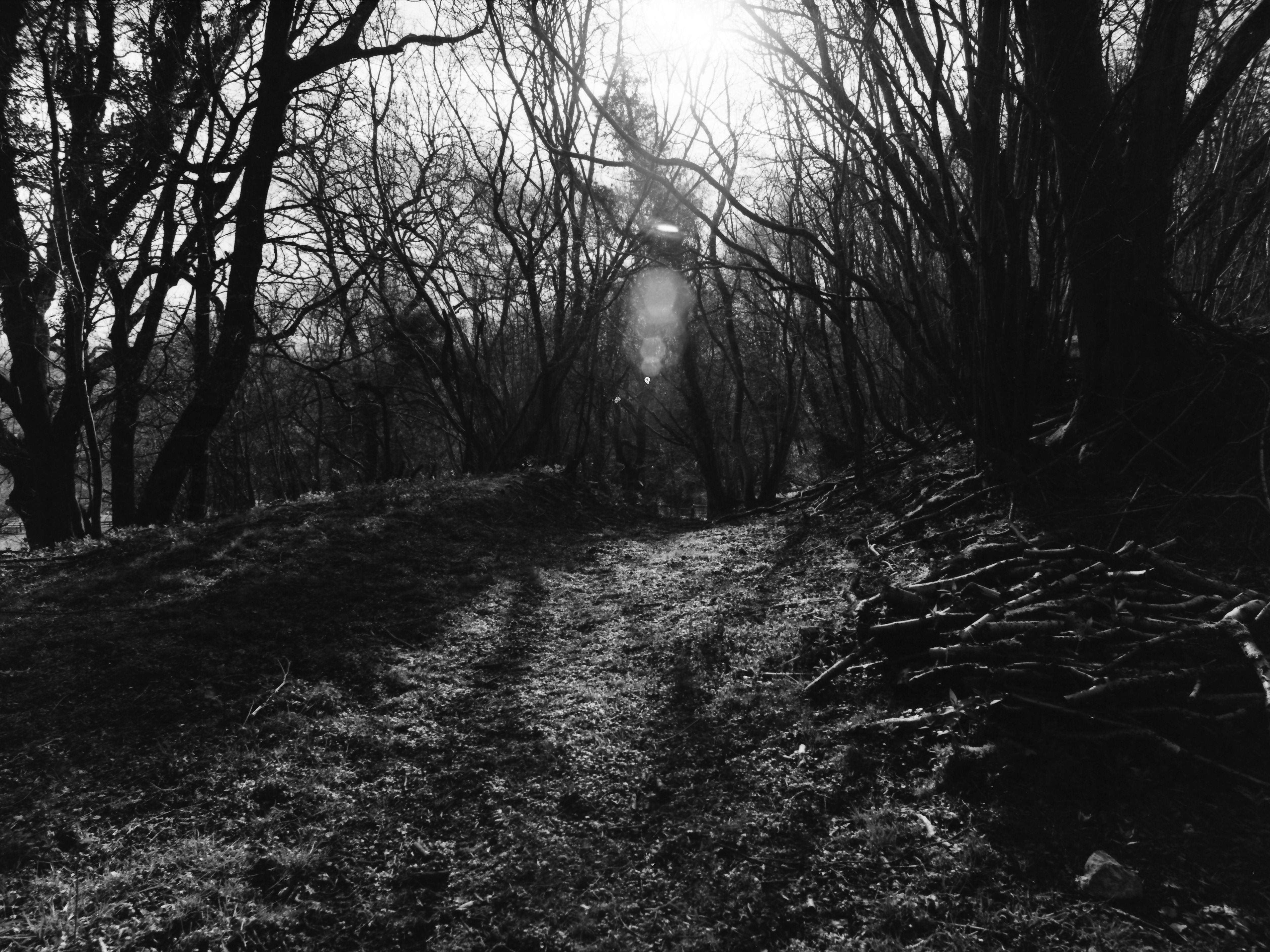
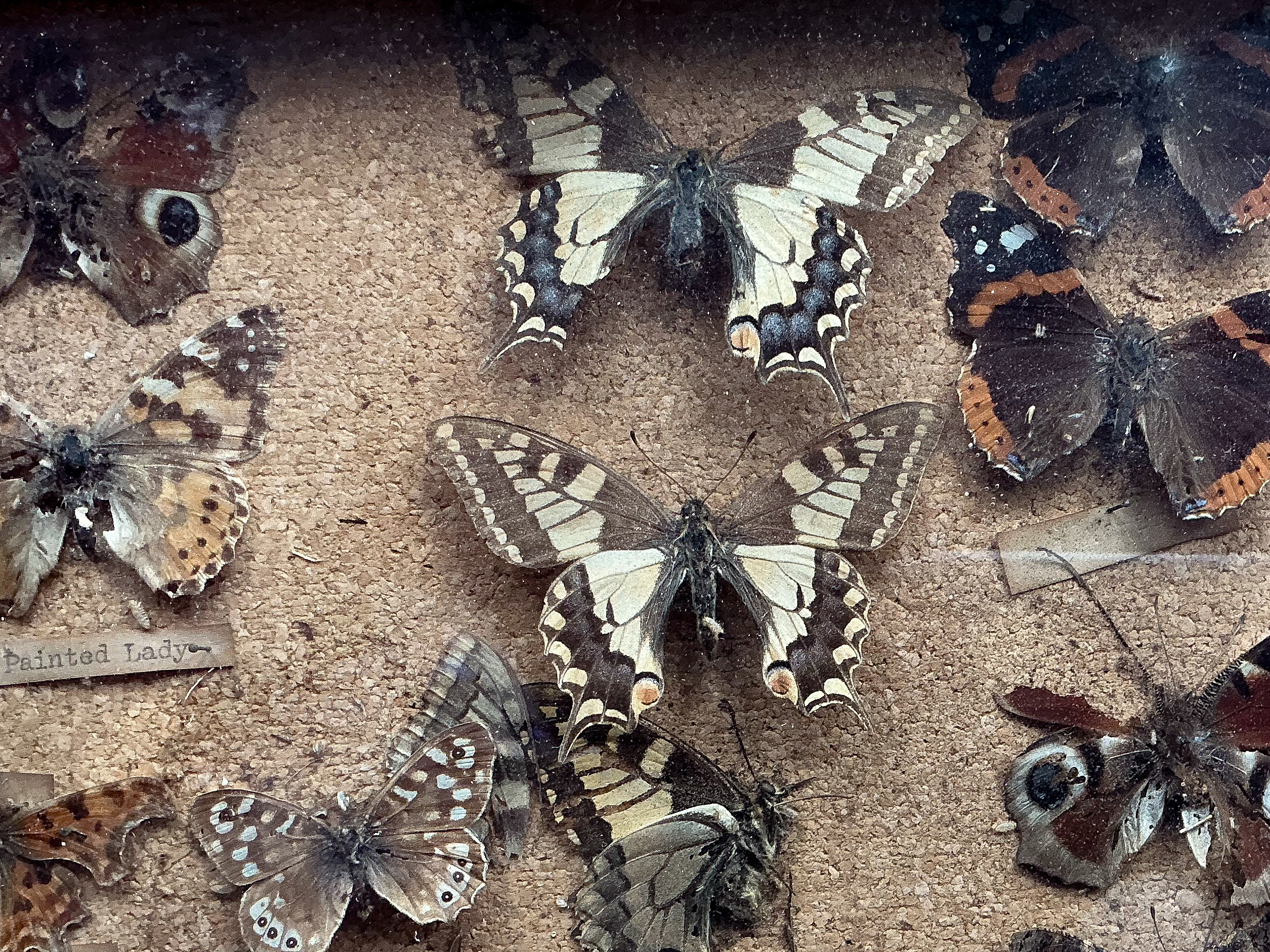
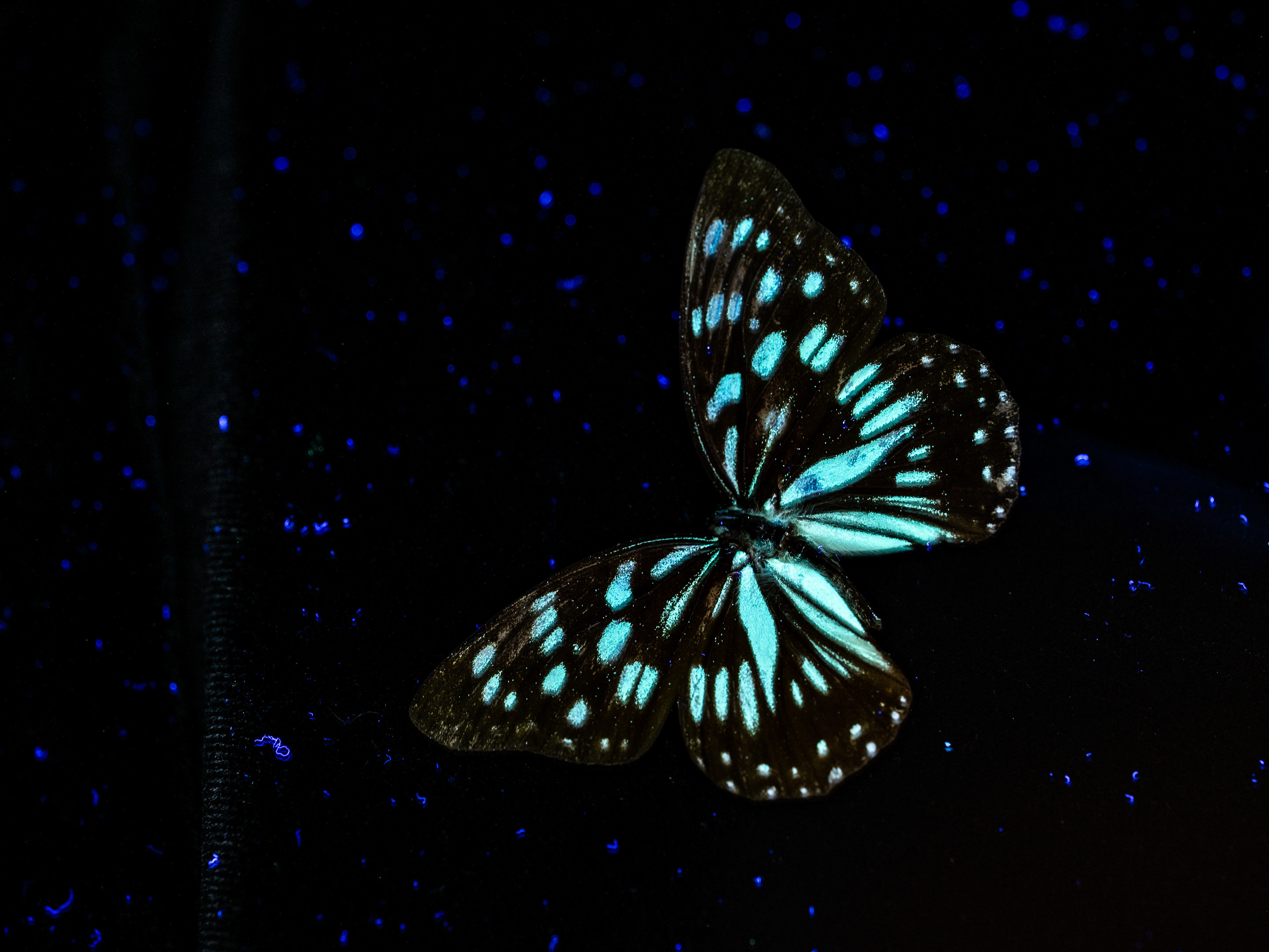
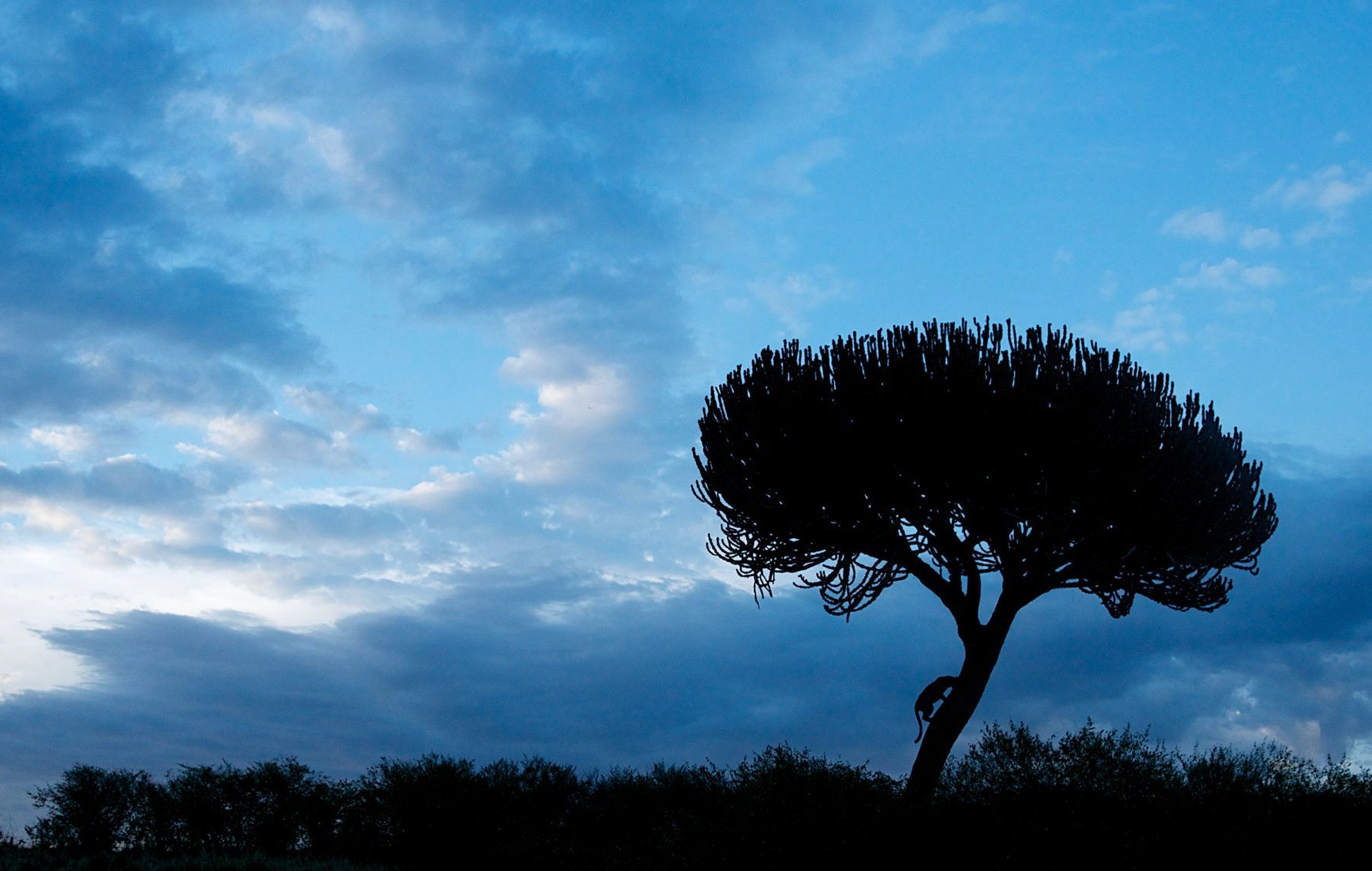
Raggett’s project, Ten Years of Remembering Wildlife, uses powerful imagery: in each photograph, animals are deliberately removed (photoshopped out) to illustrate what a world without them might look like. The Guardian+1
She has raised about £1.2 million over the past decade through the “Remembering Wildlife” series to fund conservation efforts. The Guardian
Raggett expresses frustration that progress on environmental protection has stalled and in some places reversed — losses of momentum in climate and nature policies. The Guardian
The article highlights how in the UK there is concern about the government’s accelerated house-building plans (1.5 million homes targeted) and how they may harm remaining countryside and natural habitats. Raggett calls for a “massive pause” on such development until nature is better protected. The Guardian
Poaching remains a major issue: Raggett recounts how she was inspired by seeing an elephant in Kenya that had been shot with a poisoned arrow and later eaten by hyenas. She emphasises demand-side approaches (such as bans) are vital. The Guardian
She references the recently deceased primatologist Jane Goodall as a major inspiration. The Guardian #
Implications & commentary
The message is clear: the degradation of wildlife habitats, combined with poaching, climate change, and development pressures, is pushing many species and ecosystems into precarious territory.
The visual metaphor (removing animals from photos) is particularly striking — it forces us to imagine a landscape that looks ‘normal’ superficially, but is biologically hollow.
Raggett connects global issues (wildlife decline, poaching, climate inaction) with domestic policy in the UK (housing/land use) — stressing that nature protection isn’t just “over there”, but also here.
The article suggests that without urgent intervention (policy shift, habitat protection, demand reduction for wildlife products), we may reach a point where landscapes lose the very species that define them.
This is a compelling warning and a call to action. Raggett uses photography not just to document wildlife, but to dramatise what is at stake. The major risk is not only species extinction, but entire ecosystems becoming functionally empty — which could impact everything from biodiversity to climate regulation to human wellbeing.